Science & Discovery
65 sourced historical stories, arranged by subject.
 Science & Discovery
Beads make the process of calculation visible
An abacus represents place values in different columns. Moving its beads records numbers and carrying, allowing addition, subtraction, multiplication, and division to be broken into sequences of operations.
 Science & Discovery
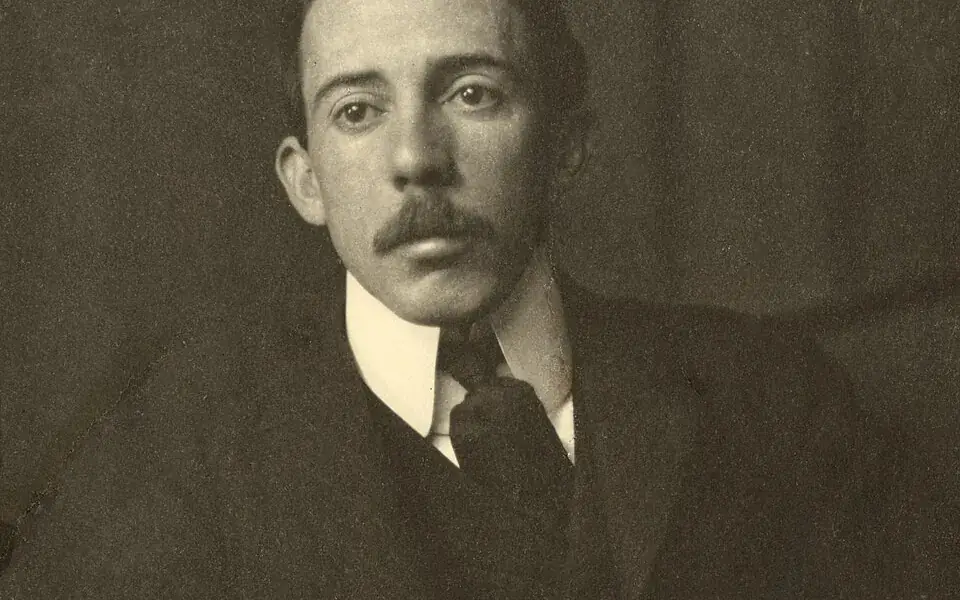
A Brazilian aviator flew above Paris in balloons and early airplanes
Alberto Santos-Dumont experimented with balloons, powered airships, and early airplanes, financing much of his work from a Brazilian family's coffee fortune. His public flights around Paris made aviation a spectacle and helped establish recorded achievements in the transition from lighter-than-air craft to airplanes.
 Science & Discovery
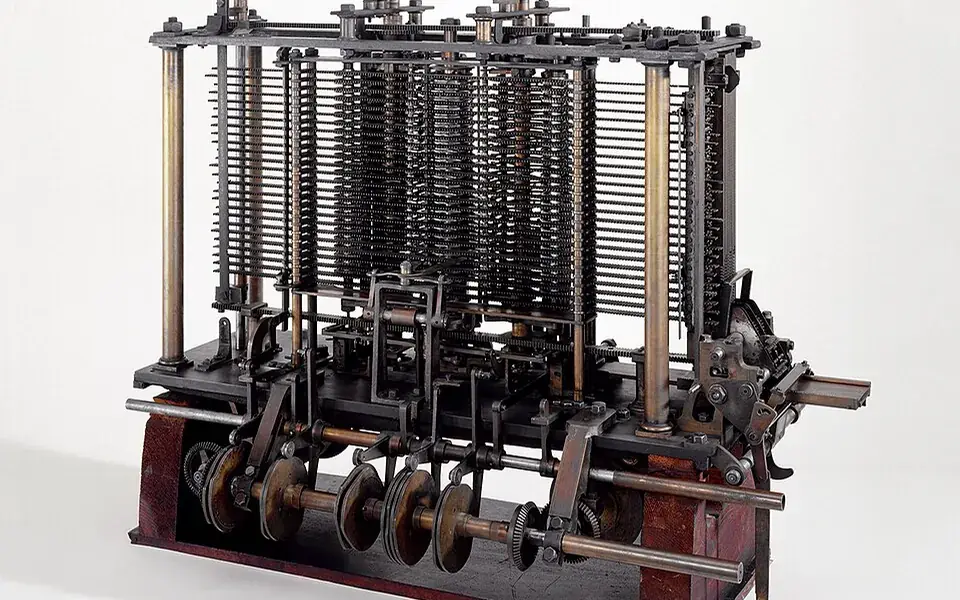
Babbage's proposed computer had memory and processing sections
Charles Babbage's Analytical Engine was a mechanical computing device. Its design included a section for storing numbers, another for performing calculations, and punched cards for entering instructions.
 Science & Discovery
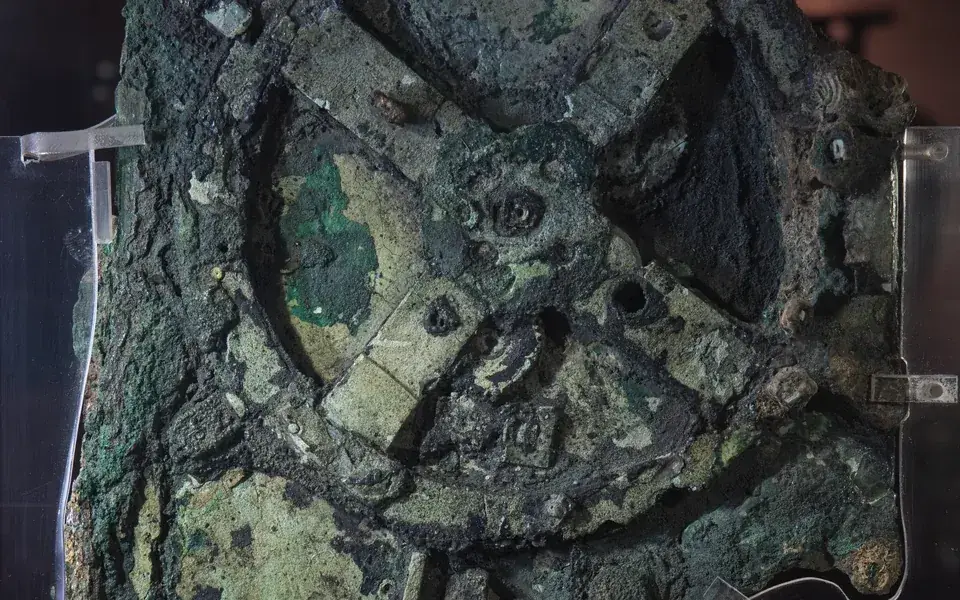
A shipwreck concealed an ancient machine for predicting the heavens
The Antikythera mechanism is an ancient Greek hand-powered orrery (model of the Solar System) built in the 2nd century BC and discovered in 1901. It is the oldest known example of an analogue computer. It could be used to predict astronomical positions and eclipses decades in advance.
 Science & Discovery
A Greek mathematician worked out how to measure curved shapes
Archimedes studied geometry, mechanics, and the measurement of curved shapes in ancient Syracuse. His surviving works show sophisticated mathematical arguments, while later writers added famous stories about his inventions. A medieval manuscript recovered in the twentieth century revealed further evidence of how he approached mathematical problems.
 Science & Discovery
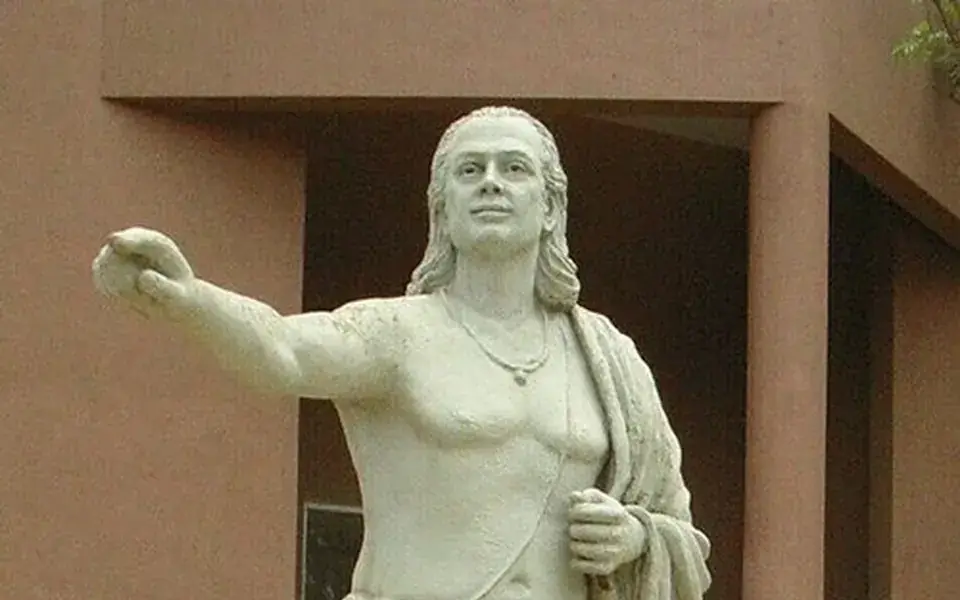
An Indian astronomer explained the sky with mathematics
Aryabhata presented mathematical and astronomical knowledge in a compact Sanskrit work. He discussed calculation, the apparent movement of the heavens, and natural explanations for eclipses. His ideas traveled through commentary and translation, making later interpretation part of the history of his scientific achievements.
 Science & Discovery
A wire across a continent shortened Australia's wait for news
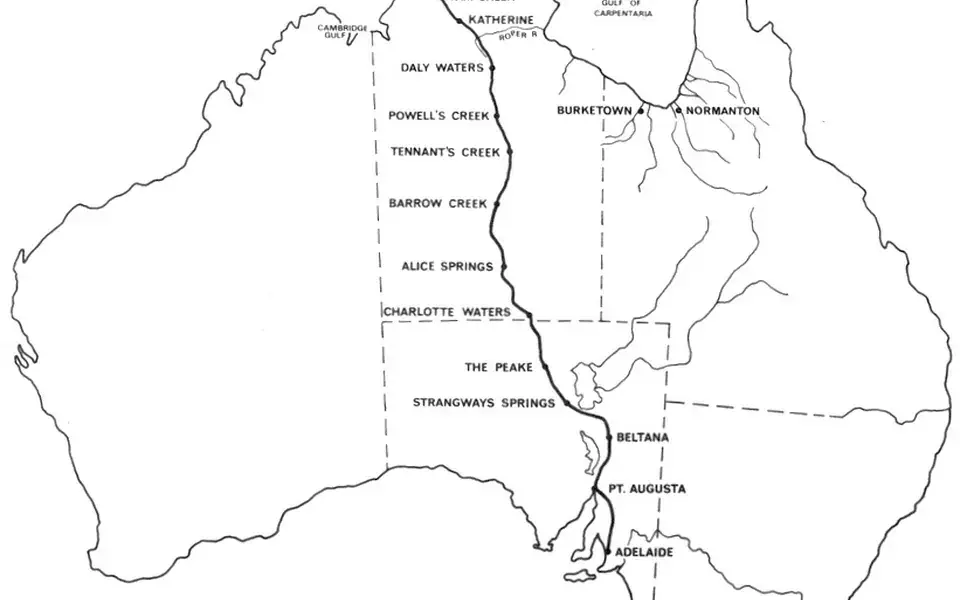
Australia's Overland Telegraph Line connected Adelaide and Darwin across a difficult continental route. Completed in 1872, it linked with overseas cables and transformed the speed of communication. Construction and operation depended on surveying, material supply, repeater stations, and the work of people in isolated locations.
 Science & Discovery
A ballpoint pen's tiny ball rolls and delivers ink
A ballpoint pen has a small rotating ball at its tip. As it moves, the ball carries ink onto the paper while helping seal the ink reservoir, producing a continuous line.
 Science & Discovery
Early bicycles had no pedals
The Drais-style two-wheeler of the early 19th century was propelled by riders pushing their feet against the ground. Its two wheels were already arranged in line, but it had no pedals.
 Science & Discovery
An astronomer's comet discoveries earned her a royal salary
Caroline Herschel began working alongside her brother William in Britain and developed her own astronomical achievements. She discovered comets, recorded observations, and corrected star catalogues. A royal salary recognized her work as an assistant, while her discoveries established a reputation extending beyond that supporting role.
 Science & Discovery
The first discovered asteroid later became a dwarf planet
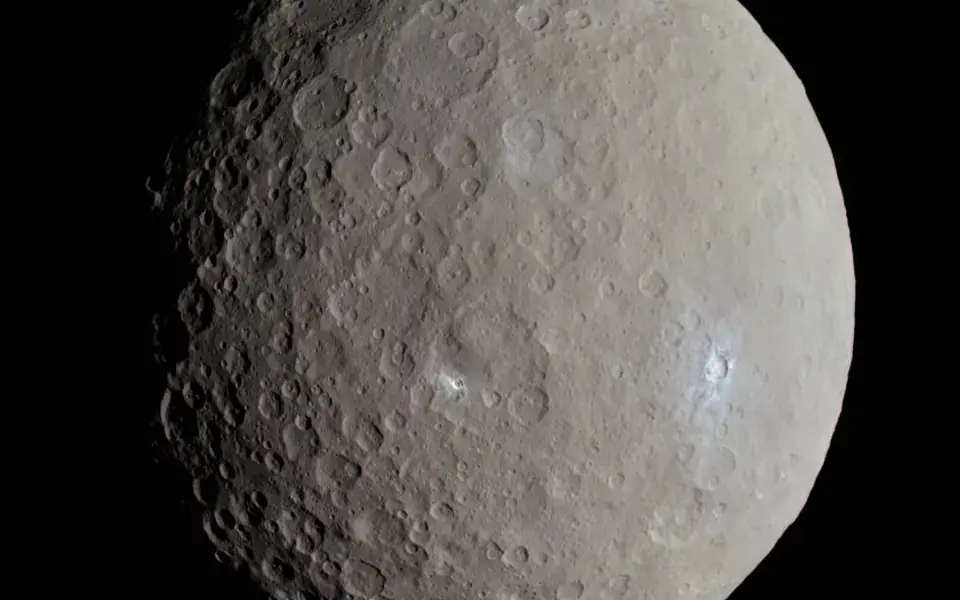
Giuseppe Piazzi discovered Ceres in 1801. Initially considered a planet and later classified as an asteroid, it is now classified internationally as a dwarf planet.
 Science & Discovery
Trains carry traffic through the Channel Tunnel
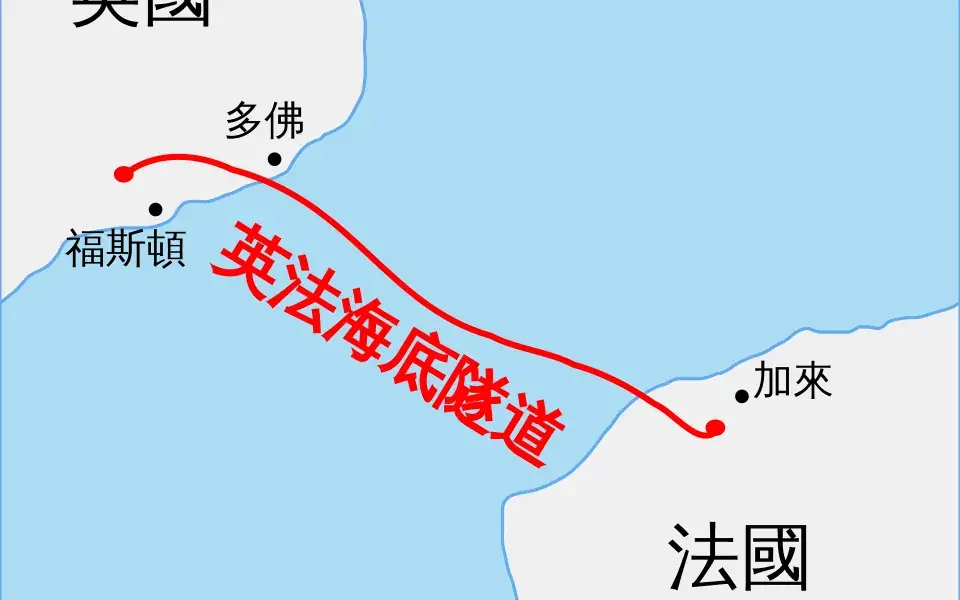
Opened in 1994, the Channel Tunnel connects Britain and France by rail. Trains can carry road vehicles; motorists do not drive directly through the long tunnel.