Small stories. A bigger picture.
Meet the people, inventions and chance encounters behind history. 530 sourced stories, ready to explore. Browse the topic directory
 Everyday Curiosities
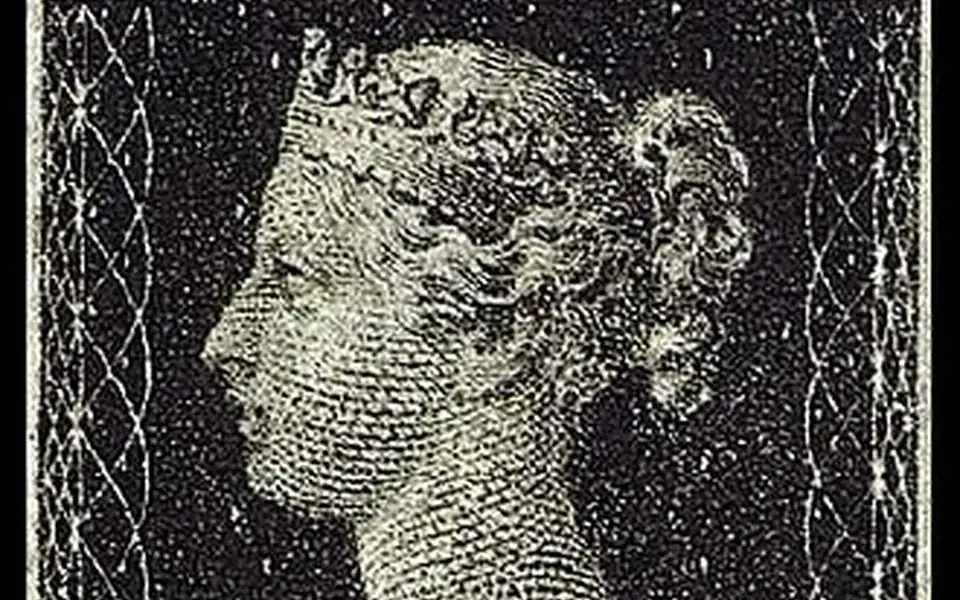
The world's first postage stamp had no country name
Issued in 1840, the Penny Black featured Queen Victoria's profile. It was the world's first adhesive postage stamp available for public use and had a face value of one penny.
 Everyday Curiosities
The postcard began as a plain piece of card
Austria issued postal cards in 1869, allowing people to send short messages written directly on a card. These early cards did not feature scenic photographs.
 Science & Discovery
Early bicycles had no pedals
The Drais-style two-wheeler of the early 19th century was propelled by riders pushing their feet against the ground. Its two wheels were already arranged in line, but it had no pedals.
 Science & Discovery
Watt's key steam-engine improvement was a separate condenser
James Watt was not the first inventor of the steam engine. One of his major improvements was condensing steam in a separate chamber, reducing the repeated heating and cooling of the cylinder.
 Science & Discovery
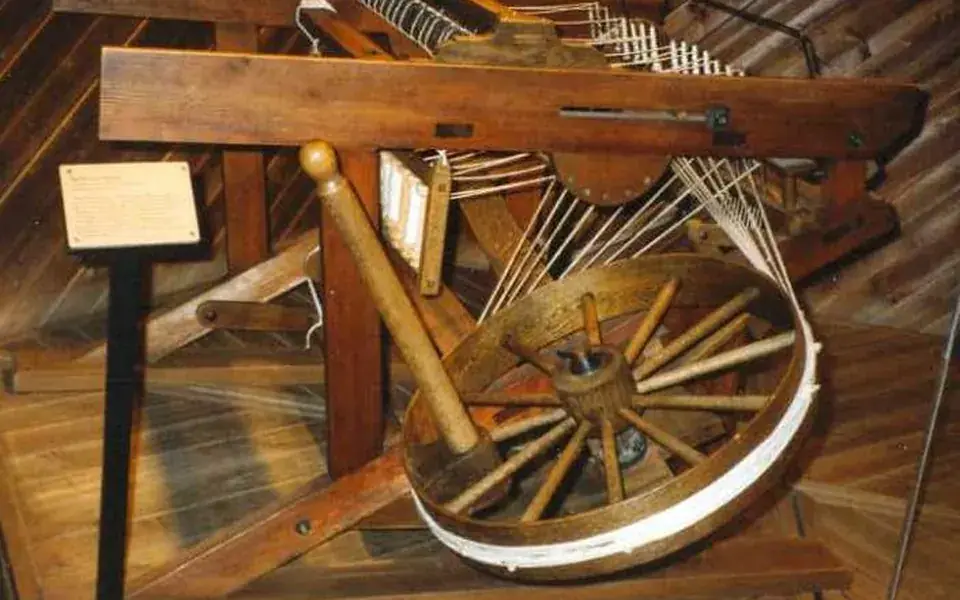
One spinning machine could operate several spindles at once
James Hargreaves's spinning jenny allowed one worker to operate several spindles simultaneously, changing the single-spindle approach of hand spinning.
 Science & Discovery
The flying shuttle mechanized the throw across a loom
John Kay patented the flying shuttle in 1733. Pulling cords moved the shuttle between the ends of the loom, replacing the need to pass it through the warp by hand each time.
 Science & Discovery
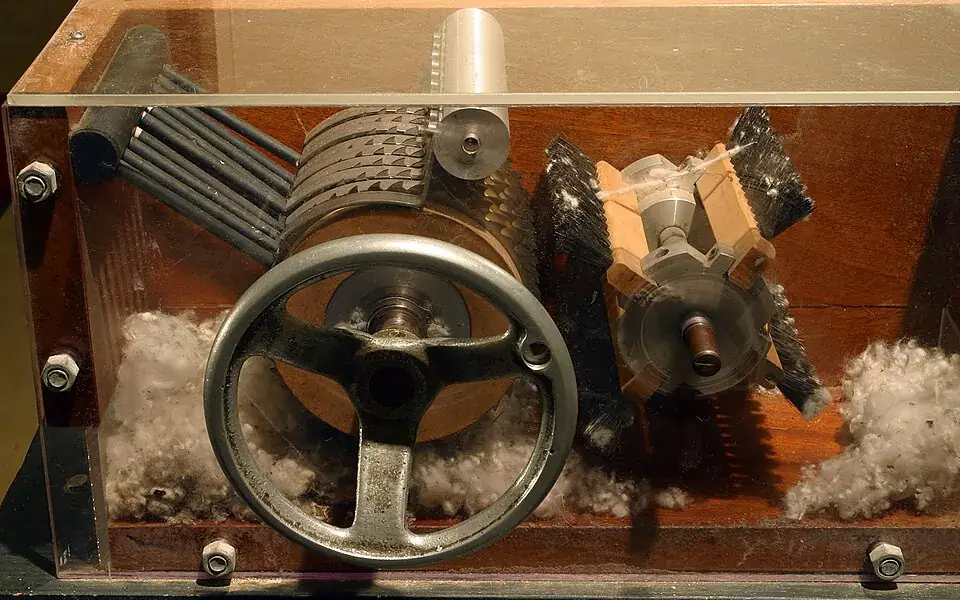
The cotton gin removed seeds from cotton
Eli Whitney's cotton gin mechanically separated cotton fibers from seeds. It processed raw cotton rather than turning cotton directly into cloth.
 Science & Discovery
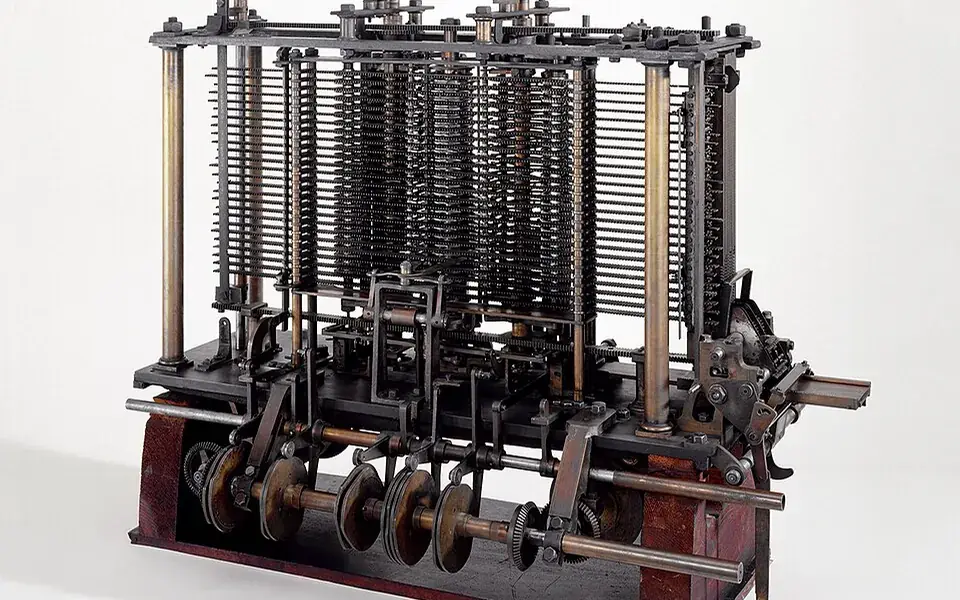
Babbage's proposed computer had memory and processing sections
Charles Babbage's Analytical Engine was a mechanical computing device. Its design included a section for storing numbers, another for performing calculations, and punched cards for entering instructions.
 Historical Figures
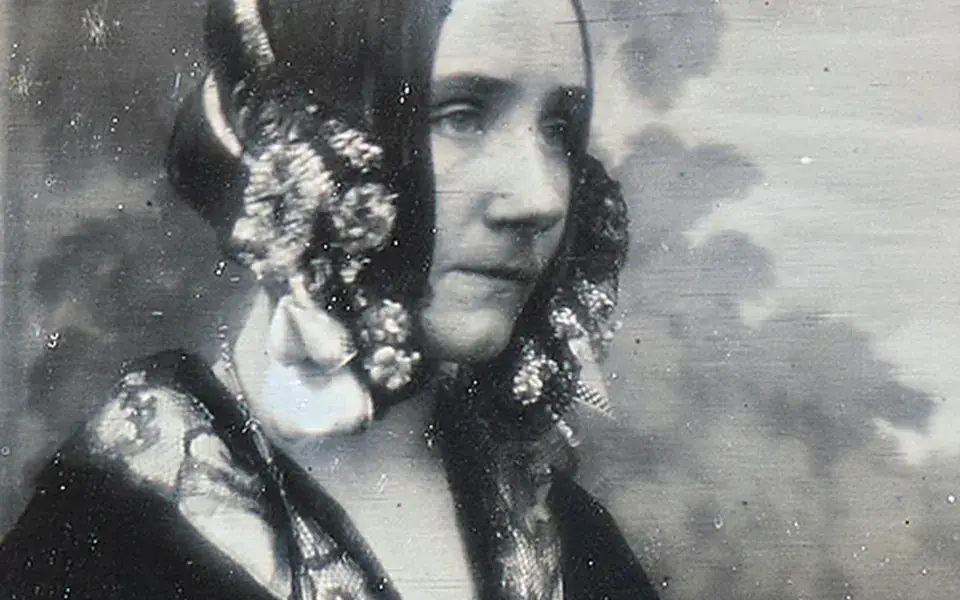
She saw that a computing machine could do more than arithmetic
In her notes accompanying a translation about the Analytical Engine, Ada Lovelace discussed computational procedures. She also proposed that a machine able to handle symbolic relationships might work with things beyond numbers.
 Science & Discovery
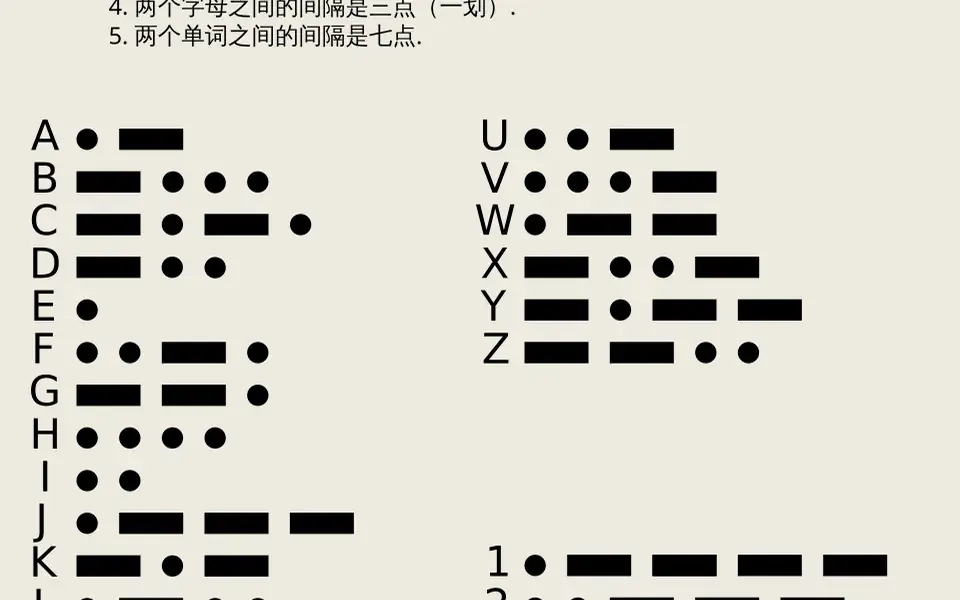
Dots and dashes sent words along wires
Morse code represents characters through signals of different lengths and pauses, allowing text to travel by telegraph. Samuel Morse, Alfred Vail, and others contributed to its development.
 Science & Discovery
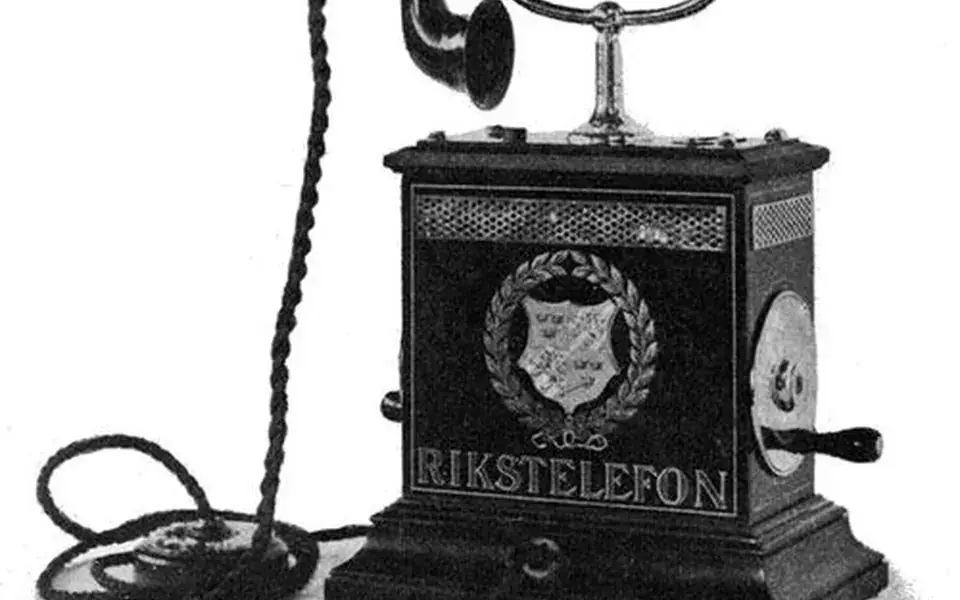
The telephone turned voices into signals that could travel
Telephone research in the 19th century sought to transmit the human voice through electrical signals. Alexander Graham Bell received a related patent in 1876, and telephones gradually developed into communication networks.
 Science & Discovery
Early sound recordings were inscribed on a rotating cylinder
Thomas Edison demonstrated the phonograph in 1877. In the early device, a vibrating stylus marked a cylinder wrapped in tinfoil, and those marks could then be reproduced as sound.
Every small story is a window into another time.
KEEP READING. KEEP WONDERING.