Science & Discovery
65 sourced historical stories, arranged by subject.
 Science & Discovery
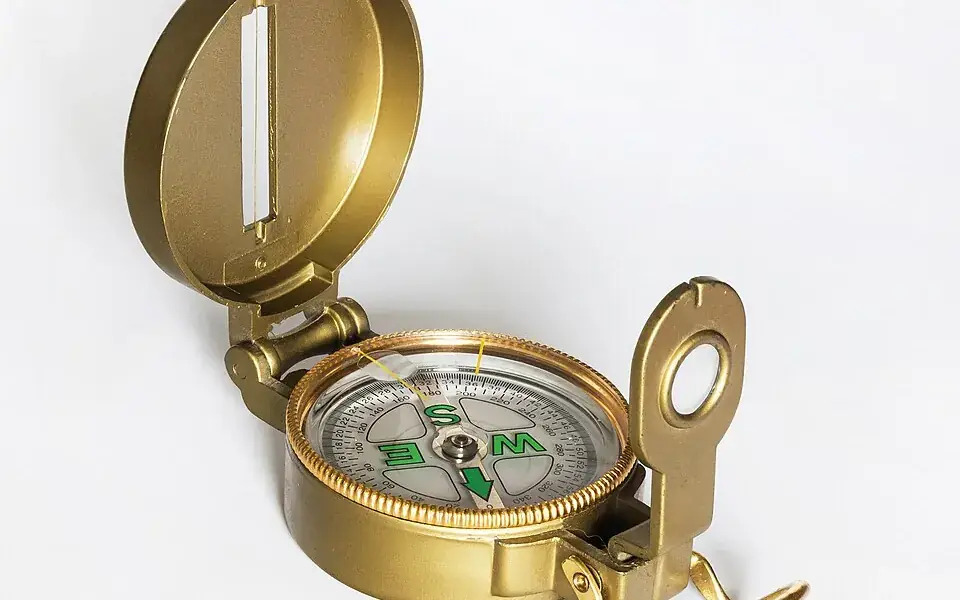
The compass guided orientation before guiding ships
Magnetic materials point in particular directions, a property used to make orientation tools. Once employed at sea, the compass helped navigators find their bearings when land was out of sight.
 Science & Discovery
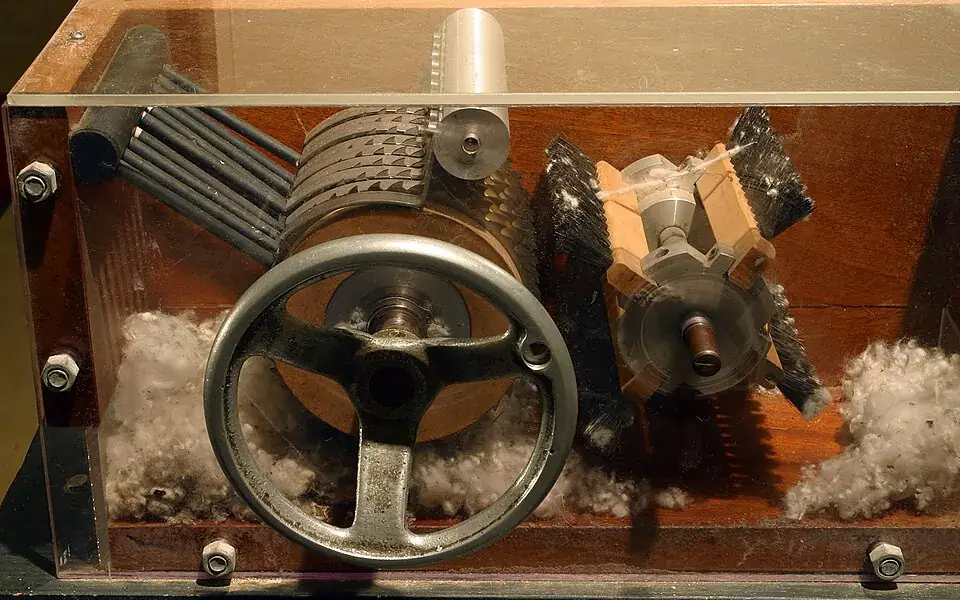
The cotton gin removed seeds from cotton
Eli Whitney's cotton gin mechanically separated cotton fibers from seeds. It processed raw cotton rather than turning cotton directly into cloth.
 Science & Discovery
A scholar translated Newton while debating the nature of energy
Émilie du Châtelet pursued advanced mathematics and physics in eighteenth-century France. She translated and commented on Newton’s Principia and examined debates about motion and energy. Her education, collaboration, and published work show how a woman could participate in Enlightenment science despite restrictions on formal institutions.
 Science & Discovery
A mathematician connected symmetry with conservation laws
Amalie Emmy Noether (23 March 1882 – 14 April 1935) was a German mathematician who made many important contributions to abstract algebra and mathematical physics. As one of the leading mathematicians of her time, she developed theories of rings, fields, and algebras.
 Science & Discovery
The flying shuttle mechanized the throw across a loom
John Kay patented the flying shuttle in 1733. Pulling cords moved the shuttle between the ends of the loom, replacing the need to pass it through the warp by hand each time.
 Science & Discovery
A surgeon helped turn a pancreatic extract into a diabetes treatment
Frederick Banting helped develop insulin treatment through research at the University of Toronto alongside Charles Best, John Macleod, and other collaborators. The breakthrough transformed diabetes care, while Banting's wider career included military medicine, aviation research, and painting rather than a single laboratory achievement.
 Science & Discovery
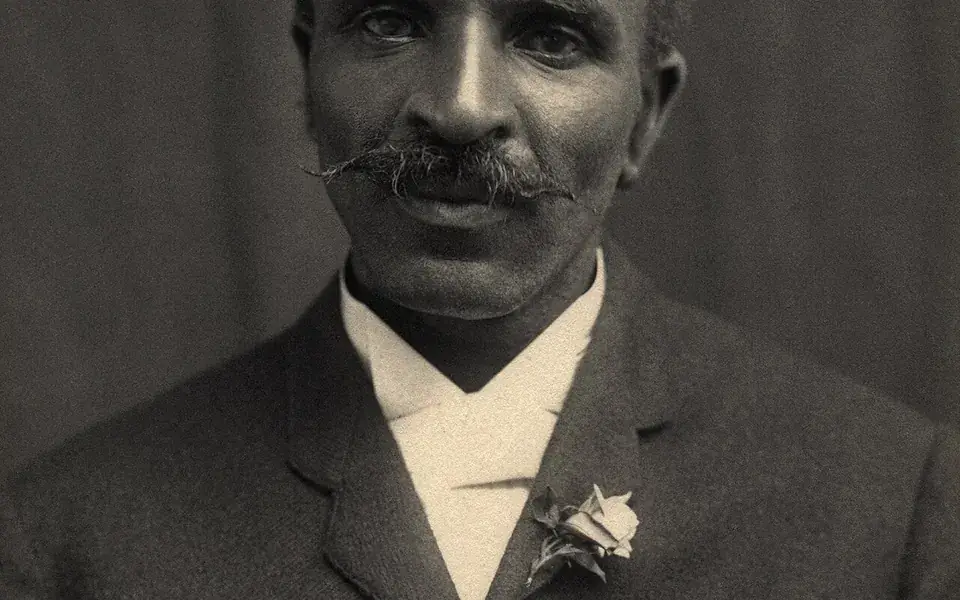
An agricultural teacher helped farmers look beyond cotton
George Washington Carver was an American agricultural scientist and inventor who promoted alternative crops to cotton and methods to prevent soil depletion. He was one of the most prominent Black scientists of the early 20th century.
 Science & Discovery
Glass can solidify without forming crystals
Glass is generally an amorphous material formed as a melt cools. Ancient people already made glass vessels and ornaments, and later generations continued to improve ingredients and techniques.
 Science & Discovery
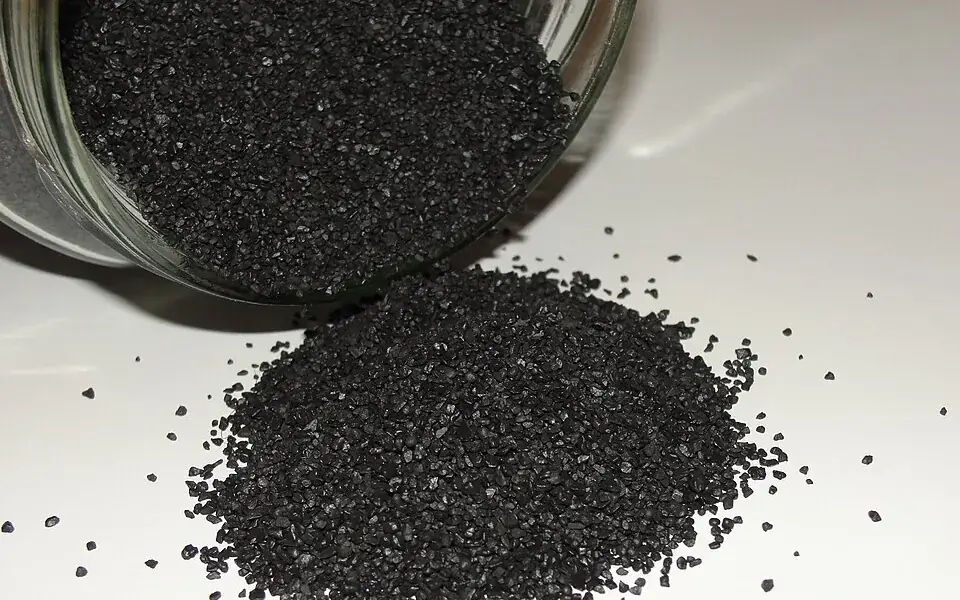
Alchemy was connected with the early development of gunpowder
Ancient Chinese alchemists experimented with mixtures of substances. Their records gradually included formulas containing saltpeter, sulfur, and charcoal, practices connected with the formation of gunpowder.
 Science & Discovery
A predicted return gave a comet its name
After comparing records of earlier comet sightings, Edmond Halley concluded that several appearances belonged to the same object. He predicted its return, and its later reappearance confirmed his prediction.
 Science & Discovery
The earliest crewed balloon flights used hot air
The Montgolfier brothers used hot air to make a balloon rise. In 1783, early untethered crewed hot-air balloon flights in France opened a new chapter in aviation history.
 Science & Discovery
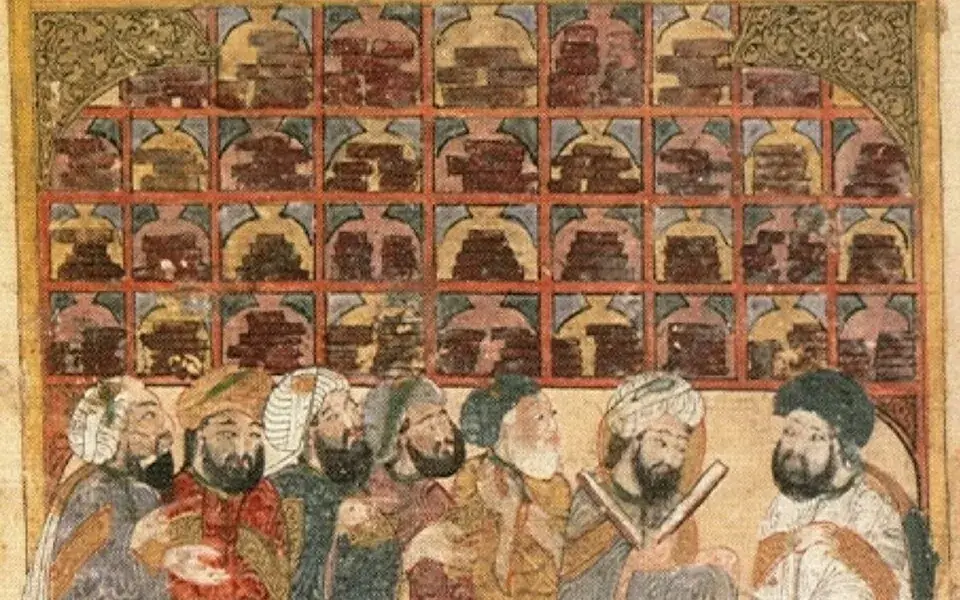
Baghdad became a meeting place for translated knowledge
Abbasid Baghdad supported translation, scholarship, and scientific work associated with the House of Wisdom. Texts from Greek, Persian, and Indian traditions entered Arabic intellectual life. Historians debate the institution's precise organization, making it important to distinguish the documented translation movement from later accounts of a single academy.