Historical Events
72 sourced historical stories, arranged by subject.
 Historical Events
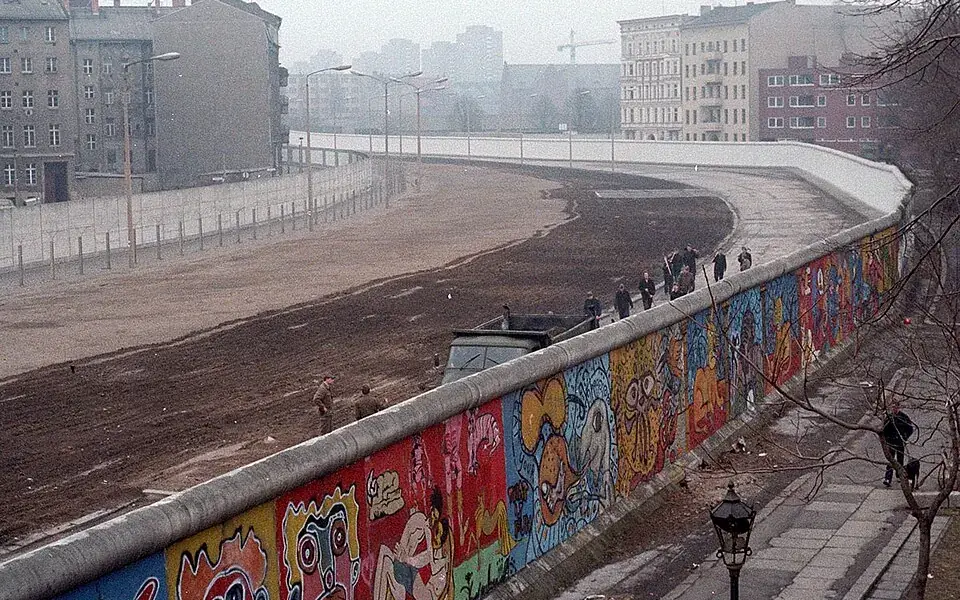
The Berlin Wall divided a city and transformed daily life
Built in 1961, the Berlin Wall divided the city and restricted movement, profoundly affecting families, work, and transport. The opening of the border in 1989 became a symbol of a turning point in the Cold War. Dismantling the wall and German reunification followed through further stages, rather than occurring in a single instant.
 Historical Events
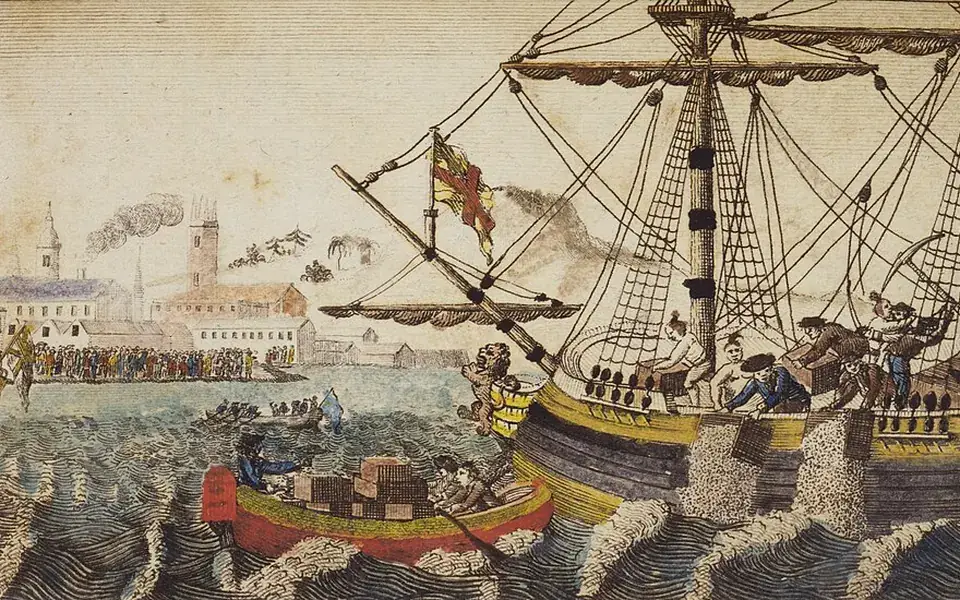
Protesters threw tea into Boston Harbor
In 1773, protesters in Boston boarded ships carrying tea and dumped it into the harbor to oppose taxation and trade policies. The action became a major event in the colonial crisis.
 Historical Events
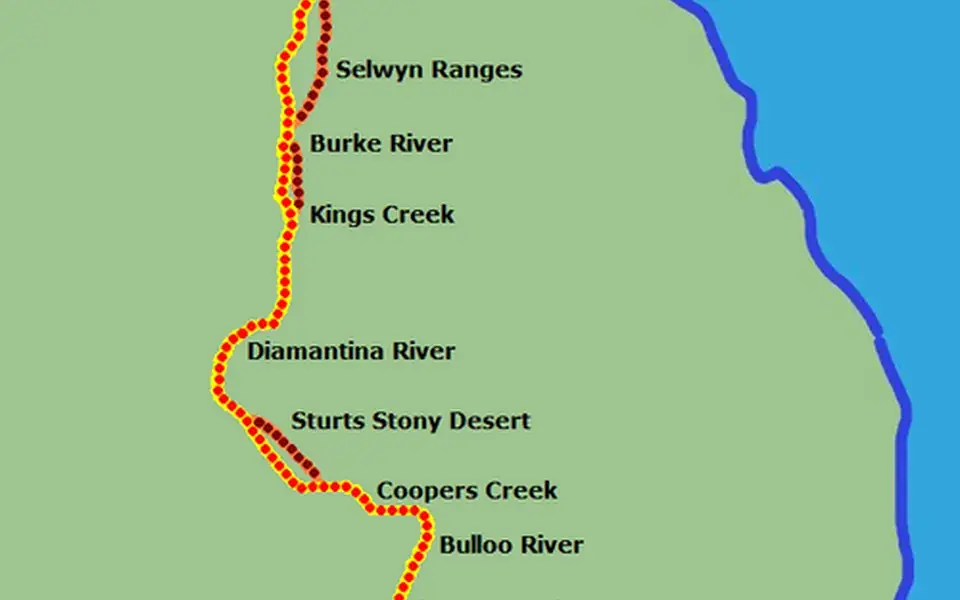
A race across Australia ended in a costly misunderstanding
Burke and Wills led an ambitious expedition across Australia in 1860–1861. Delays, supply decisions, and a narrowly missed rendezvous at Cooper Creek contributed to disaster. The journey's history also shows the importance of Aboriginal assistance and the limits of the expedition's understanding of local survival.
 Historical Events
A treaty sustained long relations between Song and Liao
The Chanyuan Treaty emerged from warfare between Song and Liao, setting terms for their relationship and annual payments, and opening a long period of relative peace. Peace did not remove every friction, but diplomatic missions and border trade continued. The treaty needs to be understood through military, financial, and diplomatic arrangements together.
 Historical Events
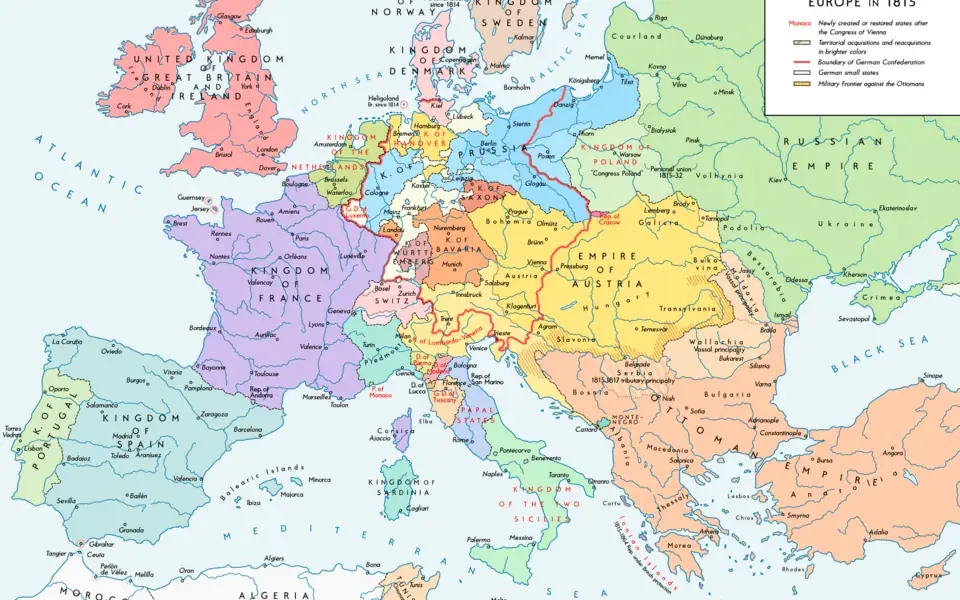
After the Napoleonic Wars, the powers reshaped Europe's order
The Congress of Vienna considered postwar territorial and political arrangements. Major powers negotiated changes to borders and dynastic rule in hopes of establishing a more stable balance of power.
 Historical Events
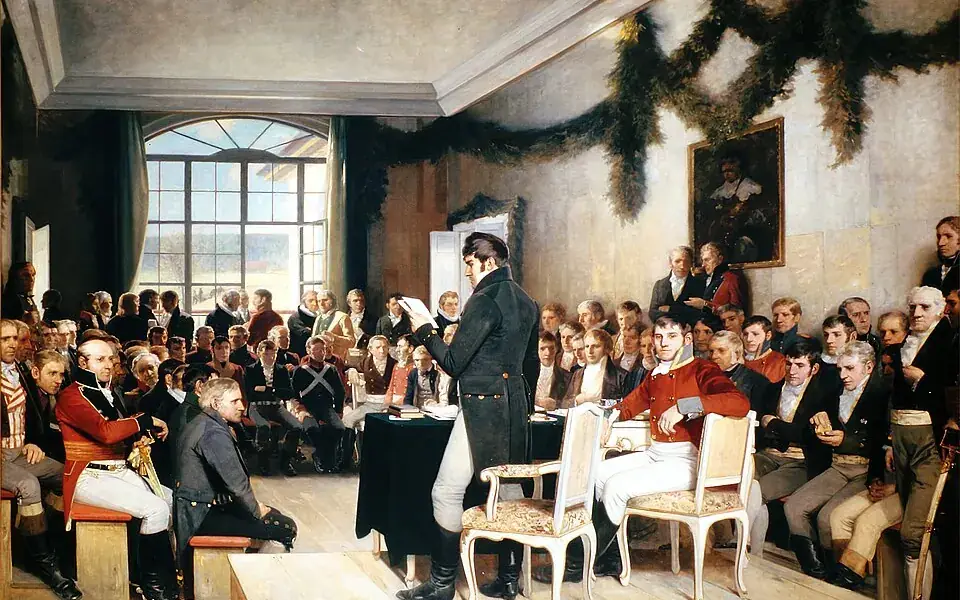
Norway's 1814 constitution emerged during a national turning point
Norway adopted a constitution amid the political changes of 1814, addressing sovereignty, representation, and the arrangement of power. It remained important even after Norway entered a union with Sweden.
 Historical Events
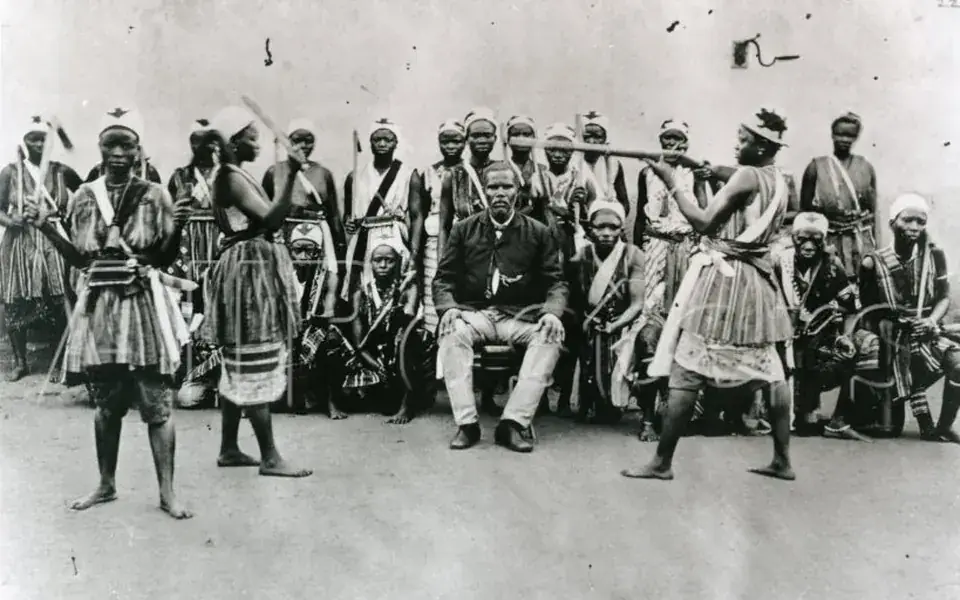
Women formed an elite regiment in the kingdom of Dahomey
Dahomey's female soldiers formed a regiment recruited and trained for the kingdom's military needs. Their service involved warfare, court politics, and strict discipline, within a state tied to enslavement and regional conflict. Encounters with French colonial forces became part of the regiment's final history.
 Historical Events
Throwing officials from a window helped ignite a European war
Though already existing in Middle French, the word defenestrate is believed to have first been used in English in reference to the episodes in Prague in 1618 when the disgruntled Protestant estates threw two royal governors and their secretary out of a window of the Hradčany Castle and wrote an extensive apologia explaining their action.
 Historical Events
A wrongful conviction exposed prejudice and political conflict
French officer Alfred Dreyfus was convicted of espionage. Later challenges to the evidence and procedures brought antisemitic prejudice, military authority, and public opinion into fierce conflict.
 Historical Events
A rebellion in Dublin lasted a week and changed Irish politics
The Easter Rising (Éirí Amach na Cásca), also known as the Easter Rebellion, was an armed insurrection in Ireland during Easter Week in April 1916. The Rising was launched by Irish republicans against British rule in Ireland with the aim of establishing an independent Irish Republic while the United Kingdom was fighting the First World War.
 Historical Events
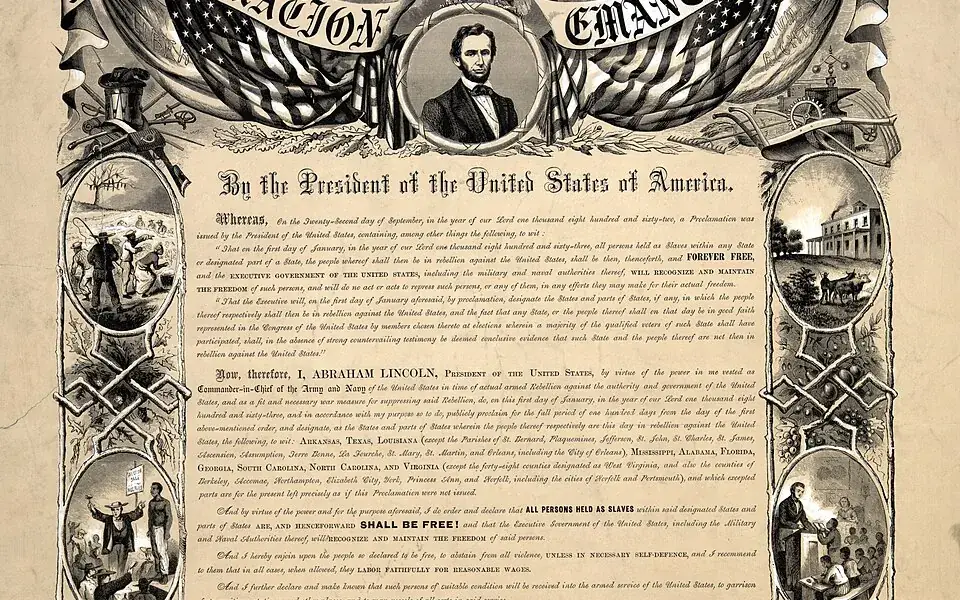
The Emancipation Proclamation did not immediately apply everywhere
Lincoln's Emancipation Proclamation took effect in 1863, chiefly applying to territories in rebellion and expressly exempting some areas under Union control.
 Historical Events
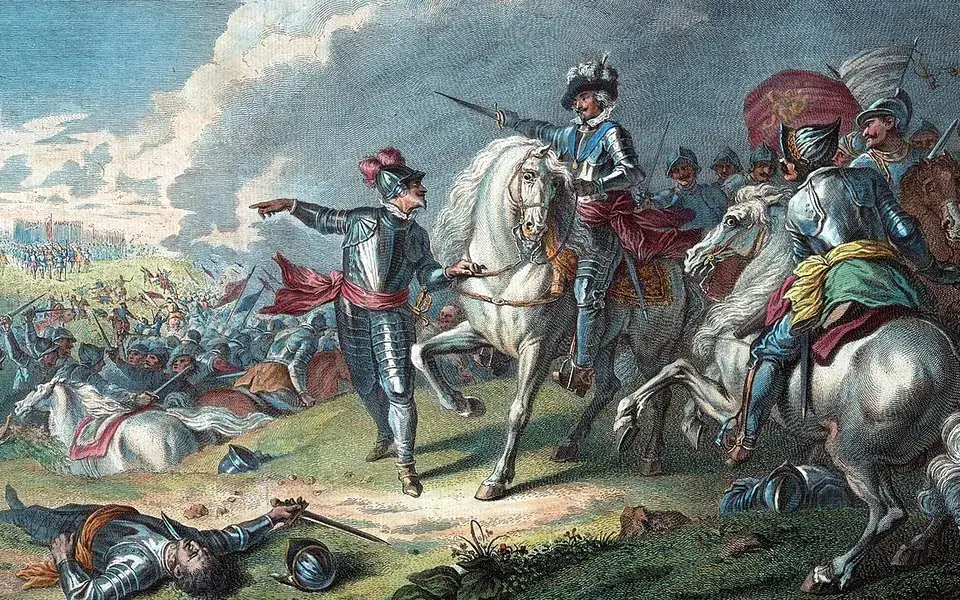
Conflict over royal power divided England into rival armies
The English Civil War or Great Rebellion was a series of civil wars and political machinations between Royalists and Parliamentarians in the Kingdom of England from 1642 to 1651. Part of the wider 1639 to 1653 Wars of the Three Kingdoms, the struggle consisted of the First English Civil War and the Second English Civil War.