Historical Events
72 sourced historical stories, arranged by subject.
 Historical Events
Gold miners raised a flag against colonial authority
The Eureka Rebellion emerged from conflict over mining licenses and political representation on Victoria's goldfields. Miners organized, raised a distinctive flag, and built a stockade before a short battle in 1854. The aftermath connected military suppression with debates about reform and democratic participation.
 Historical Events
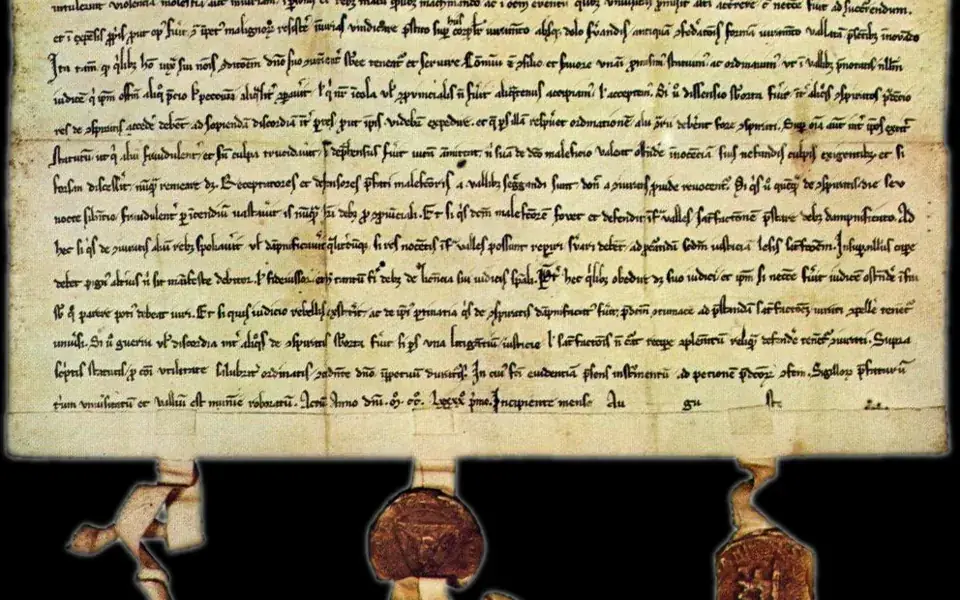
An early alliance charter became a national symbol
The Federal Charter of 1291 recorded cooperation and obligations among Alpine communities. Later generations treated it as an important symbol of the Swiss Confederation's history.
 Historical Events
Eleven ships carried a new colony across the oceans
The First Fleet transported convicts, officials, sailors, and supplies from Britain to Australia in 1787–1788. Its voyage ended with the establishment of a colony at Sydney Cove. Planning, shipboard conditions, and early encounters with Aboriginal people formed part of this consequential colonial arrival.
 Historical Events
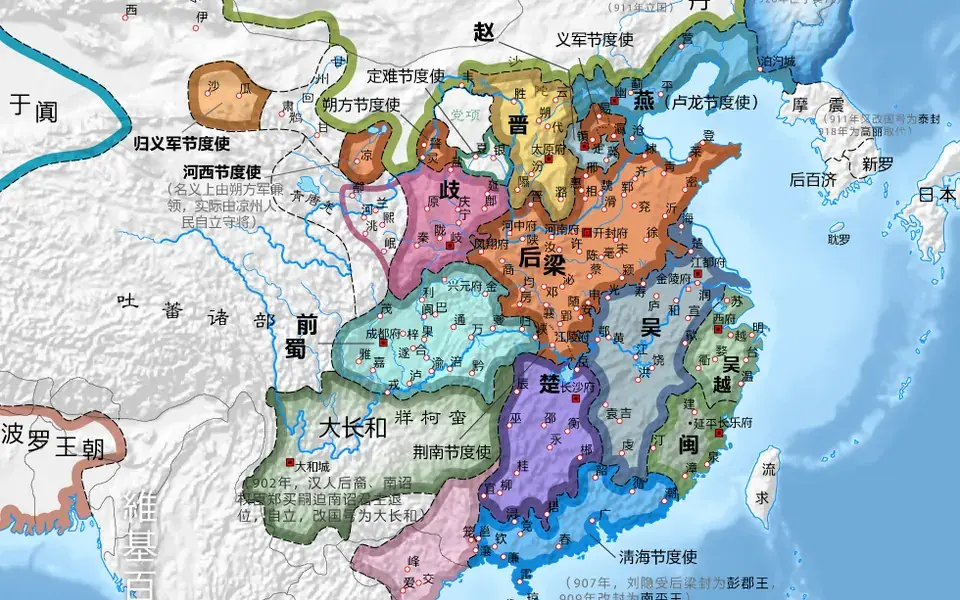
The Five Dynasties and Ten Kingdoms follow different political sequences
During the Five Dynasties and Ten Kingdoms period, major northern regimes succeeded one another while several states existed elsewhere. The dynasties and kingdoms do not all fall along one sequential timeline.
 Historical Events
A brief speech linked the war to political ideals
At the cemetery dedication in Gettysburg, Lincoln delivered a short speech explaining the Civil War through founding principles, sacrifice, and the survival of democratic government. Other speeches were also given that day. Its later influence far exceeded its length, showing how commemoration and education can keep a public text in circulation.
 Historical Events
A foreign invasion helped replace England's monarch
The Glorious Revolution was the deposition of King James II in November 1688. He was replaced by his daughter Mary II and her Dutch husband, James's nephew William III of Orange. The two ruled as joint monarchs of England, Scotland, and Ireland until Mary's death in 1694, when William became ruler in his own right.
 Historical Events
A crop disease became a catastrophe for nineteenth-century Ireland
Potato blight struck Ireland in the 1840s, but the resulting catastrophe also reflected dependence on a single crop, poverty, landholding arrangements, and government decisions. The Great Famine brought mass death and emigration. Relief measures and their limitations remain central to understanding how a crop failure became a disaster.
 Historical Events
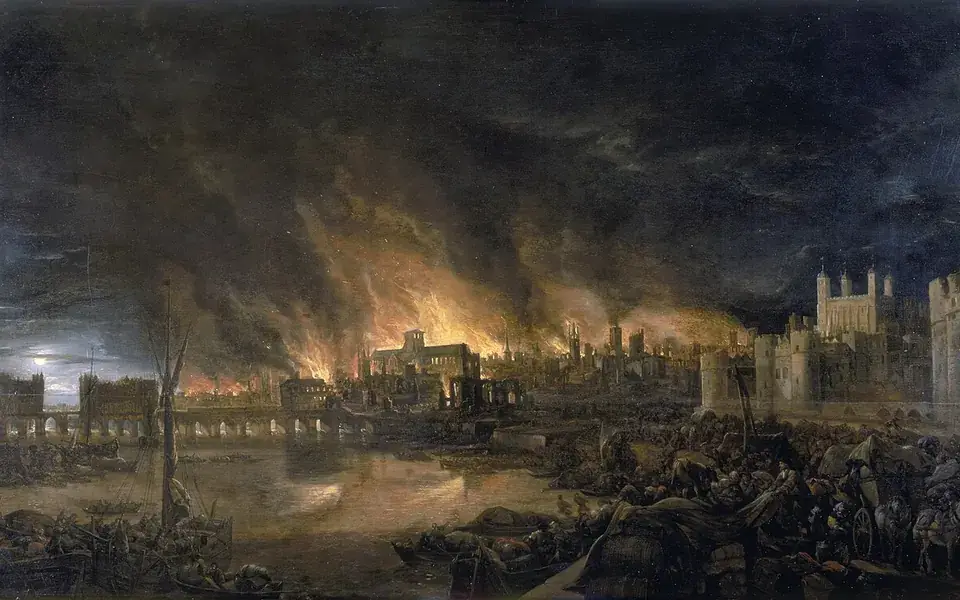
A bakery fire changed the shape of England's capital
The Great Fire of London occurred from Sunday 2 September to Wednesday 5 September 1666, gutting the medieval City of London inside the old Roman city wall, while also extending past the wall to the west.
 Historical Events
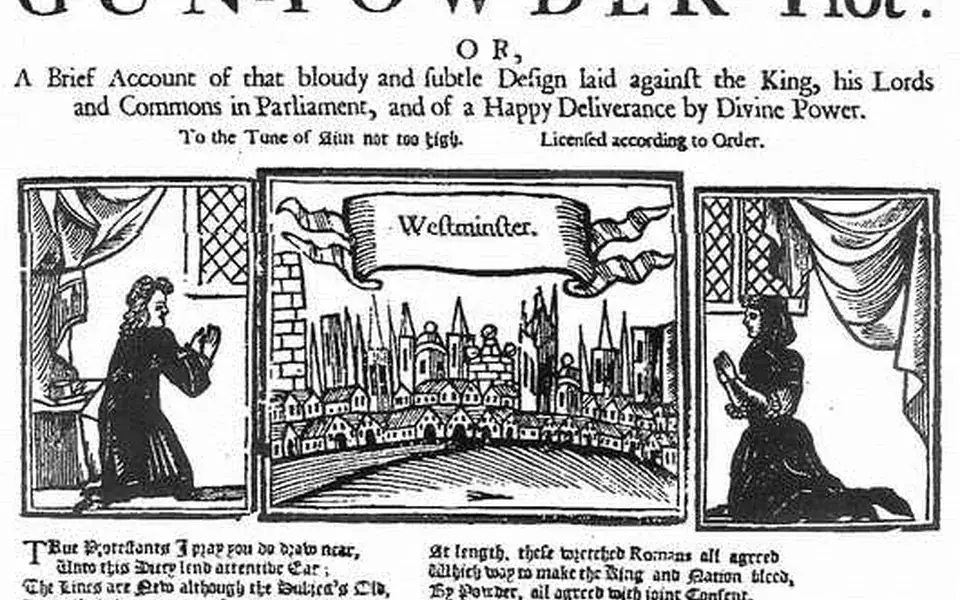
A cellar beneath Parliament became the center of a failed conspiracy
The Gunpowder Plot aimed to destroy England’s Parliament during its opening in 1605. The conspirators acquired access to an undercroft and stored gunpowder beneath the House of Lords. A warning letter prompted searches that discovered Guy Fawkes, turning the planned explosion into a failed conspiracy.
 Historical Events
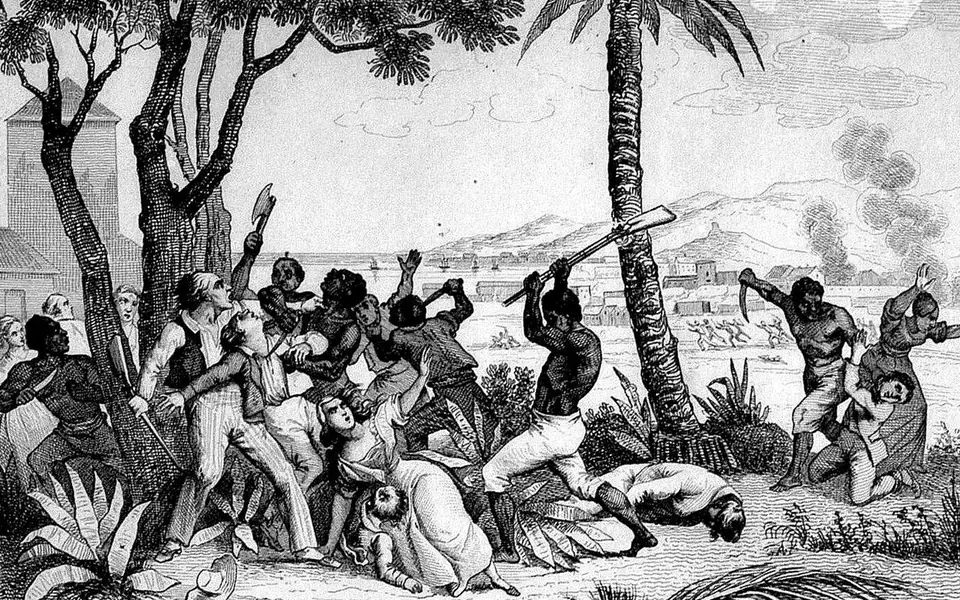
Enslaved people overturned a plantation colony and founded a nation
The Haitian Revolution, also known as the Haitian War of Independence, was a successful insurrection by enslaved Africans against French colonial rule in Saint-Domingue, now the sovereign state of Haiti. The successful revolution was a defining moment in the history of the Atlantic World and the revolution's effects on the institution of slavery were felt throughout the Americas.
 Historical Events
A harbor collision devastated a city in minutes
On the morning of 6 December 1917, the French cargo ship SS Mont-Blanc and the Norwegian vessel SS Imo collided in the harbour of Halifax, Nova Scotia, Canada. Laden with high explosives, Mont-Blanc caught fire and detonated, devastating the Richmond district of Halifax.
 Historical Events
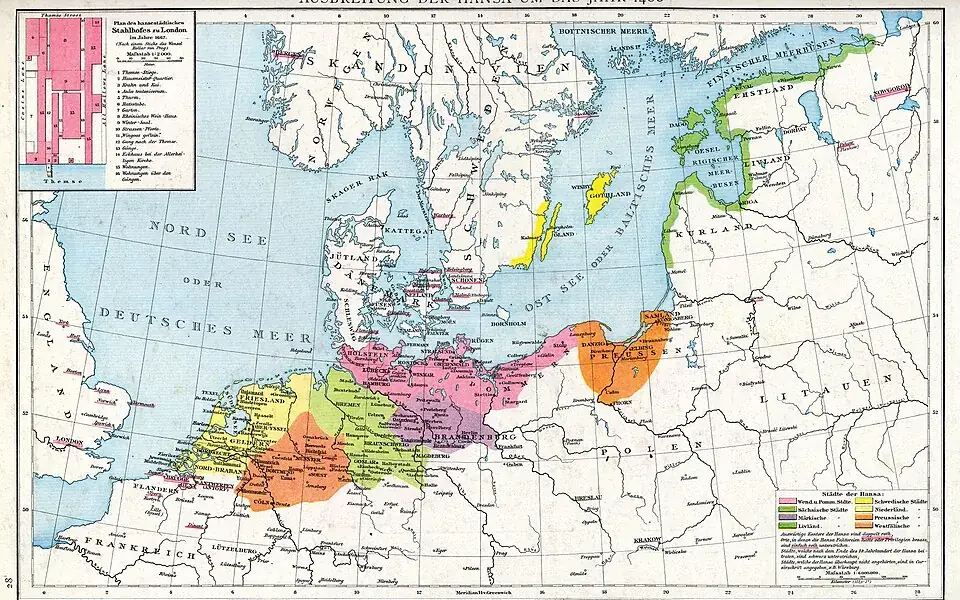
Merchants and towns formed a trading alliance across regions
The Hanseatic League connected merchants and cities across northern Europe and the Baltic, extending its influence by jointly protecting trade, establishing outposts, and coordinating action.