Ancient Civilizations
112 sourced historical stories, arranged by subject.
 Ancient Civilizations
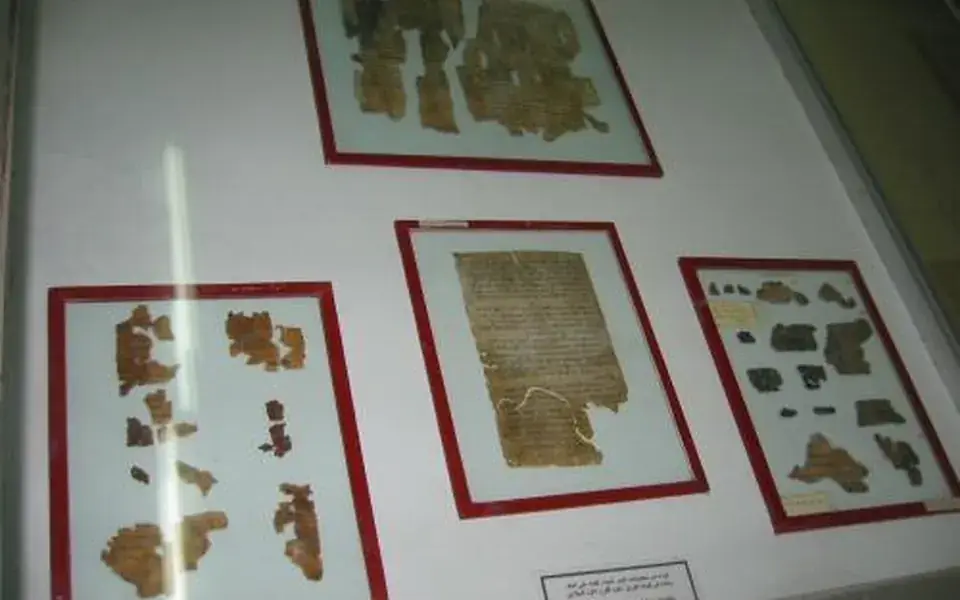
Scrolls in caves preserved ancient texts
The Dead Sea Scrolls are a collection of ancient documents discovered in the 20th century in caves near the Dead Sea. They include religious manuscripts and other texts, rather than a single complete book.
 Ancient Civilizations
Emigrant communities combined architectural influences
The Kaiping diaolou combine residential and defensive functions. Their varied architectural styles are connected with local overseas migration and flows of money. These towers testify to the social networks of emigrant communities. They are not simply copies of foreign buildings, as local needs also shaped their forms.
 Ancient Civilizations
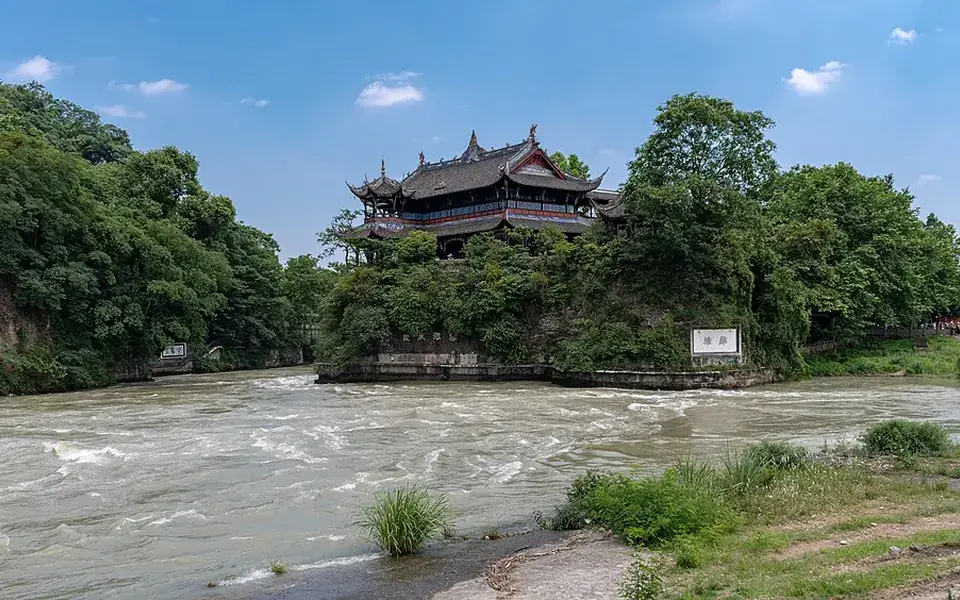
Dujiangyan manages a river by dividing water and removing silt
The Dujiangyan irrigation system uses structures including the Fish Mouth, Flying Sand Weir, and Bottle-Neck Channel to divide flows, discharge sediment, and divert water to irrigate the Chengdu Plain.
 Ancient Civilizations
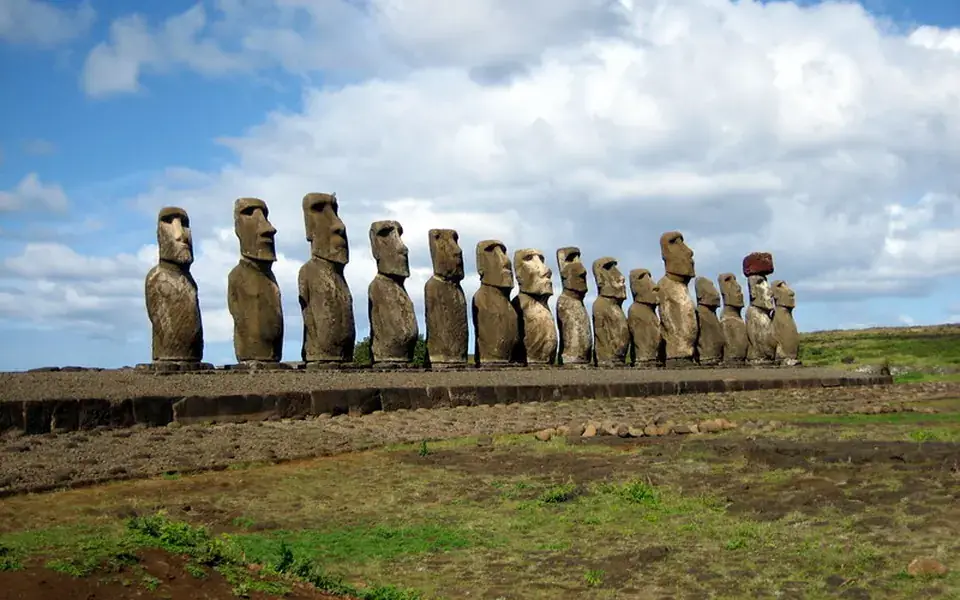
Easter Island's statues often have buried bodies
The moai of Easter Island are generally more than heads: many have torsos. The impression that only heads exist is related to later burial of parts of the statues.
 Ancient Civilizations
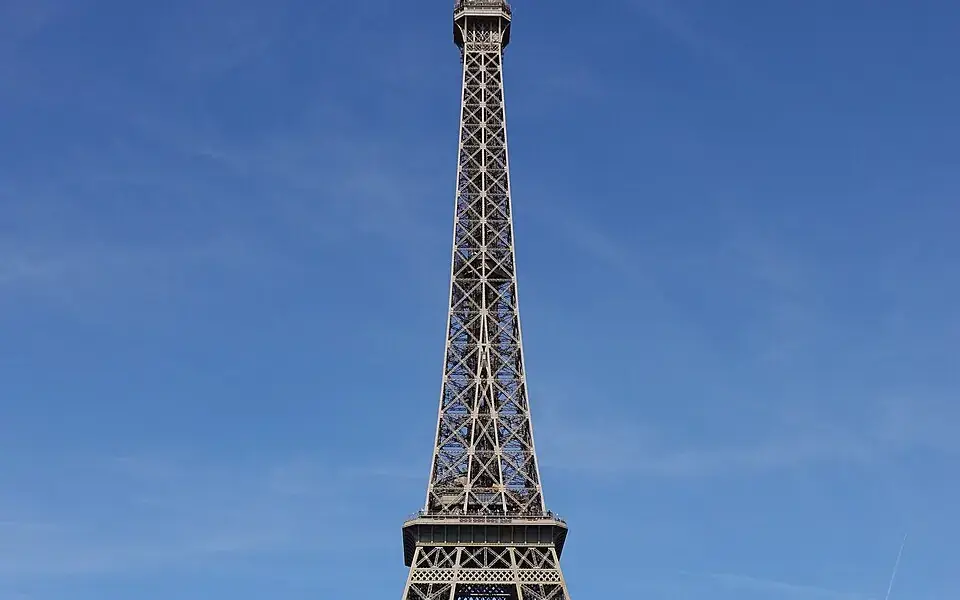
Artists once protested an exposition's iron tower
The Eiffel Tower was built for the 1889 Paris World's Fair. Some writers and artists objected to its iron appearance, but it later became a symbol of the city.
 Ancient Civilizations
Tomb paintings gave an ancient Italian society a vivid afterlife
The Etruscans built a distinctive civilization in ancient Italy before Rome dominated the peninsula. Their tombs, terracotta sculpture, metalwork, and wall paintings preserve evidence of family life, religion, and celebrations. Greek and Roman accounts add information, but also carry outsiders’ assumptions about Etruscan society.
 Ancient Civilizations
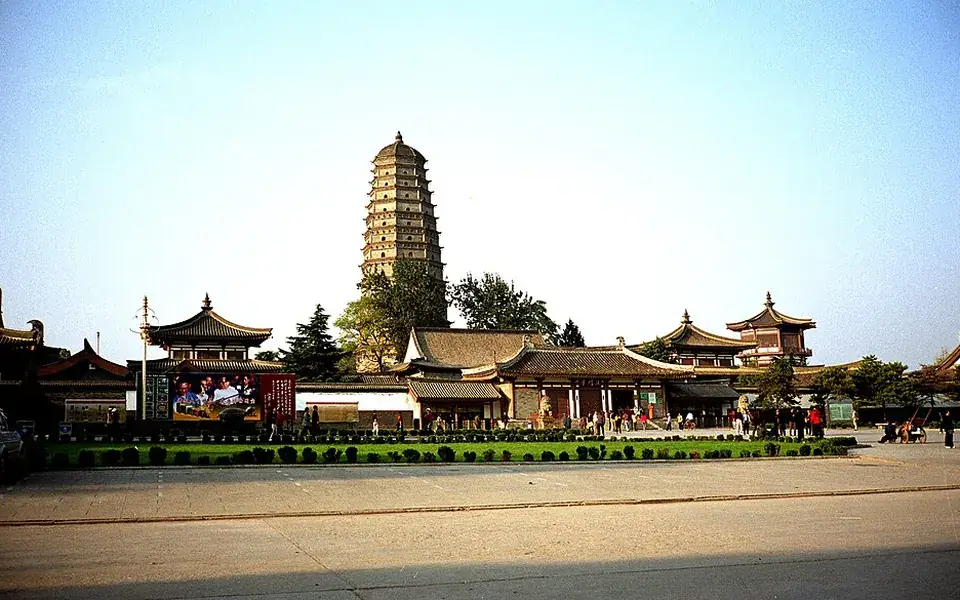
A Tang underground chamber lay beneath a collapsed pagoda
After the pagoda at Famen Temple collapsed, archaeological excavations uncovered an underground chamber and Tang artifacts, including gold and silver objects, ceramics, and textiles. Comparing its documents and objects provides rich evidence for Tang Buddhist offerings, court life, and craftsmanship.
 Ancient Civilizations
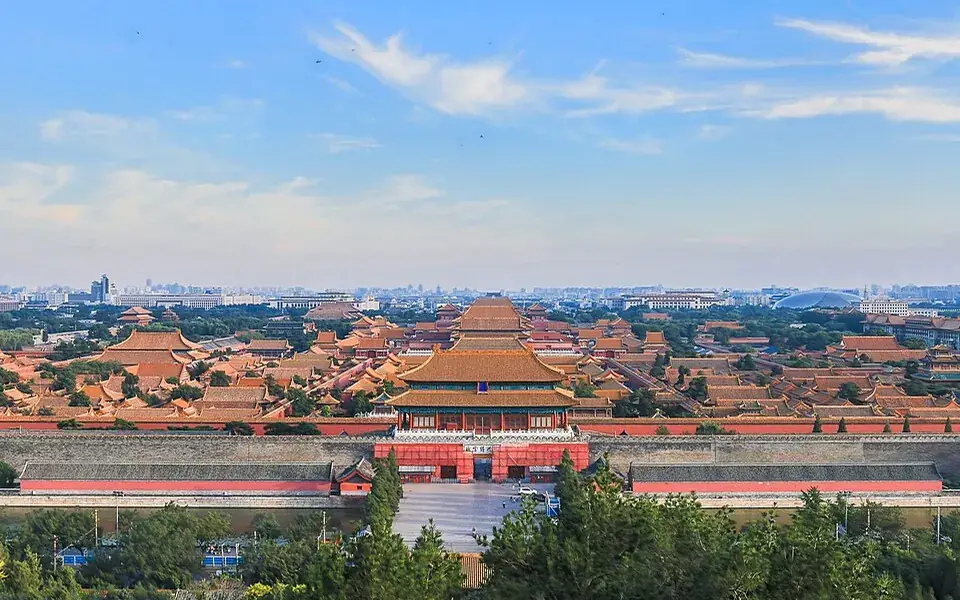
A palace axis organized ceremony and space
Beijing's Forbidden City was built during the Ming dynasty. Its central axis and courtyards organized space into areas serving audiences, residences, and daily court activities.
 Ancient Civilizations
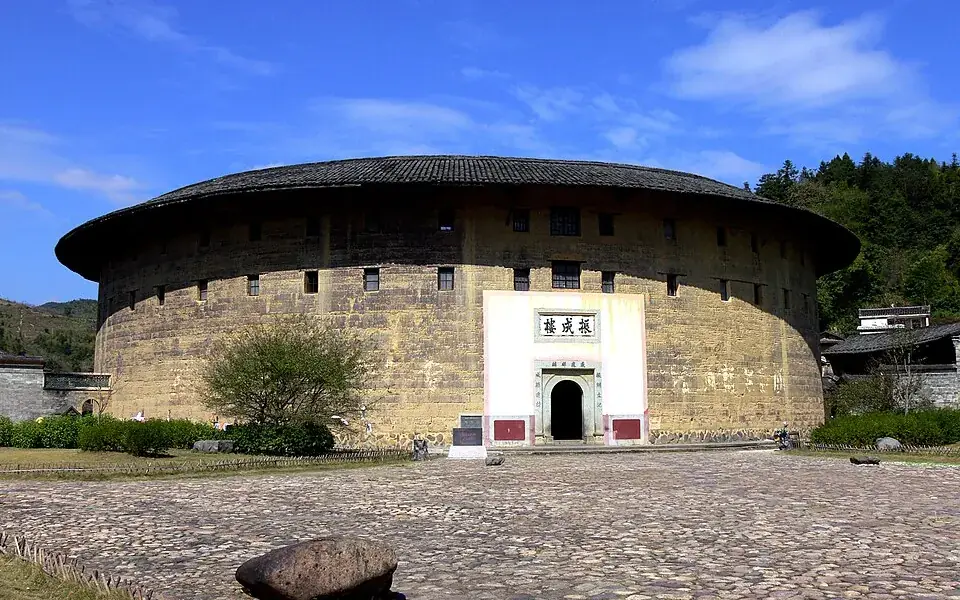
Large earthen residences could house several families together
Fujian tulou take circular, square, and other forms. Some arrange rooms around a central space for a family or community to live together. Their significance extends beyond an unusual shape: they reflect local materials, settlement relationships, and defensive needs. Tulou vary across places and historical periods.
 Ancient Civilizations
Stone pillars challenge an old story about early temples
Göbekli Tepe contains monumental stone enclosures built by communities before pottery became established in the region. Carved pillars and other remains complicate assumptions about early settlement and ritual. Archaeologists continue to debate the functions of the buildings while reconstructing their construction and changing landscape.
 Ancient Civilizations
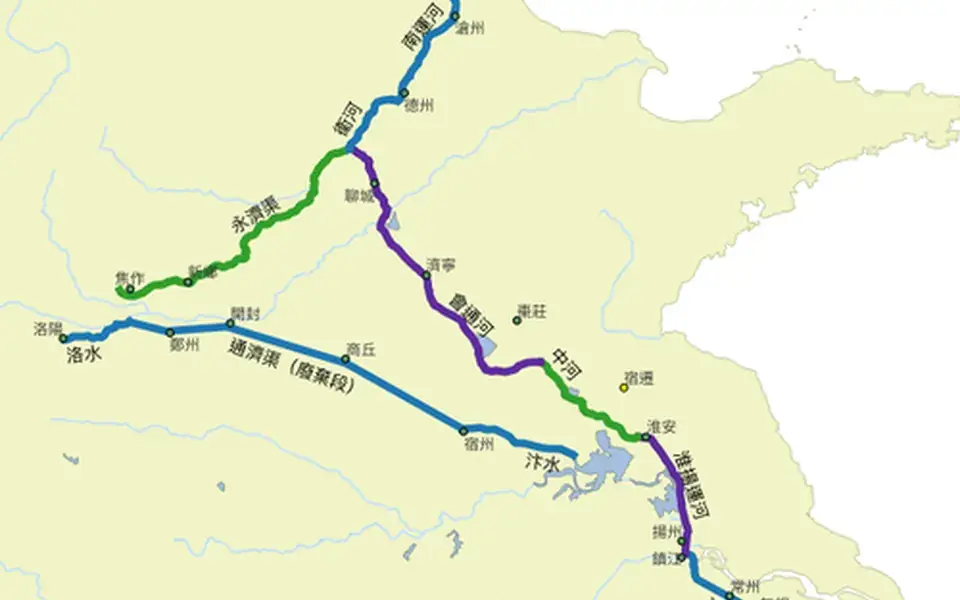
A canal connected the transport of goods from north to south
China's Grand Canal consists of sections built in different periods. Long used to carry grain and other goods, it connects several river basins and important cities.
 Ancient Civilizations
A layered pyramid grew into an enormous artificial hill
The Great Pyramid of Cholula, also known as Tlachihualtepetl, is a complex located in Cholula, Puebla, Mexico. It is the largest archaeological site of a pyramid in the world, as well as the largest pyramid by volume known to exist in the world today.