Ancient Civilizations
112 sourced historical stories, arranged by subject.
 Ancient Civilizations
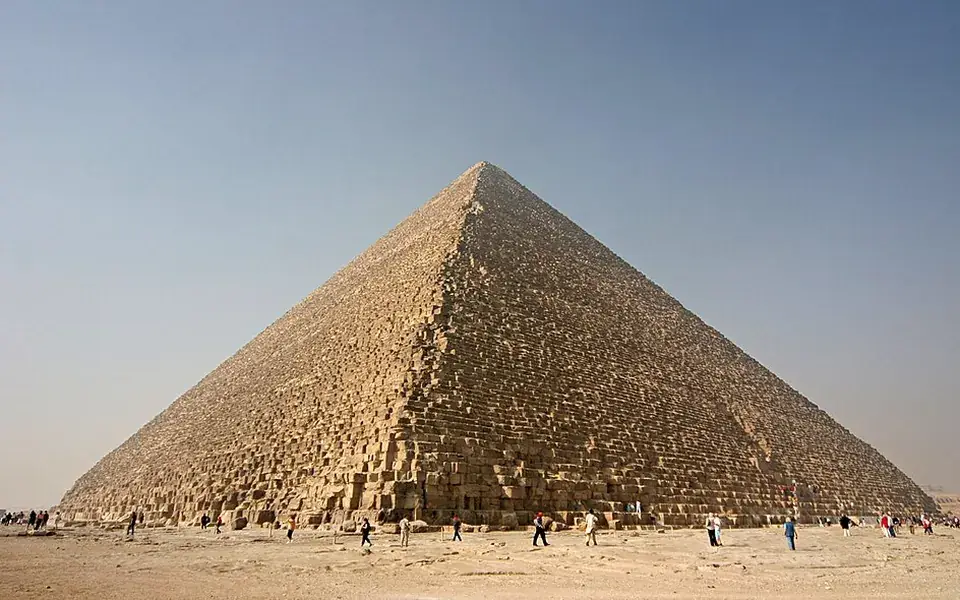
Chambers and passages lie inside the Great Pyramid
The Great Pyramid of Khufu at Giza is a large funerary structure from Egypt's Old Kingdom. It contains passages and burial chambers, but the bulk of the building consists of vast quantities of stone.
 Ancient Civilizations
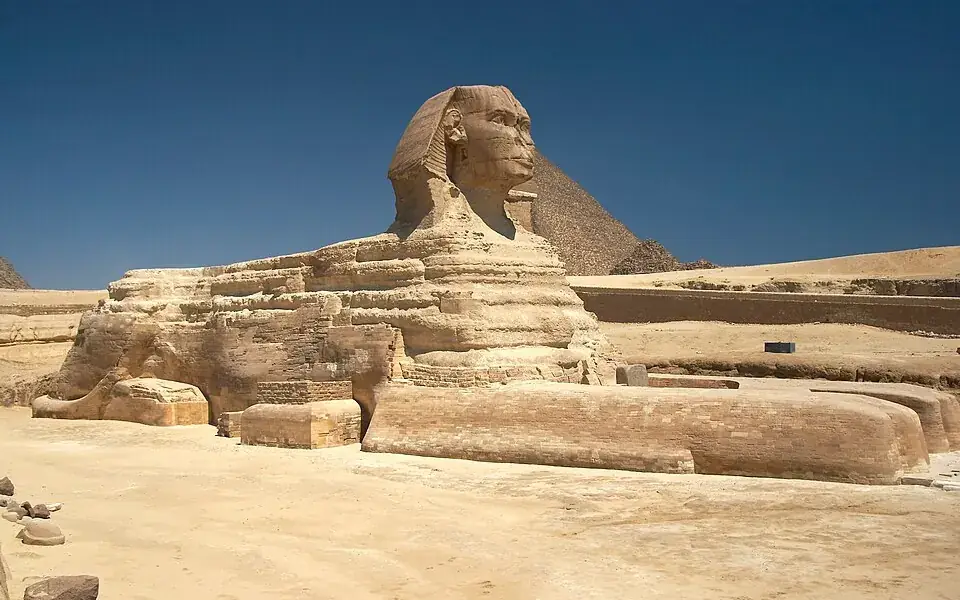
Giza's great statue was carved from limestone
The Great Sphinx of Giza combines a human head with a lion's body. It was carved mainly from the local limestone rock, with related architectural remains nearby.
 Ancient Civilizations
The Great Wall is a defense system built over many periods
The name Great Wall covers walls, passes, and beacon towers from different eras and regions. It is not one complete stone wall built by a single emperor in a single project.
 Ancient Civilizations
A stone city in Africa was built without mortar
Great Zimbabwe grew into a major center of trade and political power in southern Africa. Its granite walls were assembled without mortar, while cattle, agriculture, and gold connected the city to wider networks. Archaeology established that local African communities built the ruins.
 Ancient Civilizations
A Roman frontier crossed northern Britain from sea to sea
Hadrian’s Wall crossed northern Britain between the Tyne and the Solway. Built from the second century AD, the frontier combined walls, ditches, forts, and smaller military posts. Its garrison included auxiliary troops from across the Roman Empire, and its exact purposes extended beyond stopping a single invading army.
 Ancient Civilizations
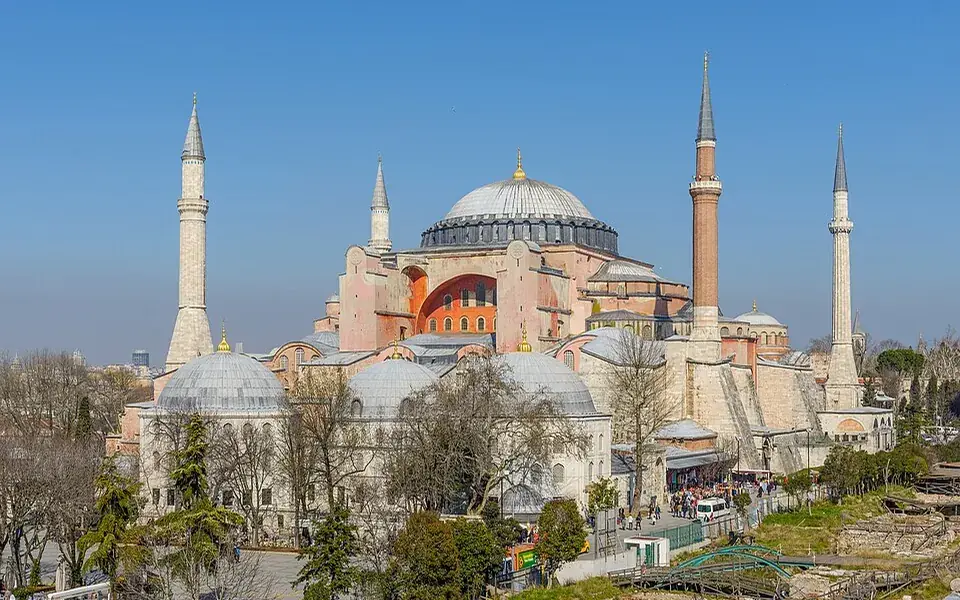
A great dome witnessed repeated changes of use
Built in the Byzantine period, Hagia Sophia served as a church and later a mosque. It became a museum in the 20th century and returned to use as a mosque in 2020.
 Ancient Civilizations
The Hanging Temple combines a cliff face with beams and columns
The Hanging Temple at Mount Heng was built along a rock face, combining wooden beams and columns with the cliff to create its distinctive appearance. The slender columns visible in photographs are not its only supports; stability depends on the whole structure. Ancient architecture cannot be understood from a photograph's surface impression alone.
 Ancient Civilizations
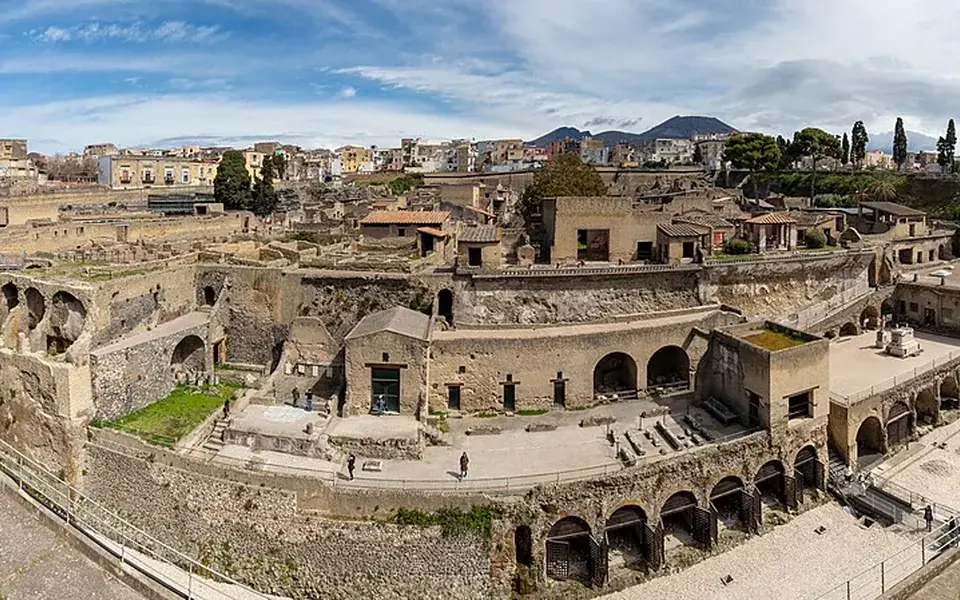
Another buried city preserved wood
Herculaneum and Pompeii were both affected by Vesuvius's eruption in 79 CE. Different burial conditions preserved some wood and other organic materials at Herculaneum.
 Ancient Civilizations
An imperial road network crossed deserts and mountain passes
The Inca road system was the most extensive and advanced transportation system in pre-Columbian South America. It was about 40,000 kilometres long in total. The construction of the roads required a large expenditure of time and effort.
 Ancient Civilizations
A jade burial suit joined many small pieces with gold wire
The Mancheng Han tombs yielded a jade burial suit in which small jade pieces were joined with gold wire to fit the body, reflecting high-status Han funerary practices. Making such a suit required selecting, shaping, drilling, and joining the pieces. It is both intricate craftsmanship and an object to be understood within burial institutions and beliefs.
 Ancient Civilizations
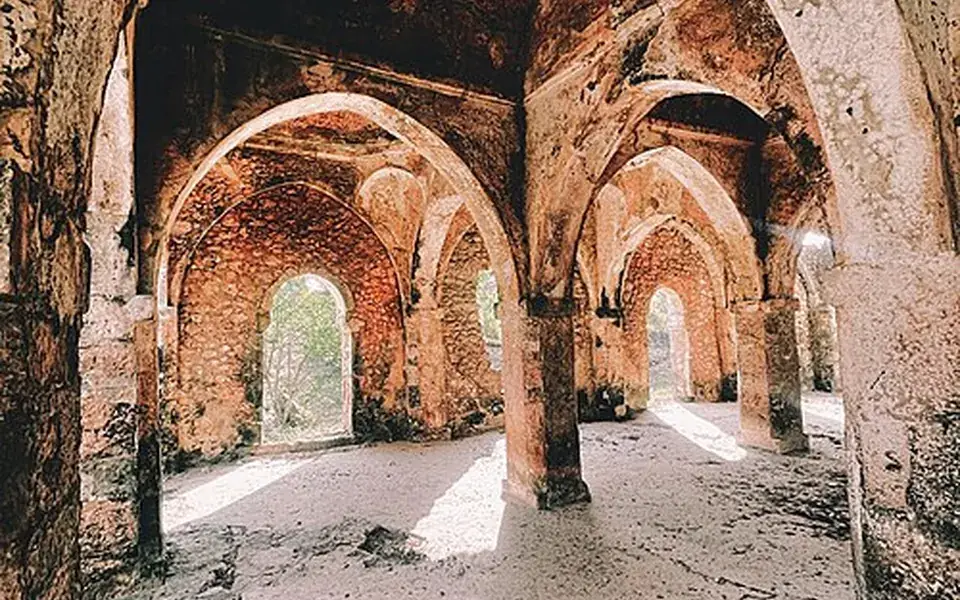
A Swahili island city grew wealthy through ocean trade
Kilwa Kisiwani developed into a major Swahili trading center on the East African coast. Its connections brought wealth, imported ceramics, and monumental buildings, including the palace of Husuni Kubwa. Archaeological remains show how island settlement, local production, and ocean commerce shaped the city's history.
 Ancient Civilizations
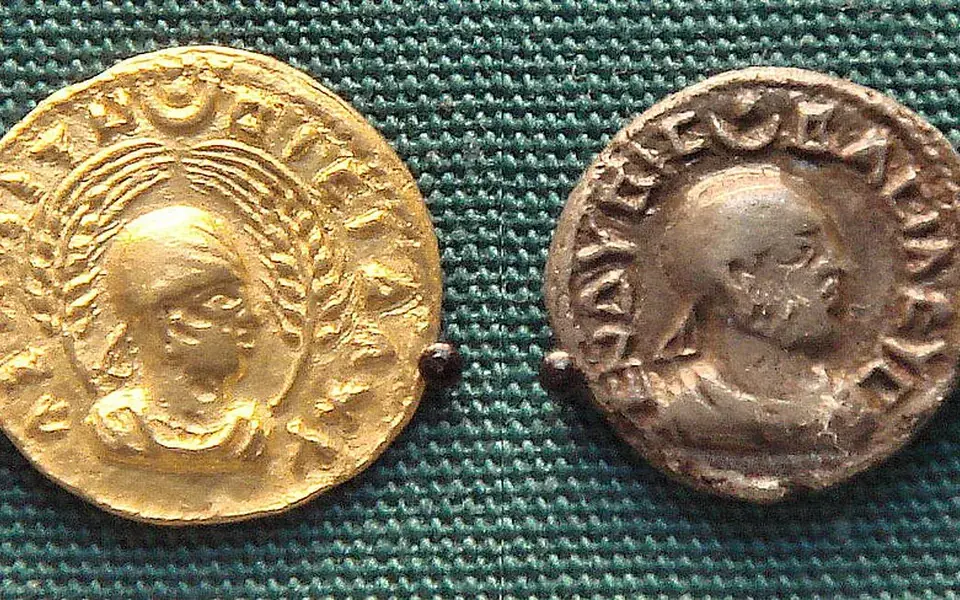
An African kingdom put its rulers on coins
Aksum connected the Horn of Africa with the Red Sea and Indian Ocean trade. Its rulers minted gold, silver, and bronze coins that carried royal names and changing religious symbols. The kingdom's monuments, commercial links, and conversion to Christianity reveal a distinctive African state.