Ancient Civilizations
112 sourced historical stories, arranged by subject.
 Ancient Civilizations
A golden rhinoceros reveals a southern African kingdom
Mapungubwe's settlements and royal burials reveal an early kingdom in southern Africa. Gold objects, including the famous rhinoceros, show elite craftsmanship, while imported goods point to distant trade connections. Archaeology links these discoveries with changes in settlement, social hierarchy, farming, and regional political power.
 Ancient Civilizations
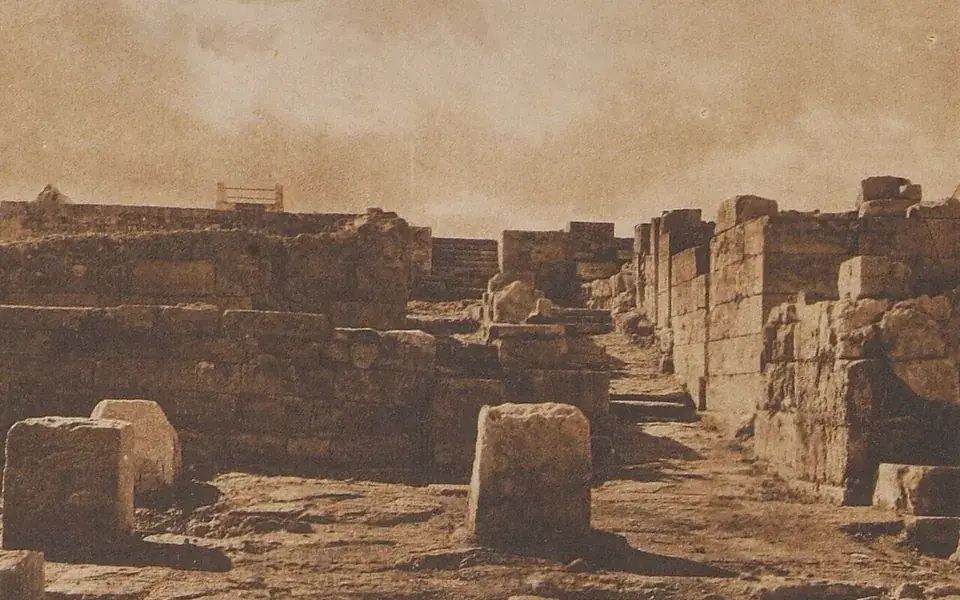
A palace on Crete inspired stories about a labyrinth
Knossos is an archaeological site and ancient urban centre in Crete, Greece. It is located within the southern periphery of Heraklion, about 5 km (3.1 mi) south of the city's historic centre. The site was occupied from the Neolithic period into the first millennium AD and became the largest and best-known centre of the Minoan civilisation.
 Ancient Civilizations
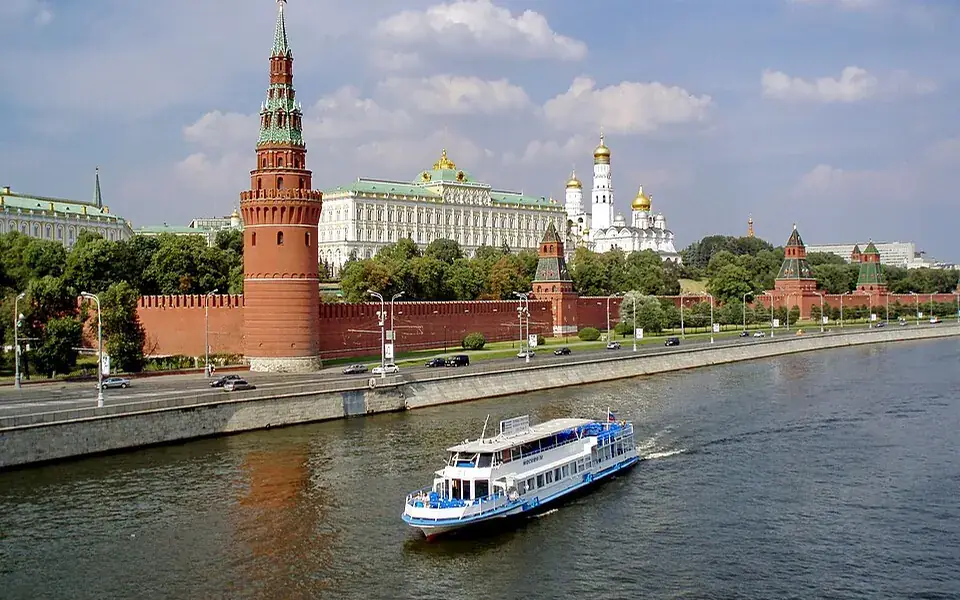
The Kremlin is a complex within walls
The Moscow Kremlin includes walls, towers, churches, and palaces. The name refers to more than a single office building, and the complex carries the history of different ruling dynasties.
 Ancient Civilizations
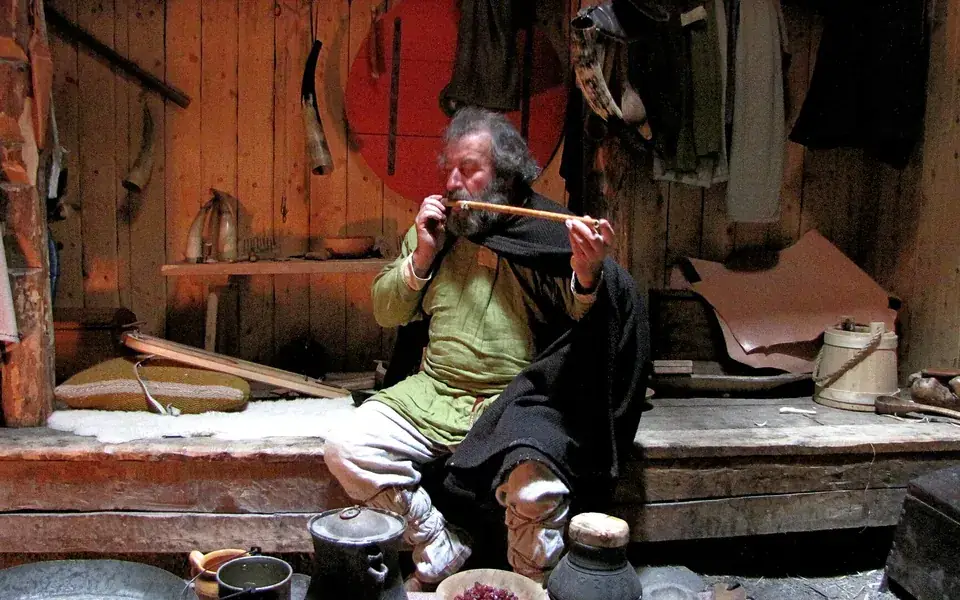
Norse builders left traces of a settlement in Newfoundland
L'Anse aux Meadows is an archaeological site, first excavated in the 1960s, of a Norse settlement dating to approximately 1,000 years ago. The site is located near St. Anthony on the northernmost tip of the island of Newfoundland in the Canadian province of Newfoundland and Labrador.
 Ancient Civilizations
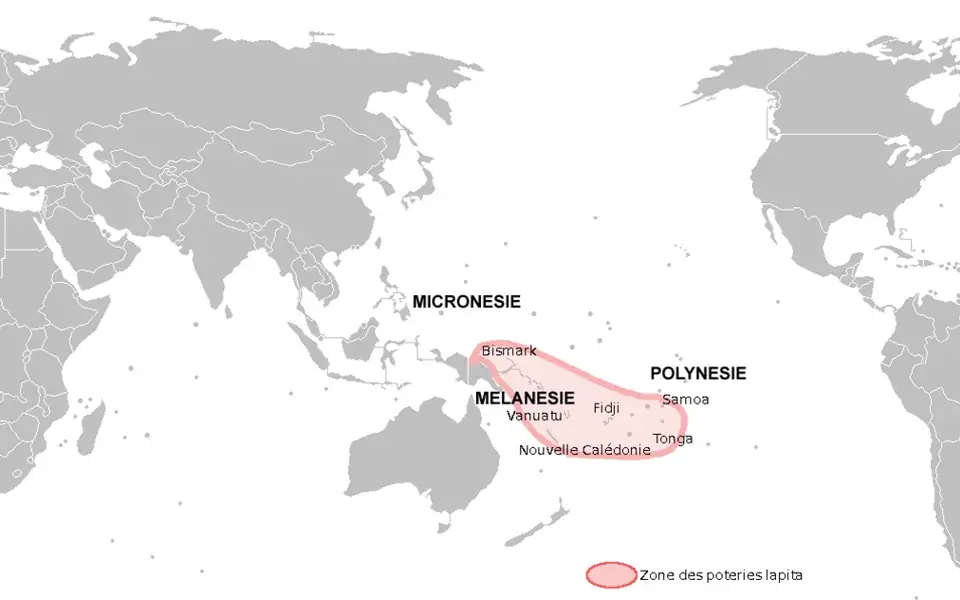
Stamped pottery traces a great Pacific migration
Lapita pottery provides a distinctive archaeological marker of early Pacific settlement and migration. Its decoration, distribution, burial sites, and settlement remains help researchers trace relationships among communities. These findings must be combined with other evidence when reconstructing the origins and movements of the people involved.
 Ancient Civilizations
A bell tower leaned because of its foundations
The Leaning Tower of Pisa is the bell tower of a cathedral complex. During construction, foundation and soil conditions caused it to lean, requiring repeated changes in building and stabilization methods.
 Ancient Civilizations
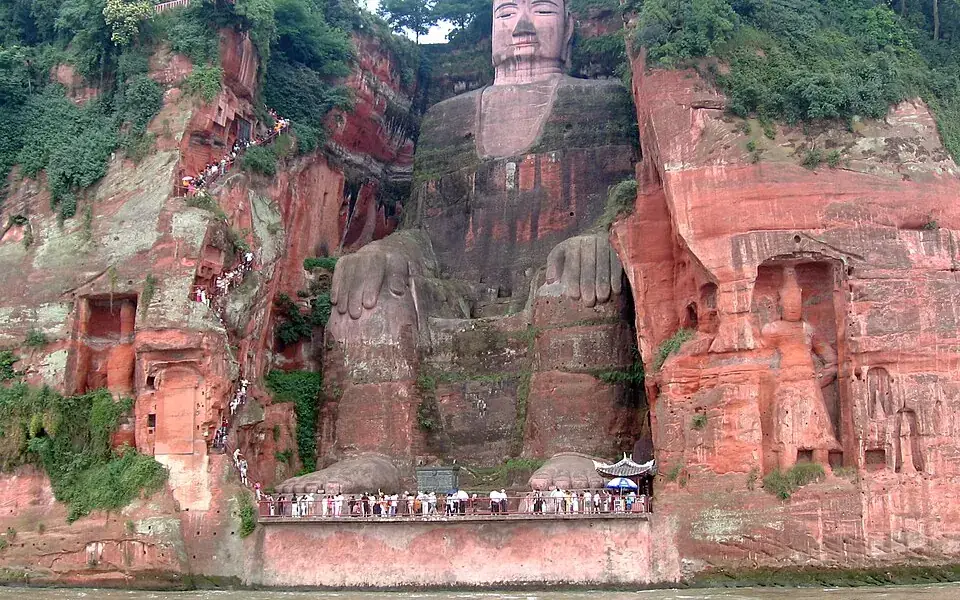
Drainage inside the Giant Buddha helps manage rainwater
The Leshan Giant Buddha was carved into a mountainside. Channels and other drainage features in areas such as its hair and collar reduce damage caused by water accumulating over time.
 Ancient Civilizations
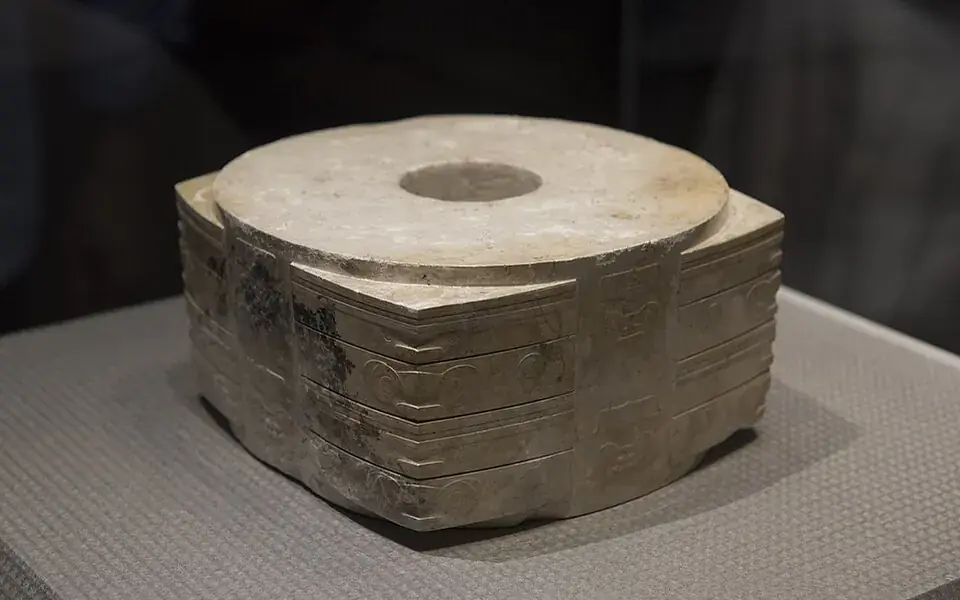
Jade and waterworks reveal an early complex society
The Liangzhu culture is known for fine jade objects, cemeteries, and urban remains. Large associated waterworks show that people organized extensive labor to manage their water environment.
 Ancient Civilizations
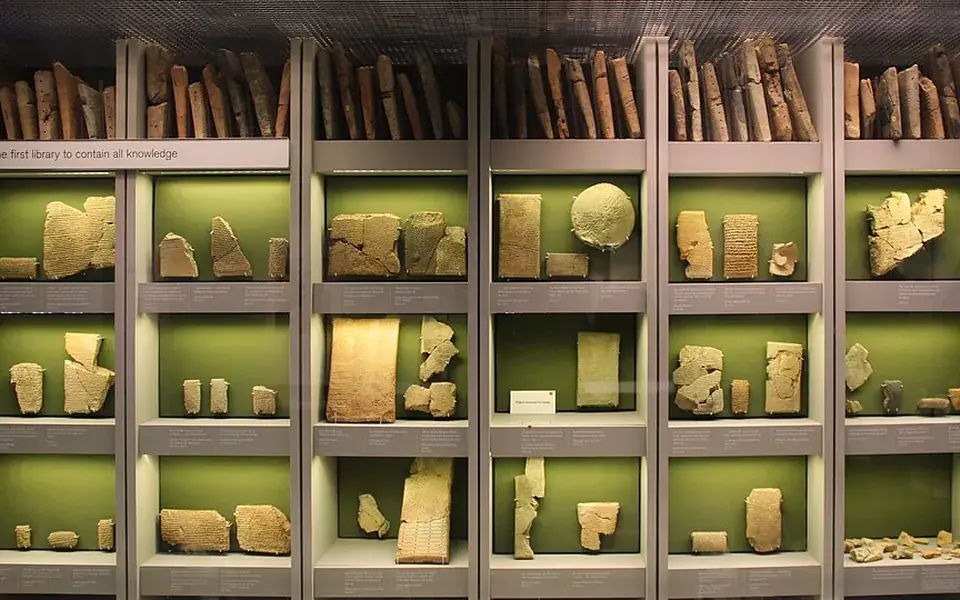
A royal library survived because its books were clay
Ashurbanipal's library brought together clay tablets covering scholarship, religion, and administration. Excavations recovered a vast but fragmented collection whose contents illuminate ancient textual culture. Because the tablets survived destruction, researchers could reconstruct parts of a royal library that had assembled knowledge from across Mesopotamia.
 Ancient Civilizations
Longmen's sculptures carved changing styles into rock
The Longmen Grottoes developed through periods including the Northern Wei and Tang dynasties. Their Buddha figures, clothing, and layouts reflect changes in artistic style and patronage.
 Ancient Civilizations
A mountain city adapted to steep terrain with walls and terraces
Machu Picchu lies in the Andes. Its buildings, terraces, and drainage structures respond to the mountain environment, while its stonework displays the technical characteristics of Inca civilization.
 Ancient Civilizations
Archaeology brought a short-lived emperor back into view
Archaeological research at the tomb of the Marquis of Haihun concerns Liu He. Its artifacts and written material help illuminate Western Han aristocratic life and identity. Assessments of the historical individual had largely relied on transmitted histories. Tomb evidence offers new perspectives, though particular interpretations still need excavation reports and chronological research.