Arts & Culture
74 sourced historical stories, arranged by subject.
 Arts & Culture
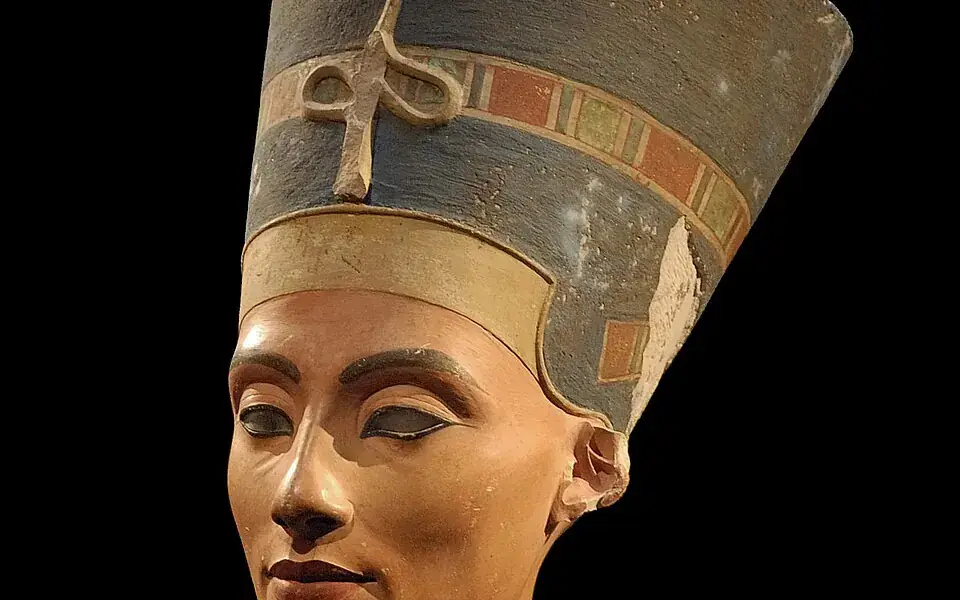
A painted bust carried an Egyptian queen's image across millennia
The Nefertiti Bust is an ancient Egyptian painted sculpture discovered in the Amarna region in the early 20th century. It is famous for its depiction of the queen's face and tall crown.
 Arts & Culture
Masks and measured movement shaped a Japanese theater tradition
Noh developed through medieval Japanese performers and later gained support from ruling elites. Masks, music, costume, and controlled movement work within a specialized performance language. Its stage conventions show how a small number of visible elements can carry complex identities, emotions, and dramatic transitions.
 Arts & Culture
Peking opera drew on several theatrical traditions
Peking opera developed gradually during the Qing through exchanges involving Anhui troupes, Han opera, and other performance traditions, within Beijing's theatrical setting. Its vocal styles, roles, and performance conventions emerged through performers' long practice. An entire genre cannot simply be attributed to one person or a single day.
 Arts & Culture
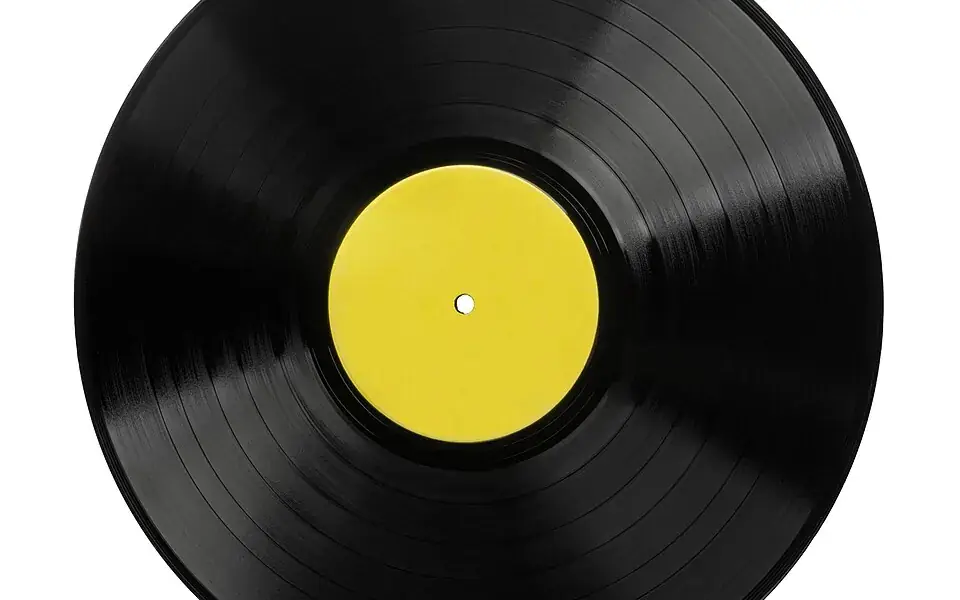
Record grooves preserved sound as a continuous trace
A record's stylus follows a groove, converting its tiny variations back into sound. Materials, playback speeds, and recording methods underwent repeated changes over time.
 Arts & Culture
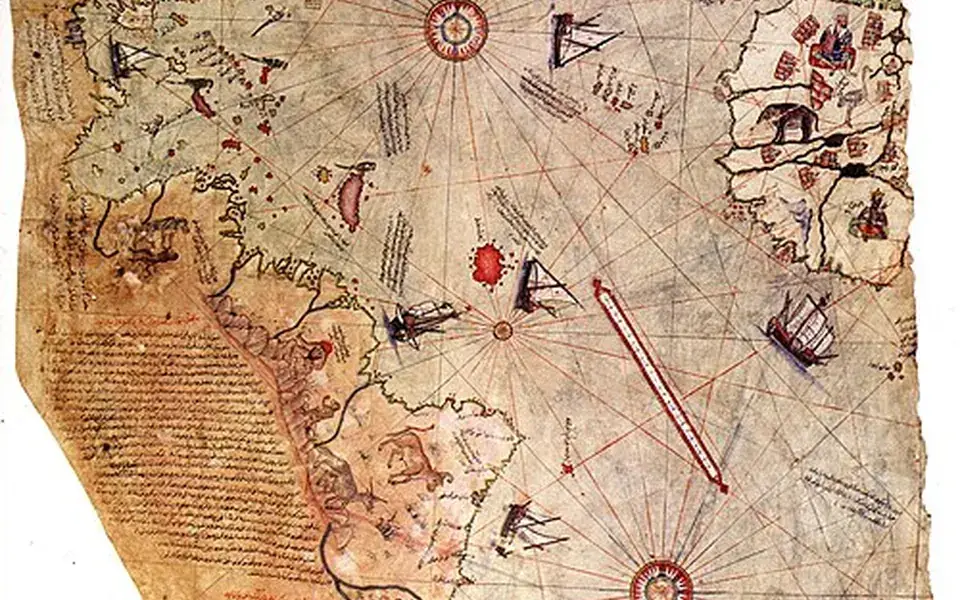
A fragment of a map preserves an Ottoman view of the world
The surviving Piri Reis map fragment combines geographic information from several earlier sources. Created in 1513, it records part of an Ottoman understanding of the Atlantic world. Its images and inscriptions reward close study, while sensational claims about Antarctica exceed what the historical evidence supports.
 Arts & Culture
A stepped well turned water storage into sculpture
Rani ki Vav combined a stepped descent to water with an exceptionally rich sculptural program. Built in medieval Gujarat, the well later became buried in sediment and was recovered through conservation. Its architecture shows how a practical water structure could also create a monumental sacred space.
 Arts & Culture
A royal chapel used stained glass to surround its relics with light
The Sainte-Chapelle ( English: Holy Chapel) is a royal chapel located on the Île de la Cité in the middle of the River Seine in Paris. Built during the 13th century in the Gothic style, the chapel was part of the medieval Palais de la Cité, the main residence of the Kings of France until the 14th century.
 Arts & Culture
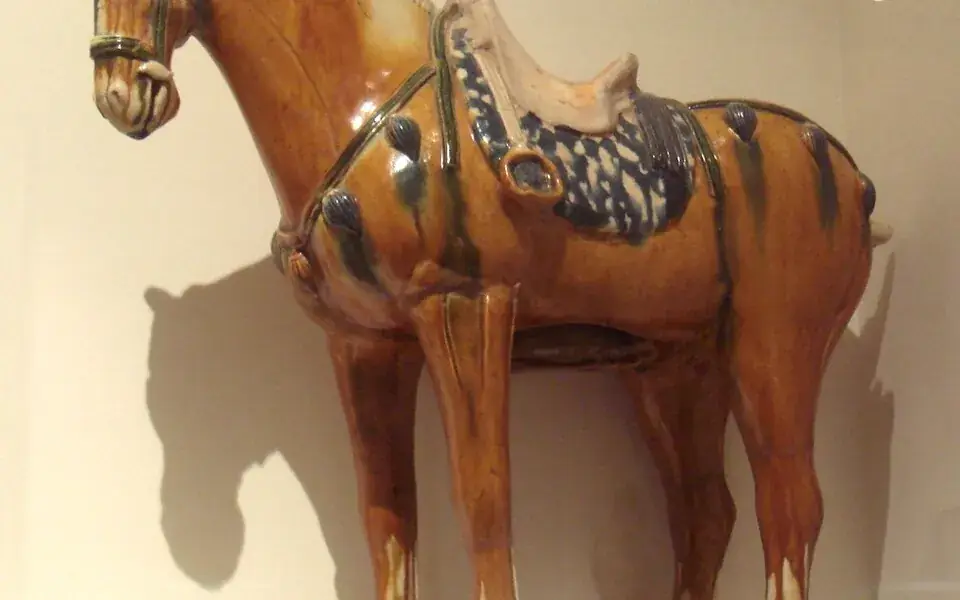
Tang sancai pottery used more than three colors
Tang sancai is a general name for low-fired, lead-glazed pottery, commonly using yellow, green, white, and other glaze colors. Many pieces were used in burials, but forms and functions varied. The term three colors describes a type of pottery rather than limiting every object to exactly three colors.
 Arts & Culture
Carved gateways tell stories around a Buddhist stupa
Sanchi's Great Stupa developed through several periods of patronage and rebuilding. Its gateways carried detailed reliefs that presented Buddhist stories through people, animals, monuments, and symbols. The site's construction and carving techniques reveal how religious devotion drew on skilled craftsmanship and diverse communities of donors.
 Arts & Culture
An early dictionary sought to explain Chinese character structure
Xu Shen compiled Shuowen Jiezi, organizing characters by radicals and explaining their forms, pronunciations, and meanings. It became an important classic in the study of Chinese writing. The book reflects Eastern Han understandings of writing. Excavated evidence and modern research can supplement or correct some explanations, and the dictionary has its own historical limitations.
 Arts & Culture
Four traditional categories organized a great library
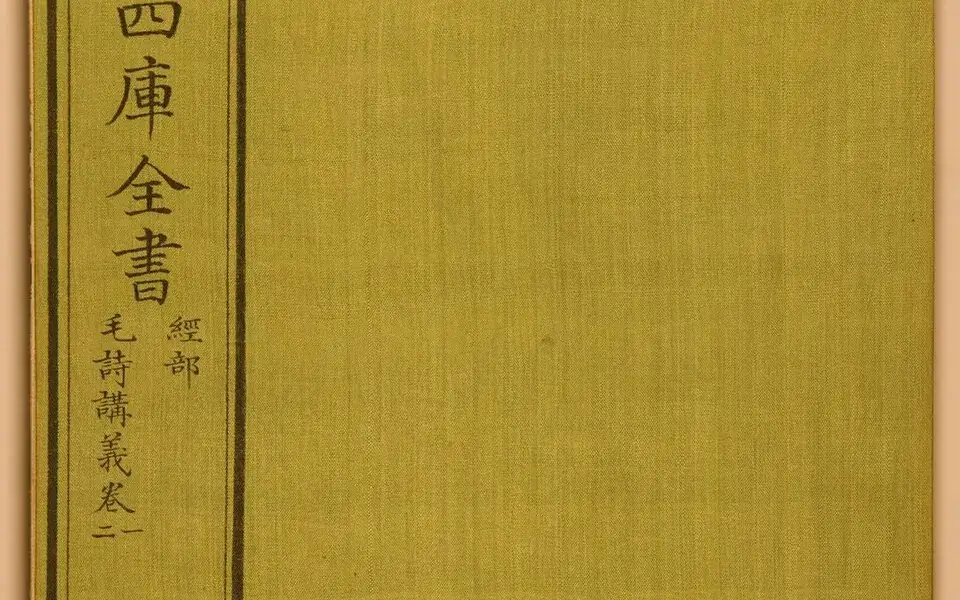
The Complete Library of the Four Treasuries arranged books under Classics, Histories, Masters, and Collections, with accompanying catalog summaries describing and assessing the works. This classification arose from traditional scholarship and does not match modern disciplinary boundaries. Political and cultural judgments in the Qing also shaped which books were included or excluded.
 Arts & Culture
A spiral ramp changed the route through a museum
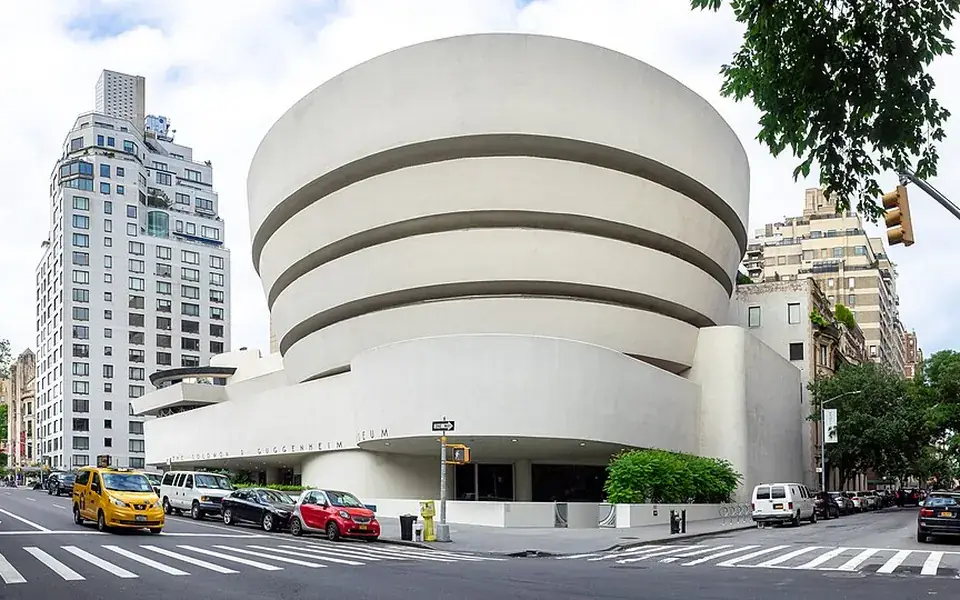
Frank Lloyd Wright designed New York's Solomon R. Guggenheim Museum with a continuous spiral ramp and central hall. The route for viewing art is integrated into the building itself.