Science & Discovery
65 sourced historical stories, arranged by subject.
 Science & Discovery
Lenses revealed a world invisible to the naked eye
Microscopes use lenses or other imaging methods to magnify small objects. The development of early optical microscopes allowed researchers to study tissues and tiny organisms.
 Science & Discovery
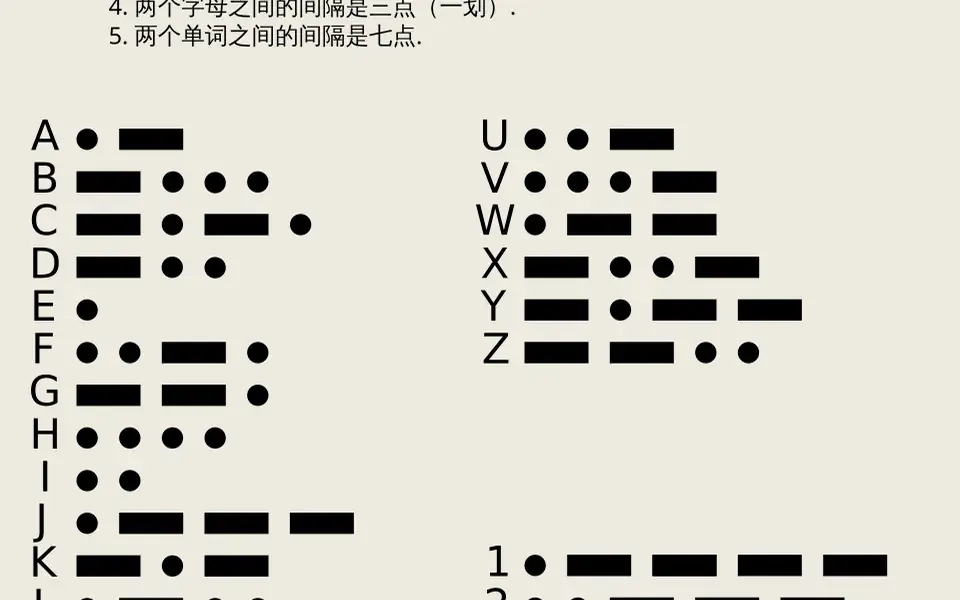
Dots and dashes sent words along wires
Morse code represents characters through signals of different lengths and pauses, allowing text to travel by telegraph. Samuel Morse, Alfred Vail, and others contributed to its development.
 Science & Discovery
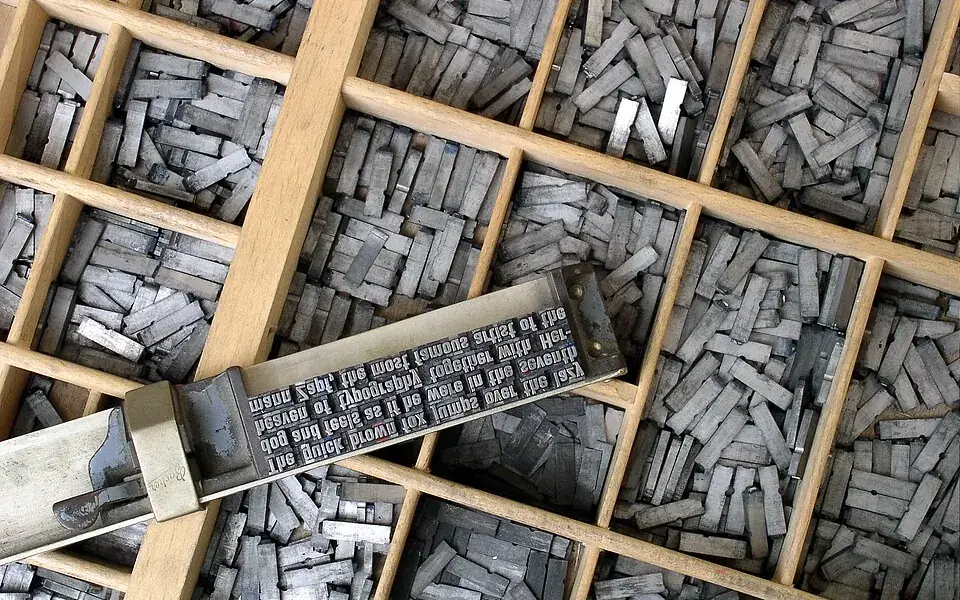
Bi Sheng divided printed text into reusable pieces
Shen Kuo recorded how Bi Sheng made reusable clay type. After arranging the pieces, printers fixed them with heat, then took them apart for reuse, avoiding the need to carve a whole new block for every page.
 Science & Discovery
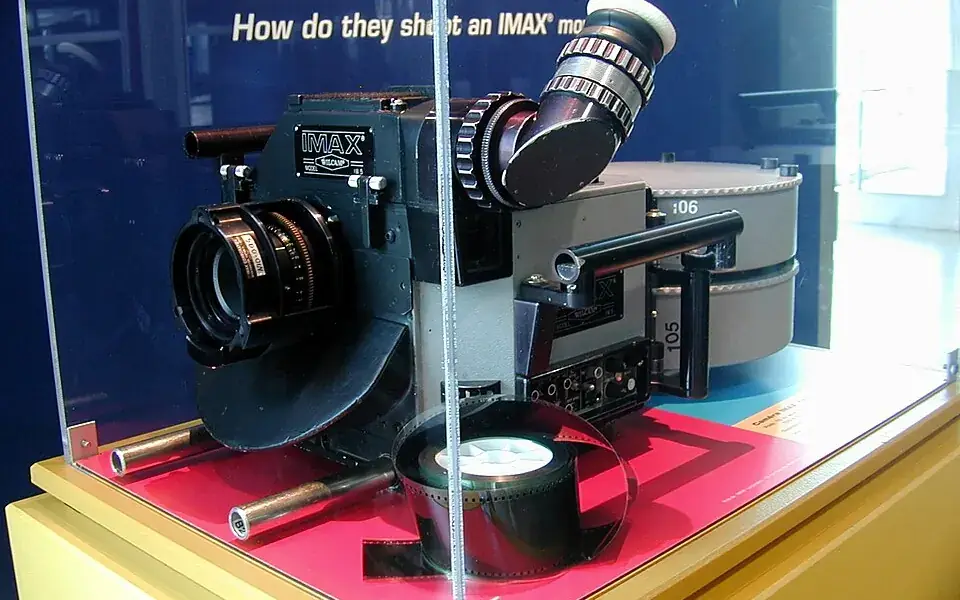
Moving pictures are made from a sequence of still images
A movie camera records successive frames at a set rate. During projection, the frames appear in sequence, and their rapid presentation creates the movement the audience sees.
 Science & Discovery
Mathematical predictions guided the search for Neptune
Differences between observed and calculated positions of Uranus led researchers to propose another planet farther from the Sun. Observations in 1846 located Neptune.
 Science & Discovery
Oxygen's discovery involved more than one researcher
Carl Wilhelm Scheele, Joseph Priestley, and Antoine Lavoisier all contributed to research on oxygen. Producing the gas, publishing the results, and explaining combustion were separate achievements.
 Science & Discovery
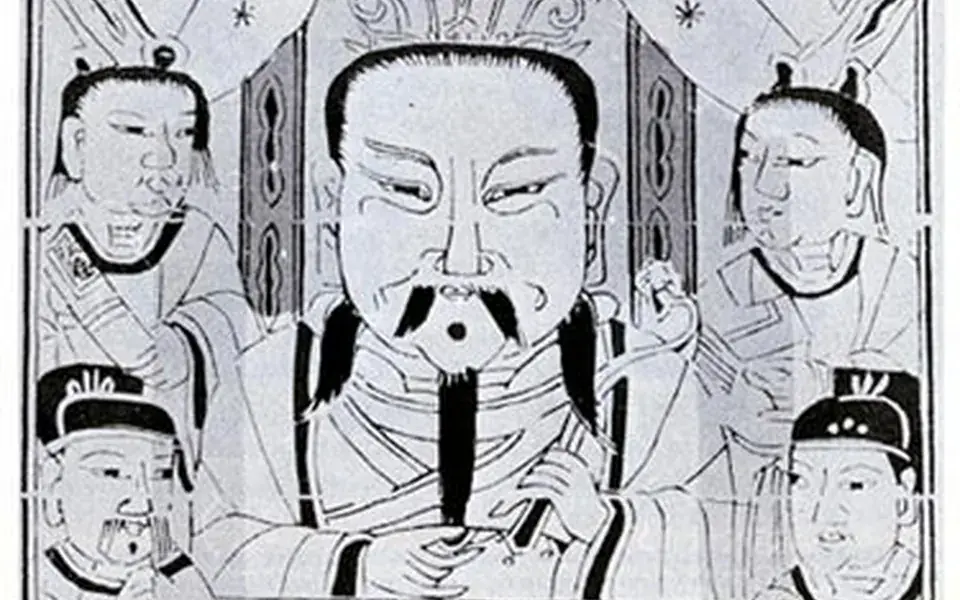
Cai Lun improved an existing papermaking process
Archaeological evidence of paper predates Cai Lun. During the Eastern Han dynasty, he refined papermaking materials and techniques, so his contribution should not be described as creating the first sheet from nothing.
 Science & Discovery
Contamination in a culture dish revealed an antibacterial effect
In 1928, Alexander Fleming noticed that bacteria were not growing well around mold that had contaminated a bacterial culture dish. This observation advanced research into penicillin.
 Science & Discovery
Mendeleev left gaps for elements still undiscovered
When arranging the elements, Dmitri Mendeleev did not force every position to be filled. He left spaces for unknown elements and predicted some of their properties.
 Science & Discovery
Early sound recordings were inscribed on a rotating cylinder
Thomas Edison demonstrated the phonograph in 1877. In the early device, a vibrating stylus marked a cylinder wrapped in tinfoil, and those marks could then be reproduced as sound.
 Science & Discovery
A British schoolgirl suggested Pluto's name
After Pluto was discovered in 1930, a British girl, Venetia Burney, suggested naming it after Pluto, the god of the underworld. Her proposal was passed on and adopted.
 Science & Discovery
Ocean voyagers read stars, swells, and living signs
Polynesian navigators used stars, ocean swells, birds, and other signs to cross large stretches of the Pacific. Knowledge passed through observation and teaching rather than reliance on modern instruments. Later voyage reconstructions tested parts of these traditions while drawing on experienced living navigators.