Science & Discovery
65 sourced historical stories, arranged by subject.
 Science & Discovery
Underground channels carried water across dry landscapes
Qanats carried groundwater through gently sloping underground tunnels to settlements and fields. Their construction required knowledge of local geology, careful measurement, and continuing maintenance. By bringing reliable water into dry environments, these systems influenced where communities lived and how they organized farming and labor.
 Science & Discovery
The Curies identified new elements in ore
The Curies announced the discovery of radium in 1898. Studying the radioactivity of pitchblende, they used chemical separation to find the substances responsible for its extra radioactivity.
 Science & Discovery
A mathematician studied vibrating plates while using a male pen name
Marie-Sophie Germain ( 1 April 1776 – 27 June 1831) was a French mathematician, physicist, and philosopher. Despite initial opposition from her parents and difficulties presented by society, she gained education from books in her father's library, including ones by Euler, and from correspondence under the pseudonym of Monsieur Le Blanc with famous mathematicians, such as Lagrange, Legendre, and Gauss.
 Science & Discovery
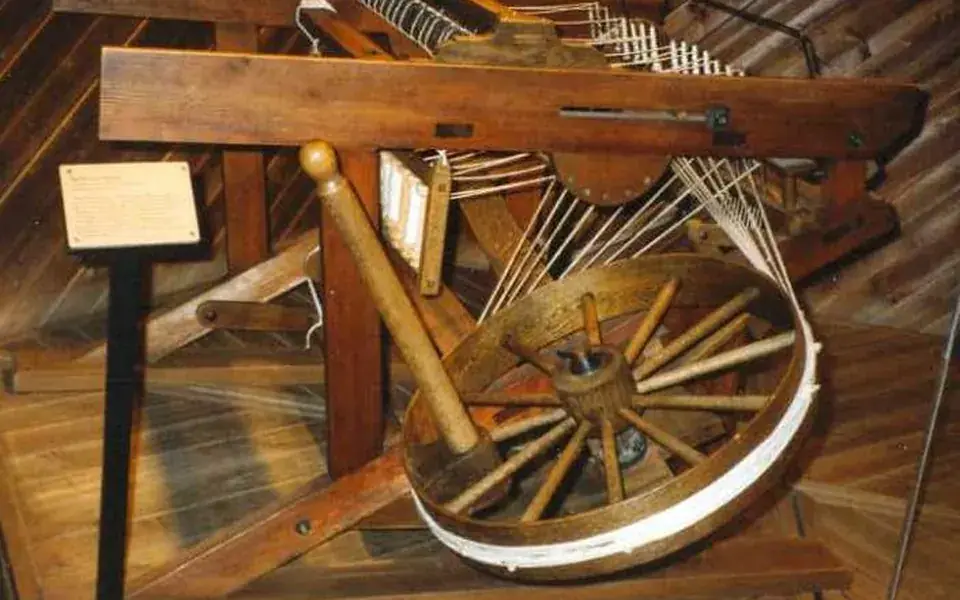
One spinning machine could operate several spindles at once
James Hargreaves's spinning jenny allowed one worker to operate several spindles simultaneously, changing the single-spindle approach of hand spinning.
 Science & Discovery
The first artificial satellite was a metal sphere with antennas
The Soviet Union launched Sputnik 1 in 1957. The spherical metal satellite carried a radio transmitter and sent signals back to Earth through its antennas.
 Science & Discovery
A self-taught mathematician filled notebooks with discoveries
Srinivasa Ramanujan developed mathematical ideas through intensive independent study and recorded them in notebooks. His correspondence with British mathematicians opened a new phase of collaboration. The notebooks and later examination of his results reveal both unusual intuition and the continuing work needed to establish proofs.
 Science & Discovery
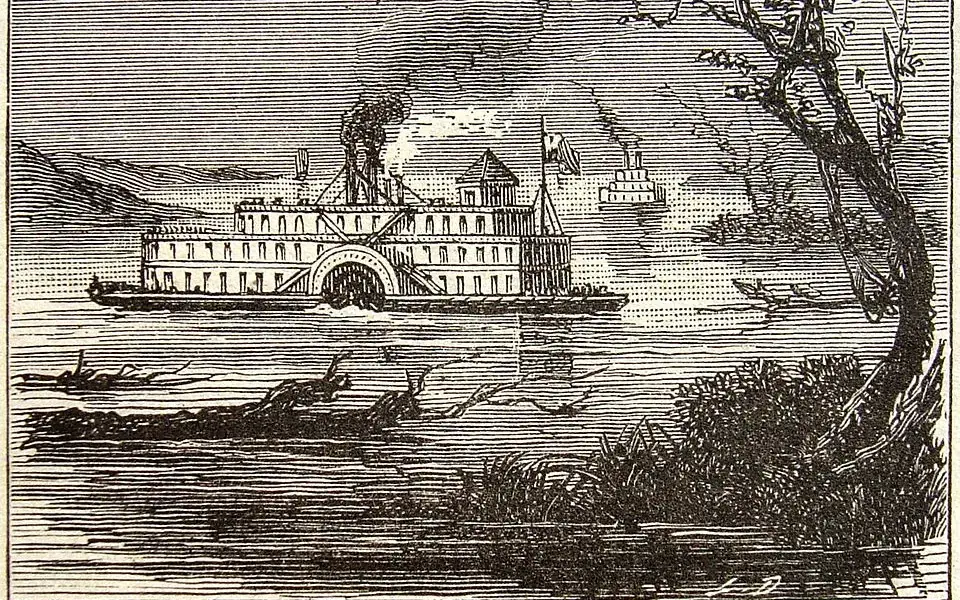
Steamships made voyages less dependent on the wind
The steamship promoted by Robert Fulton entered commercial service in the early 19th century. A steam engine drove its paddle wheels, reducing the ship's dependence on wind direction.
 Science & Discovery
Turtle tried to take warfare underwater
During the American Revolutionary War, Turtle was a one-person submersible. Its designer hoped its operator could approach an enemy ship and attach an explosive device.
 Science & Discovery
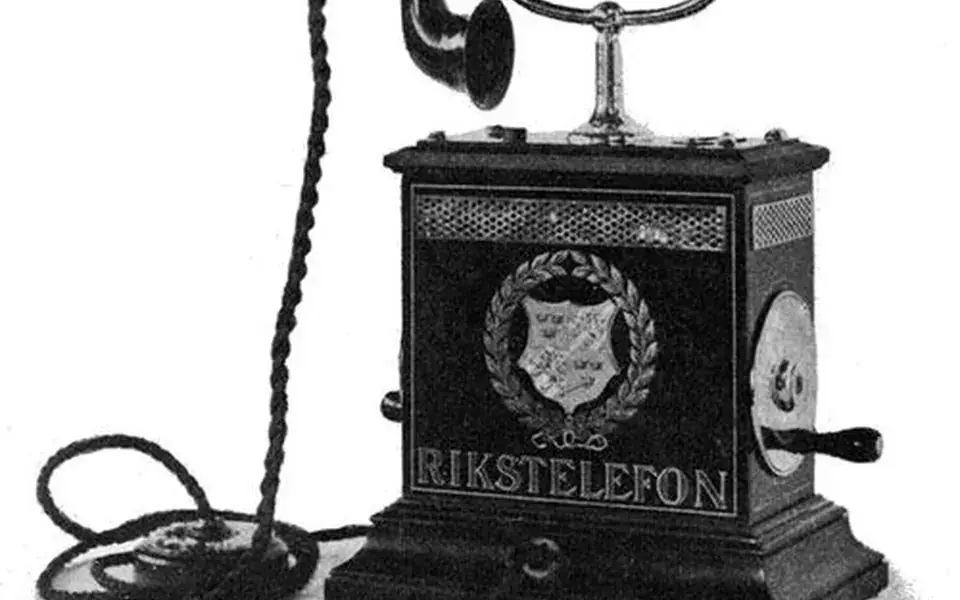
The telephone turned voices into signals that could travel
Telephone research in the 19th century sought to transmit the human voice through electrical signals. Alexander Graham Bell received a related patent in 1876, and telephones gradually developed into communication networks.
 Science & Discovery
Galileo improved the telescope and turned it toward the sky
Telescopes appeared in Europe in the early 17th century. After learning their principle, Galileo improved the instrument and used it to observe the Moon, Jupiter's moons, and other celestial objects.
 Science & Discovery
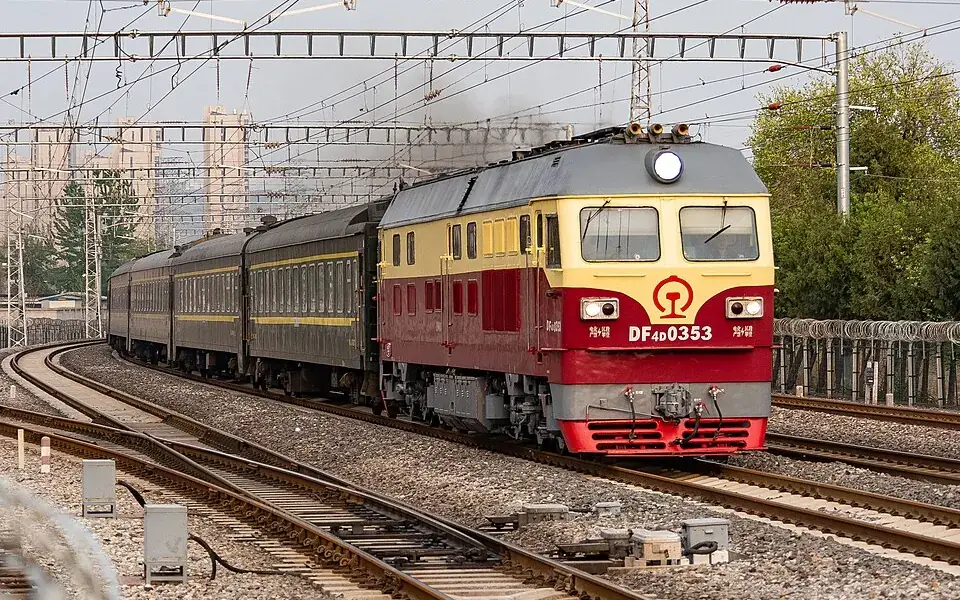
Railways first carried minerals
Early railways were closely connected with mining transport, using tracks to reduce resistance as vehicles moved. Steam locomotives later increased railway capacity.
 Science & Discovery
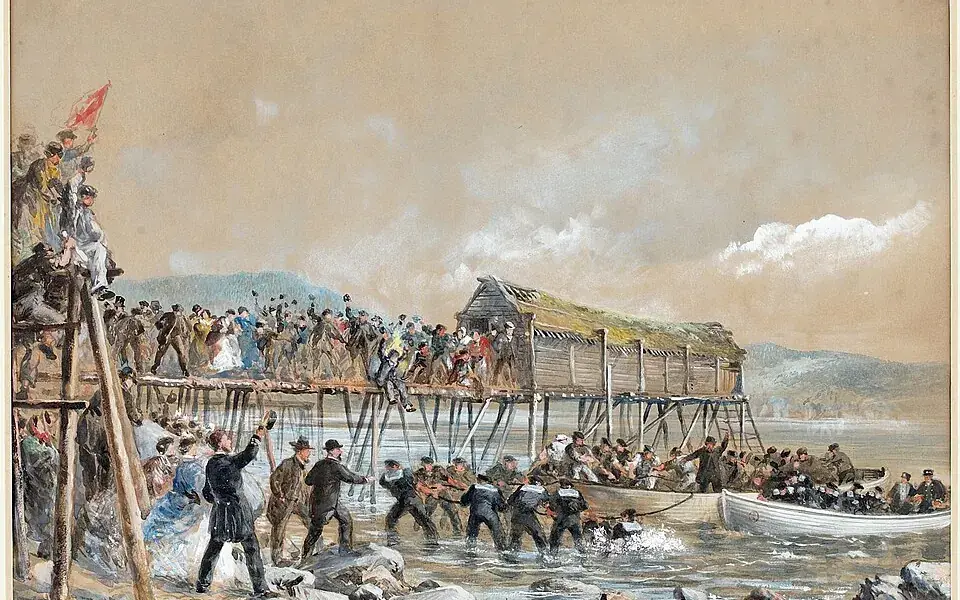
Transatlantic cables turned messages into electrical signals
Nineteenth-century Atlantic telegraph cables allowed messages between Europe and North America to travel as electrical signals, reducing the wait for letters carried by ships.