Science & Discovery
65 sourced historical stories, arranged by subject.
 Science & Discovery
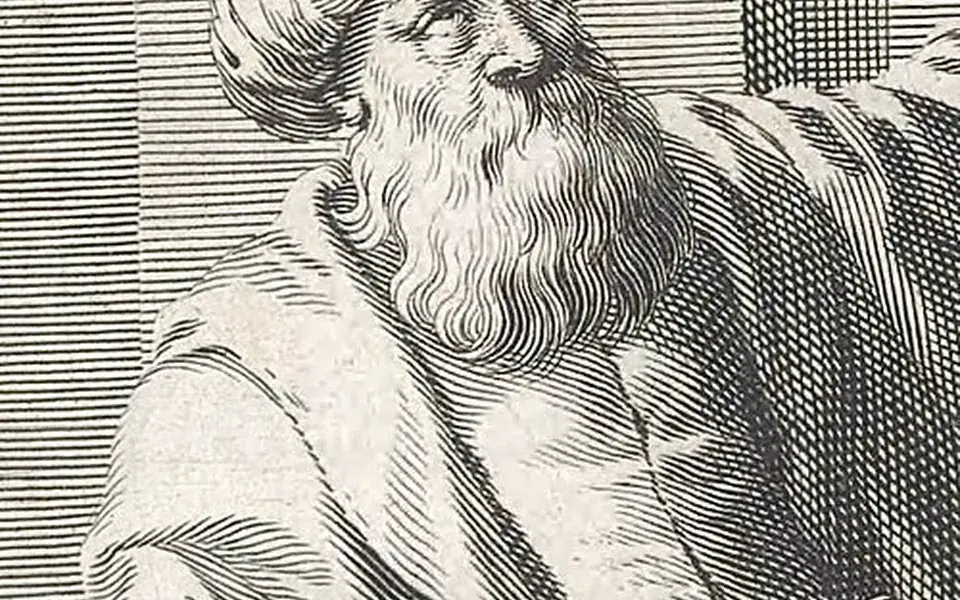
Experiments with light changed the study of vision
Ibn al-Haytham investigated light and vision through mathematical reasoning and experiments. His optical work examined how light entered the eye and how images formed in darkened spaces. These studies influenced later scholarship while raising questions about observation, demonstration, and the reliable testing of explanations.
 Science & Discovery
A physician linked deadly childbed fever to contaminated hands
Ignaz Philipp Semmelweis ( Semmelweis Ignác Fülöp; 1 July 1818 – 13 August 1865) was a Hungarian medical doctor and scientist of German descent who was an early pioneer of antiseptic procedures, known as the "saviour of mothers".
 Science & Discovery
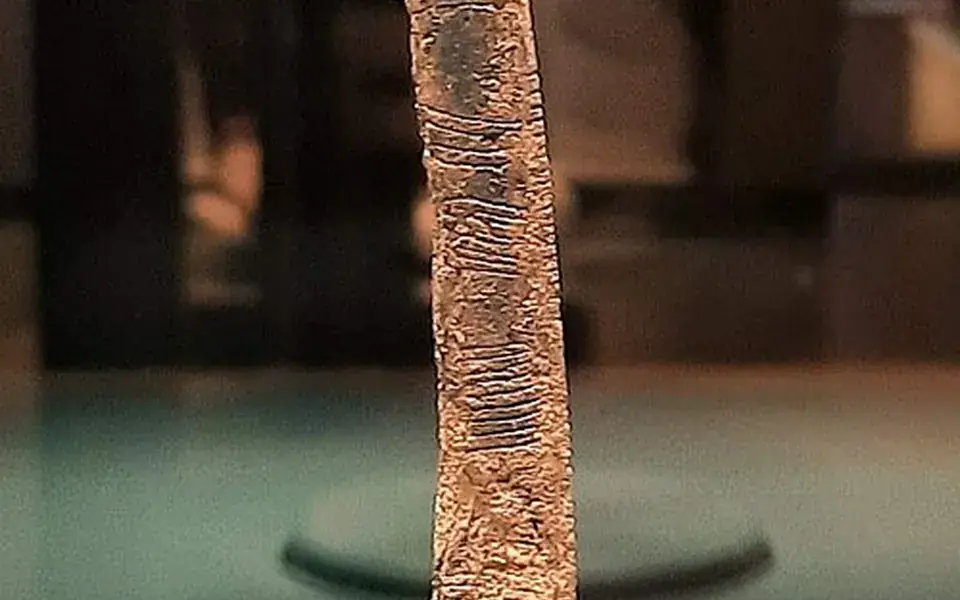
A notched bone opened a debate about ancient counting
The Ishango bone bears organized groups of notches that invite mathematical interpretation. Researchers have proposed counting systems and lunar records, while others caution that the marks may have served different purposes. Its archaeological setting and disputed explanations show the difficulty of reconstructing prehistoric thought.
 Science & Discovery
An engineer designed clocks powered by water and animals
Al-Jazari described practical machines, elaborate clocks, and entertaining automata in an illustrated engineering book. His designs used water, weights, valves, gears, and carefully arranged mechanisms. They show how workshop experience could combine technical explanation with courtly spectacle in the medieval Islamic world.
 Science & Discovery
A physicist built instruments to measure responses in plants
Jagadish Chandra Bose investigated electromagnetic waves before turning instruments toward the responses of plants. He worked across physics and biological observation, designing devices to detect small changes. His research and institution-building show how experimental methods could move between fields while shaping an Indian scientific community.
 Science & Discovery
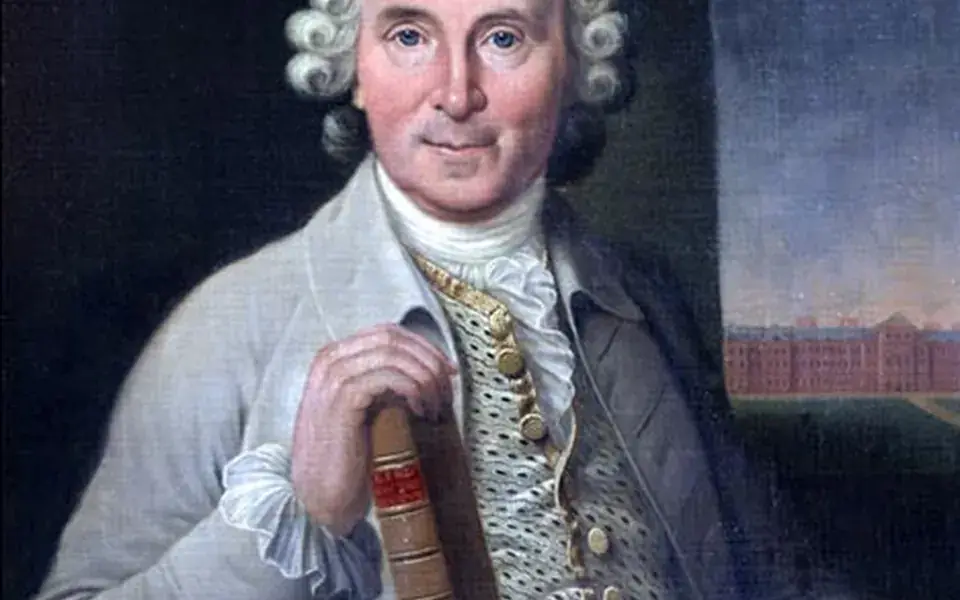
A naval surgeon compared six treatments for scurvy
James Lind (4 October 1716 – 13 July 1794) was a Scottish physician. He was a pioneer of naval hygiene in the Royal Navy. By conducting one of the first ever clinical trials, he developed the theory that citrus fruits cured scurvy.
 Science & Discovery
A surgeon brought antiseptic methods into the operating room
Joseph Lister, 1st Baron Lister (5 April 1827 – 10 February 1912) was an English surgeon, medical scientist, experimental pathologist and pioneer of antiseptic surgery and preventive healthcare. Lister revolutionised the craft of surgery by the use of close anatomical observation, in the same manner that John Hunter revolutionised the science of surgery.
 Science & Discovery
A draftsman helped turn electrical inventions into practical systems
Lewis Howard Latimer was an American inventor and patent draftsman. His inventions included an evaporative air conditioner, an improved process for manufacturing carbon filaments for electric light bulbs, and an improved toilet system for railroad cars.
 Science & Discovery
A physicist helped explain why a uranium nucleus could split
Lise Meitner’s explanation of nuclear fission connected chemical results from Berlin with physics developed after her escape from Nazi Germany. Working with her nephew Otto Frisch, she interpreted uranium’s breakup and estimated the energy released. Their 1939 publications helped transform understanding of the atomic nucleus.
 Science & Discovery
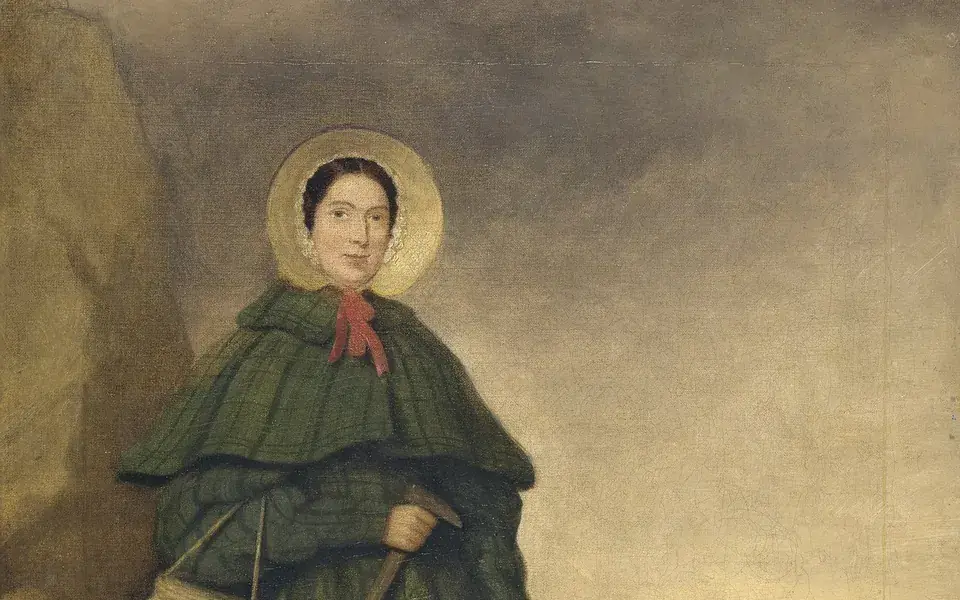
A fossil collector changed what scholars knew about vanished animals
Mary Anning (21 May 1799 – 9 March 1847) was an English fossil collector, dealer, and palaeontologist. She became known internationally for her discoveries in Jurassic marine fossil beds in the cliffs along the English Channel at Lyme Regis in the county of Dorset, South West England.
 Science & Discovery
Safety matches put a key ingredient on the box
Safety matches place some reactive ingredients on a dedicated striking surface. A match head generally must be rubbed on that surface to ignite, reducing the likelihood of accidental fires.
 Science & Discovery
An architect helped decipher a Bronze Age Greek script
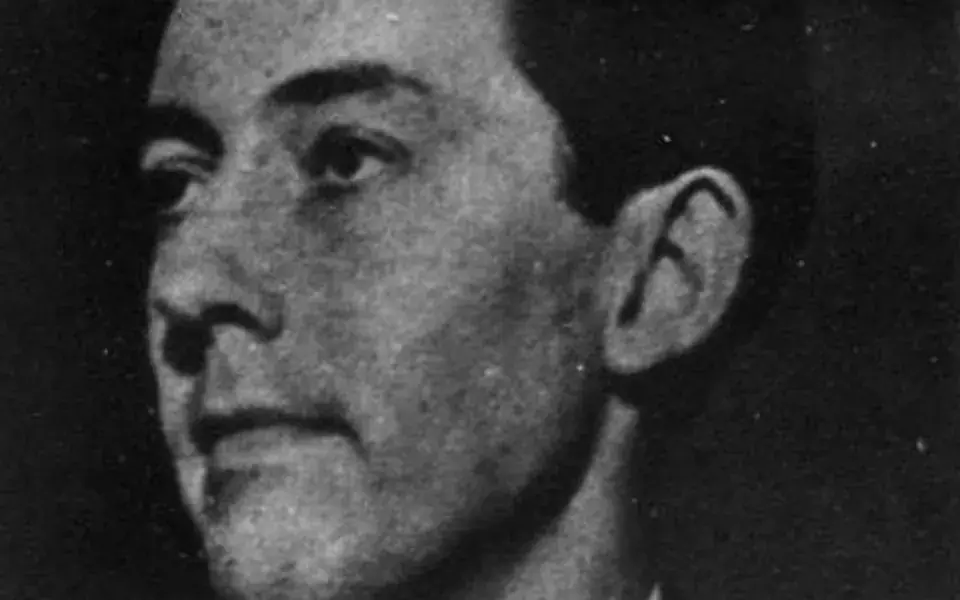
Michael George Francis Ventris (12 July 1922 – 6 September 1956) was an English architect, classicist and philologist who deciphered Linear B, the ancient Mycenaean Greek script. A student of languages, Ventris had pursued decipherment as a personal vocation since his adolescence.