Arts & Culture
74 sourced historical stories, arranged by subject.
 Arts & Culture
Medieval stained glass turned a cathedral into a wall of colored stories
Chartres Cathedral preserves an exceptional collection of medieval stained glass in a building largely reconstructed after a fire in 1194. Biblical scenes, saints, patrons, and trades appear in its windows. The surviving glass helps show how color, craft, religious narrative, and community contributions shaped a Gothic cathedral.
 Arts & Culture
Cave lions and rhinos appeared on walls painted tens of millennia ago
The Chauvet-Pont-d'Arc Cave (Grotte Chauvet-Pont d'Arc) in the Ardèche department of southeastern France is a cave that contains some of the best-preserved figurative cave paintings in the world, as well as other evidence of Upper Paleolithic life.
 Arts & Culture
Fragrant plants and imagined journeys became a poetic language
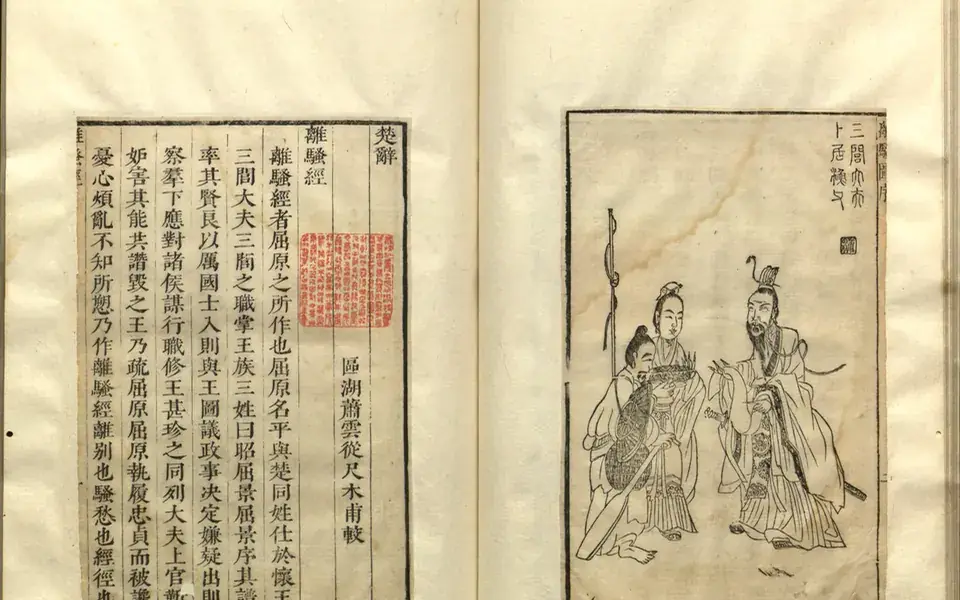
The Songs of Chu preserves poetry associated with the culture of Chu. Fragrant plants, beautiful figures, deities, and distant journeys frequently serve as images for emotion. Qu Yuan is an important author within the collection, whose formation also involved later compilers. The poems combine historical settings with rich literary symbolism.
 Arts & Culture
A mountain fortress guarded Haiti's hard-won independence
Henri Christophe commissioned the Citadelle Laferrière to defend Haiti after independence from France. Built high above the northern coast, the fortress combined formidable walls, extensive cannon stocks, and supplies for a prolonged defense. Its construction also reflected the ambitions and harsh demands of Christophe's rule.
 Arts & Culture
Ancient geographical imagination included myths and resources
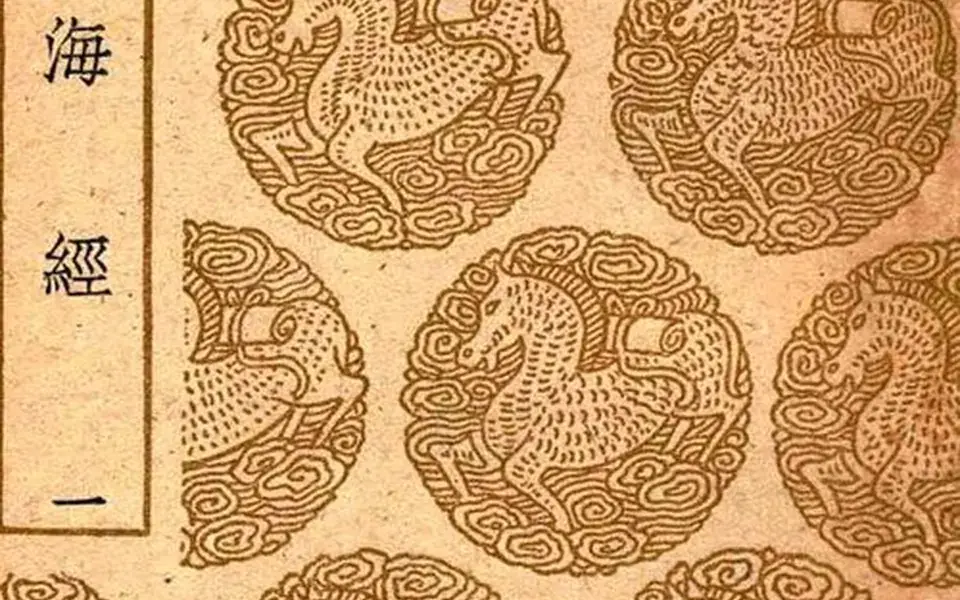
The Classic of Mountains and Seas records mountains, rivers, resources, peoples, and supernatural stories together. Its places are difficult to match individually to a modern map. The book developed and was transmitted over a long period. It is evidence for ancient knowledge and mythology, but not every description should be treated as measured geography.
 Arts & Culture
The Book of Songs preserved poetry from different sources
The Book of Songs includes Airs, Court Hymns, and Eulogies. Its poems address work, ritual, emotion, and social life, preserving voices from different settings. It later became a classic with several traditions of interpretation. Literary images need to be read with historical context and commentary, rather than always translated directly into modern experience.
 Arts & Culture
Fine metal wires outlined colorful enamel designs
Jingtai blue commonly refers to copper-bodied cloisonne enamel. Craftspeople shape metal wires into design boundaries, fill the compartments with enamel, and fire and finish the piece. The name is traditionally associated with the Ming Jingtai reign, but the craft's history and later development span several periods. Its colors are not confined to blue.
 Arts & Culture
A monastery became the center of a network reaching across Europe
Cluny Abbey ( Abbaye de Cluny, formerly also Cluni or Clugny; Abbatia Cluniacensis) is a former Benedictine monastery in Cluny, Saône-et-Loire, France. It was dedicated to Saints Peter and Paul. The abbey was the originating point of Cluniac Reforms and controlled a large network of monasteries throughout the Western Europe, sometimes referred to as the Cluniac Order.
 Arts & Culture
The Library Cave held more than Buddhist scriptures
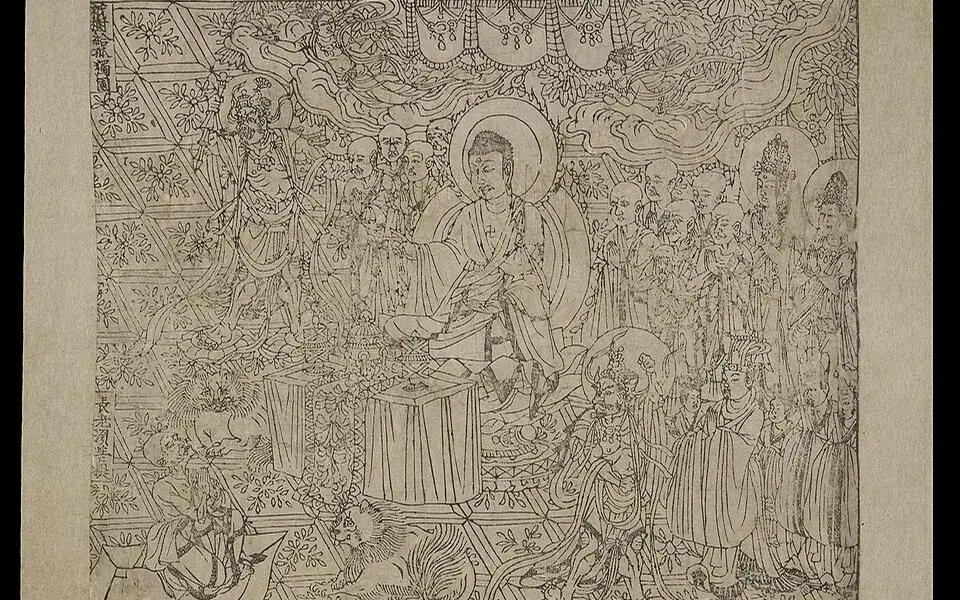
Documents preserved in Dunhuang's Library Cave include religious scriptures as well as contracts, accounts, letters, and literature. They offer views of the specific details of medieval life.
 Arts & Culture
A painter found a distinctive language for the forests of the Pacific coast
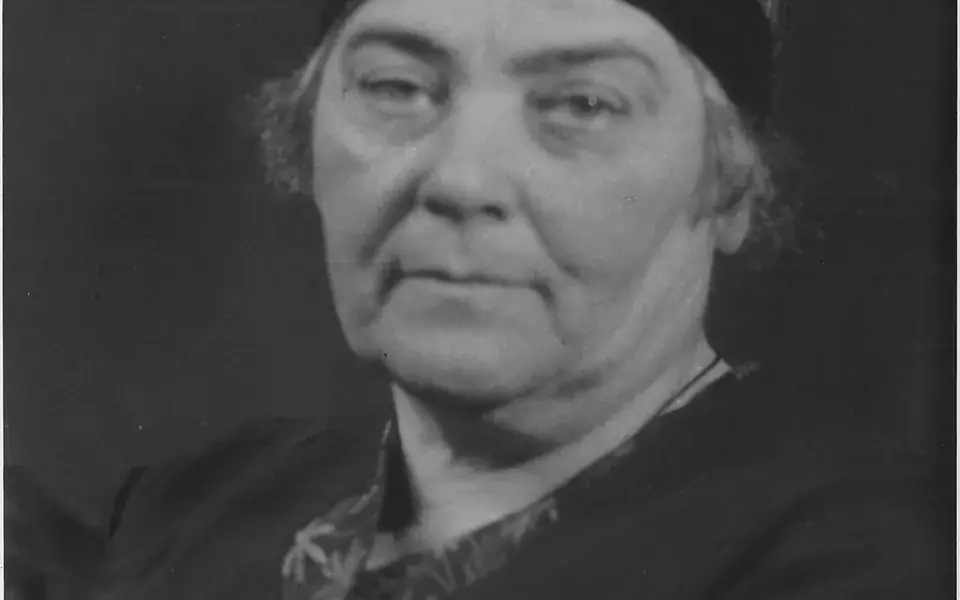
Emily Carr was a Canadian artist who was inspired by the monumental art and villages of the First Nations and the landscapes of British Columbia. She also was a vivid writer and chronicler of life in her surroundings, praised for her "complete candour" and "strong prose".
 Arts & Culture
An ancient epic asked questions about life and death
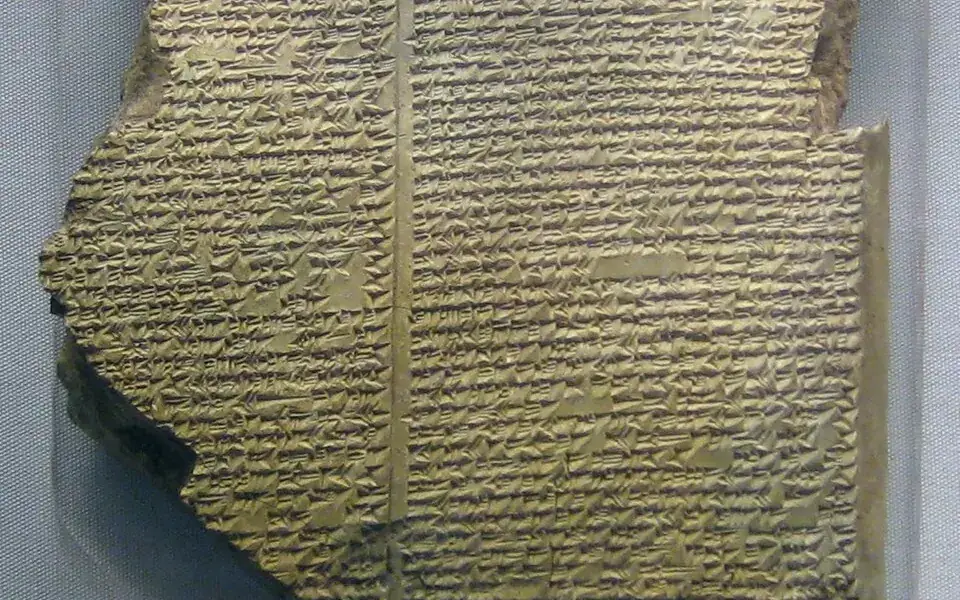
The Epic of Gilgamesh comes from Mesopotamia's literary traditions. It tells of a king and Enkidu while exploring friendship, death, and the search for immortality.
 Arts & Culture
Imperial Easter gifts concealed elaborate miniature surprises
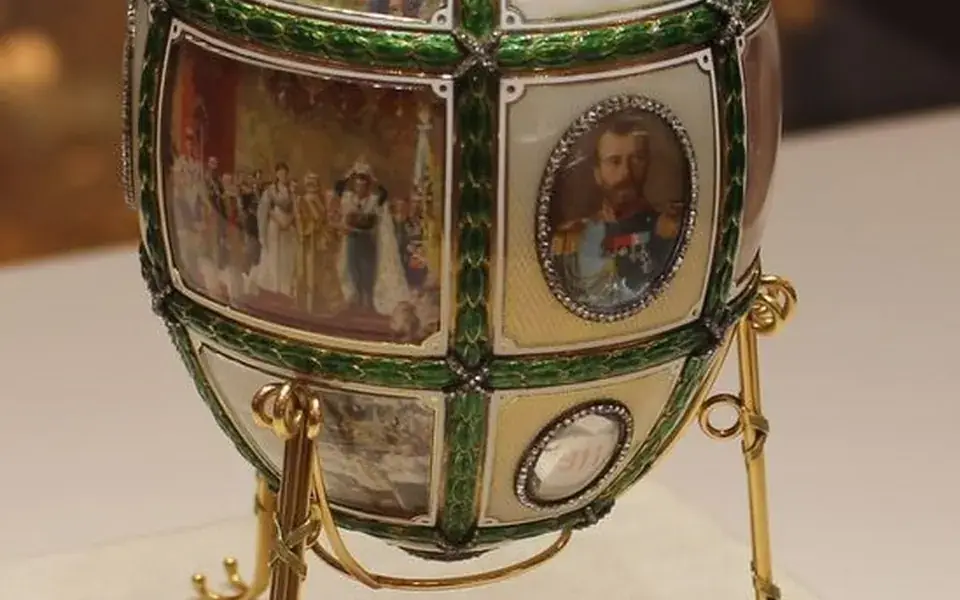
A Fabergé egg is a jewelled egg first created by the jewellery firm House of Fabergé, in Saint Petersburg, Russia. As many as 69 eggs were created during the Tsarist era, of which 61 are known to have survived.