Ancient Civilizations
112 sourced historical stories, arranged by subject.
 Ancient Civilizations
Basalt portraits carried rulers' faces across enormous stones
The Olmec colossal heads are stone representations of heads sculpted from large basalt boulders. They range in height from 1.17 to 3.4 metres. The heads date from at least 900 BCE and are a distinctive feature of the Olmec civilization of ancient Mesoamerica.
 Ancient Civilizations
Early Chinese writing was often connected with divination
Oracle-bone script was carved on turtle shells and animal bones during the Shang and other periods. Much of it concerns divination, with inscriptions often recording questions, outcomes, or related information.
 Ancient Civilizations
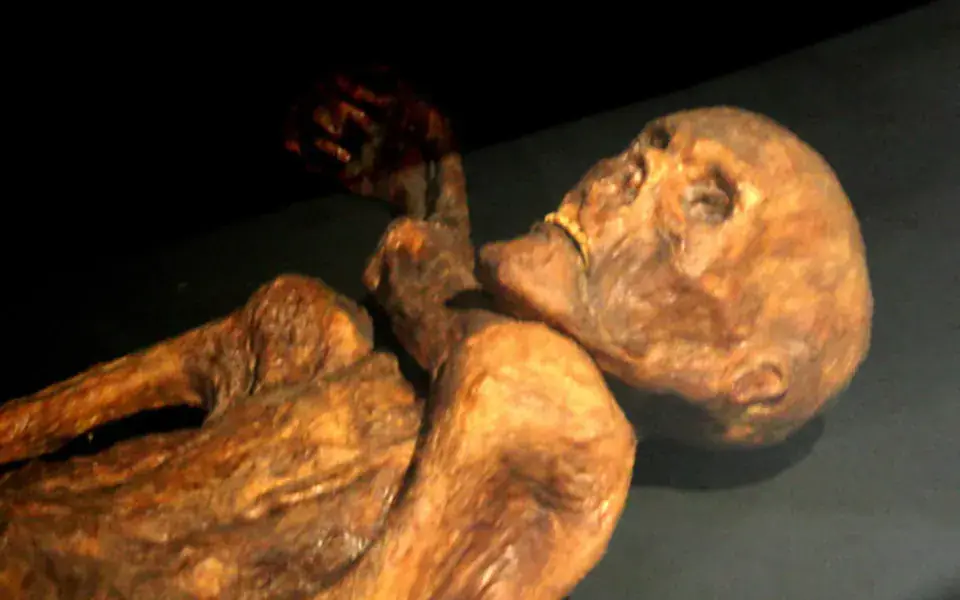
An Alpine glacier preserved a traveler and his Copper Age equipment
Ötzi ( c. 3275 BC – c. 3230 BC), also called The Iceman, Similaun man, or Tyrolean Iceman, is the natural mummy of a man who lived during the 4th millennium BC. Ötzi's remains were discovered on 19 September 1991 in the Ötztal Alps (hence the nickname "Ötzi") at the Austria–Italy border.
 Ancient Civilizations
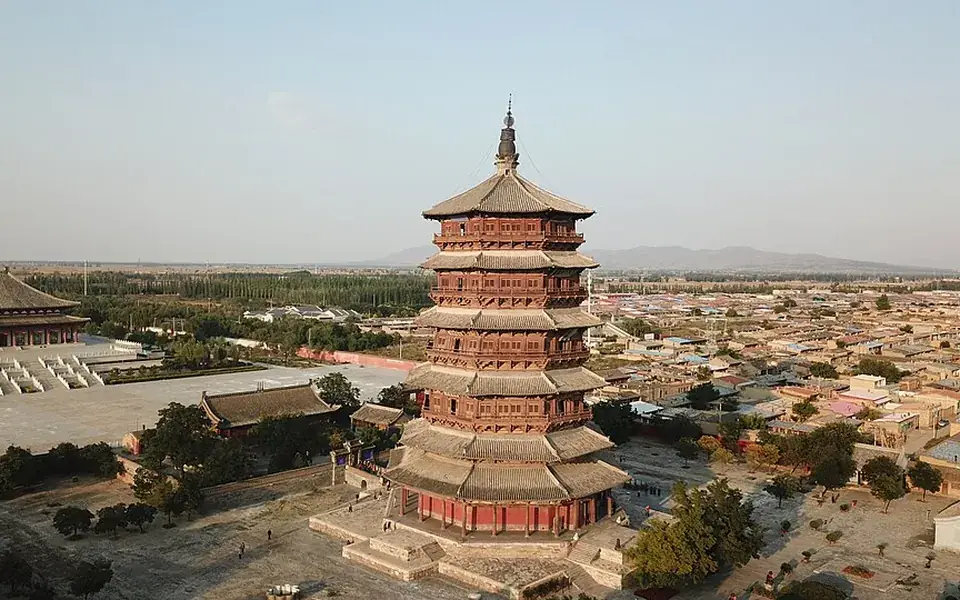
A tall pagoda relies principally on timber construction
The Sakyamuni Pagoda at Fogong Temple in Ying County is a famous wooden pagoda, using complex timber construction and bracket sets. Its visible stories do not exactly match its internal levels. It has undergone repairs and environmental effects over many centuries. Its survival allows study of ancient timber engineering, while conservation faces practical challenges.
 Ancient Civilizations
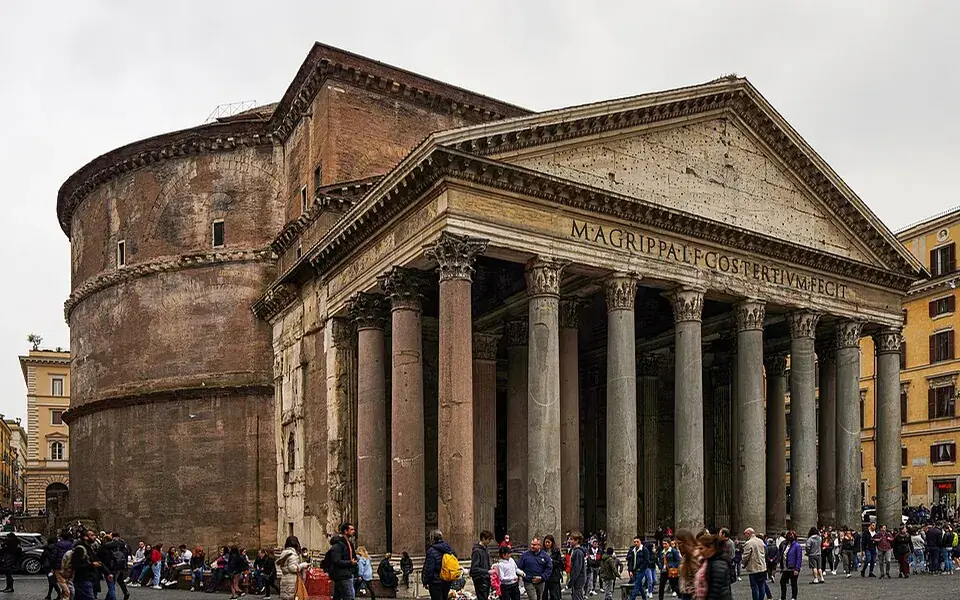
An opening in the dome looks directly at the sky
Rome's Pantheon is famous for its enormous concrete dome. The circular opening at its center admits natural light and also allows rain to fall inside.
 Ancient Civilizations
The Parthenon's columns are not perfectly straight
The Parthenon's design includes subtle curves and inclinations. Its columns and platform are more than a simple combination of straight lines, and these details affect the overall visual impression.
 Ancient Civilizations
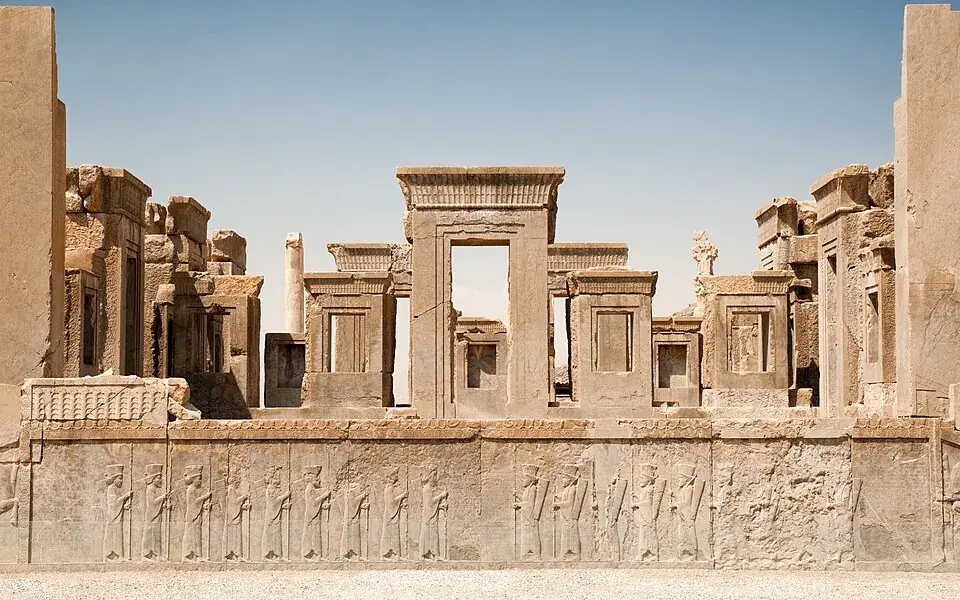
A royal terrace displayed the peoples of a vast empire
Persepolis displayed Achaemenid royal power through terraces, palaces, gateways, and carved imagery. Construction continued under several rulers, and reliefs represented people within the empire. Its destruction and surviving remains connect monumental architecture with the political fortunes of one of antiquity's largest imperial states.
 Ancient Civilizations
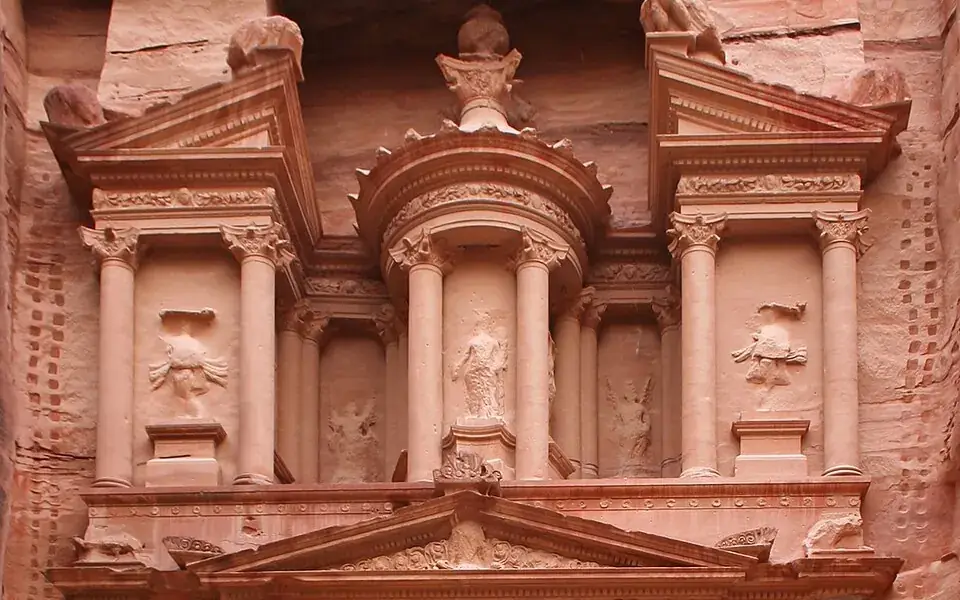
A desert city carved its façades into rock
Petra's famous façades were carved from rock, but the city also had channels, water-storage facilities, and other buildings. It was more than a collection of beautiful entrances.
 Ancient Civilizations
Pingyao's banking houses handled transfers between distant places
Pingyao preserves city walls, streets, and traditional buildings. Commercial activity during the Ming and Qing was closely connected to the development of its remittance houses. These firms used credit and accounting to transfer funds between locations. Merchant networks linked the ancient city's history with much wider regions.
 Ancient Civilizations
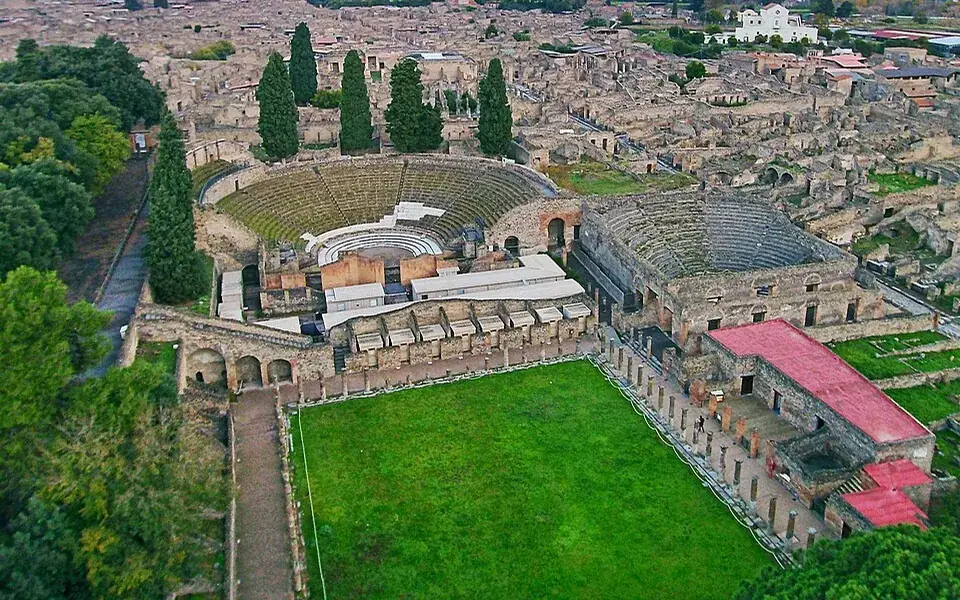
Volcanic ash preserved the traces of Roman city life
The eruption of Mount Vesuvius in 79 CE buried Pompeii, sealing buildings, wall paintings, and everyday objects. Their preservation allows later generations to study daily life in an ancient Roman city.
 Ancient Civilizations
Porcelain's hardness comes from its materials and high-temperature firing
Porcelain is not a name for every ceramic object. It is generally made with particular materials fired at relatively high temperatures, producing a hard, dense body that is often covered with glaze.
 Ancient Civilizations
A porcelain pagoda once marked Nanjing's skyline
Nanjing's Great Bao'en Temple once had a celebrated glazed pagoda whose decoration and structure attracted attention. The original tower was later destroyed. Present-day conservation and newly built features belong to different stages. Descriptions of historic buildings should distinguish original structures, archaeological remains, and modern displays.