Historical Figures
169 sourced historical stories, arranged by subject.
 Historical Figures
The Great Wave belongs to a series about Mount Fuji
Hokusai's The Great Wave off Kanagawa is part of Thirty-six Views of Mount Fuji. The enormous wave, boats, and distant mountain create a dramatic contrast of scale.
 Historical Figures
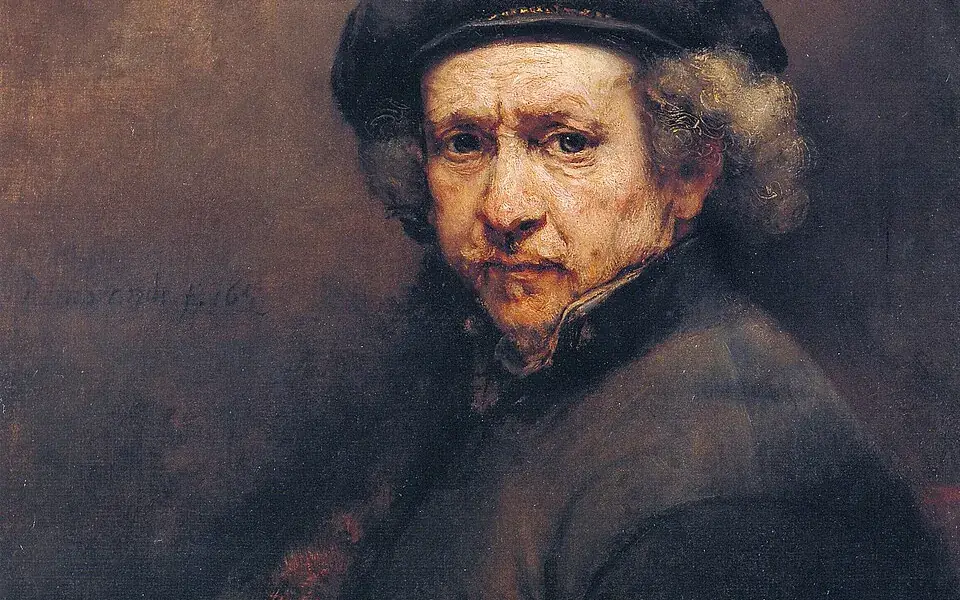
The Night Watch acquired its name from a later impression
Rembrandt's The Night Watch depicts a civic guard company. Its familiar title arose from later interpretations of the painting's dark appearance; the scene was not necessarily set at night.
 Historical Figures
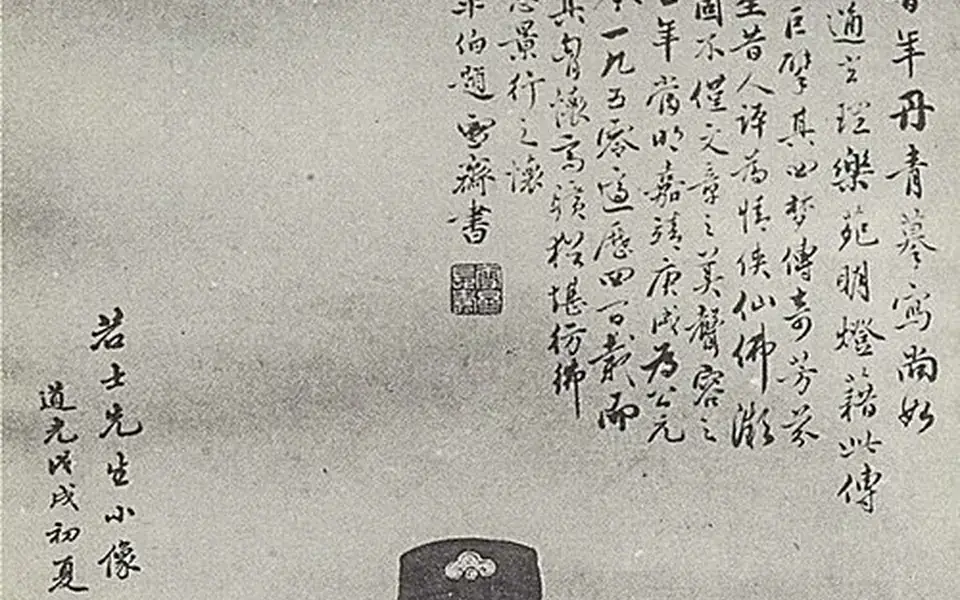
An accidental encounter revealed an imagined ideal society
Tao Yuanming's Peach Blossom Spring describes a fisherman who unexpectedly enters a settlement isolated from the outside world. The narrative presents an imagined life of peace and self-sufficiency.
 Historical Figures
The Peony Pavilion unfolds a love story through dreams
Tang Xianzu's The Peony Pavilion develops its story through dreams, life and death, and emotion, becoming a major work of Chinese dramatic literature. The text later circulated through different theatrical forms and stage versions. Performances cut and adapt material, so a complete script is not identical to a live production.
 Historical Figures
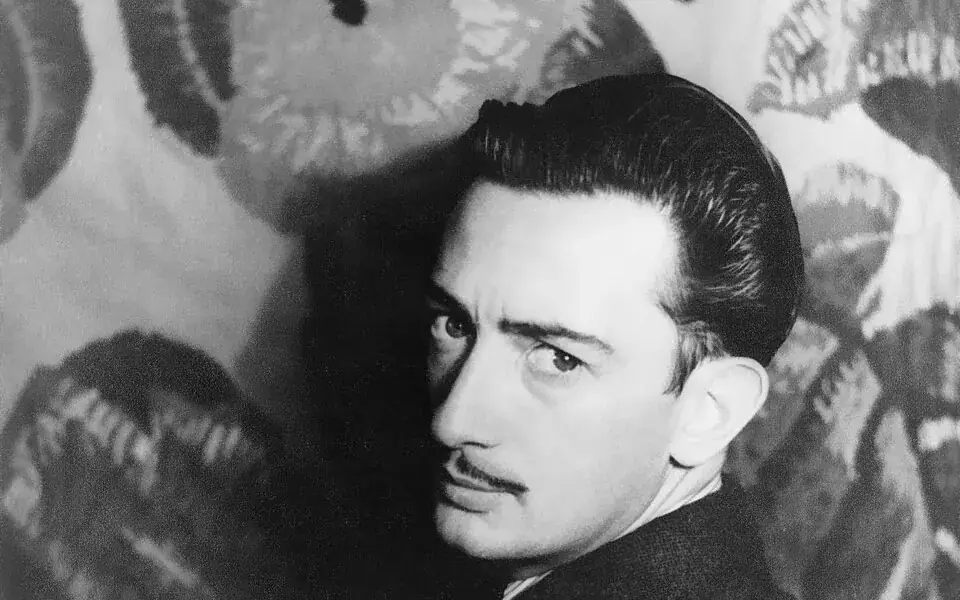
Soft watches made time an uncanny landscape
In The Persistence of Memory, Salvador Dali painted seemingly melting watches in a desolate landscape. Objects that defy everyday logic form a distinctly Surrealist scene.
 Historical Figures
The School of Athens gathers ancient thinkers in one space
Raphael's The School of Athens brings ancient thinkers together within an idealized architectural setting. Plato and Aristotle at the center provide its principal visual focus.
 Historical Figures
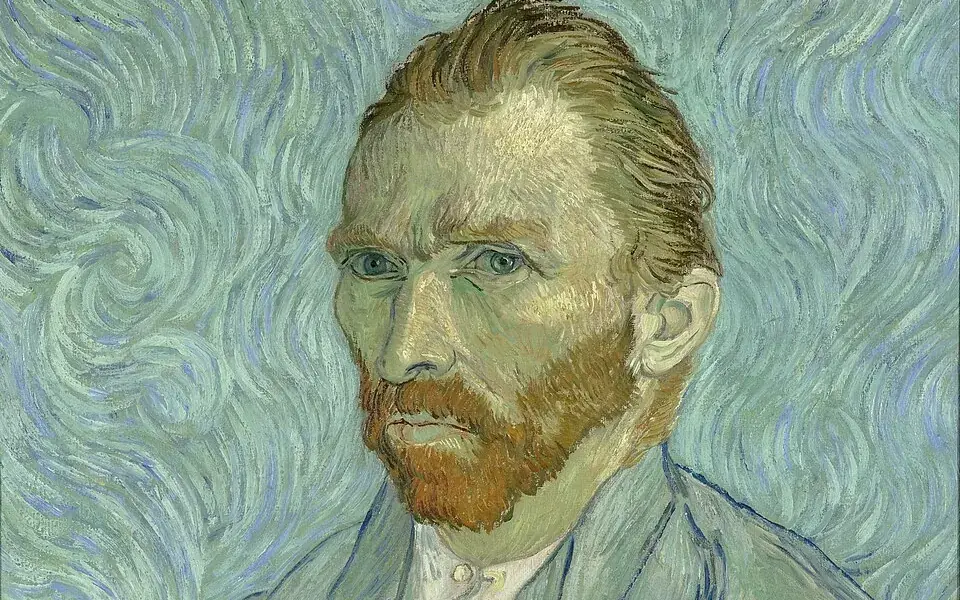
The Starry Night was painted during Van Gogh's stay in care
Vincent van Gogh painted The Starry Night while staying at Saint-Remy for treatment. He combined the view outside his window with memory and imagination, shaping the night sky with swirling lines and vivid colors.
 Historical Figures
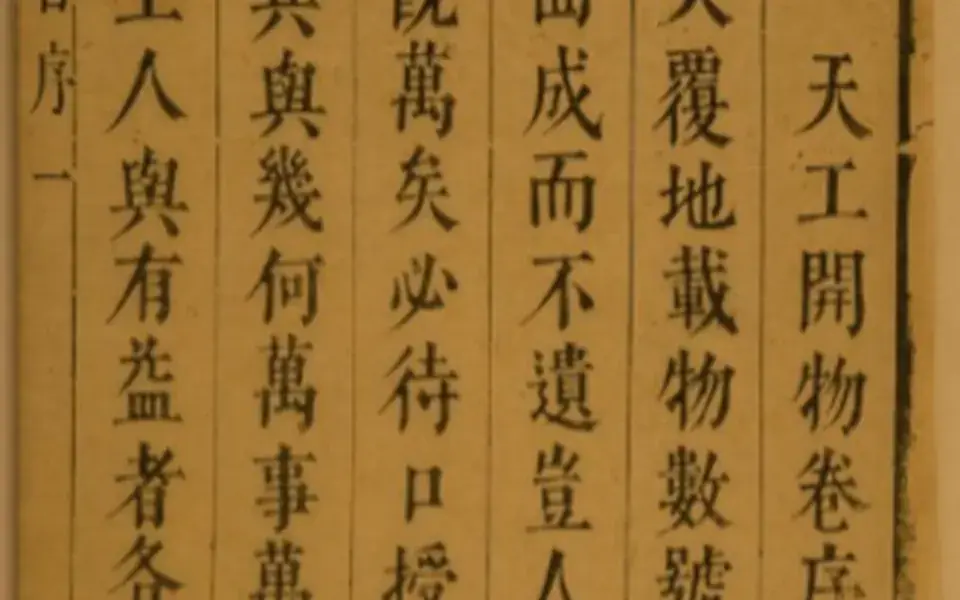
An illustrated book explained productive crafts
Song Yingxing's Exploitation of the Works of Nature records farming, textiles, metallurgy, salt making, and other productive activities. Its text and illustrations explain materials and processes.
 Historical Figures
An Andean rebellion challenged colonial taxes and forced labor
Túpac Amaru II was an Indigenous cacique who led a large Andean rebellion against the Spanish in Peru as self-proclaimed Sapa Inca of the new Inca Empire. He was later elevated to a mythical status in the Peruvian struggle for independence and indigenous rights movement, as well as an inspiration to myriad causes in Spanish America and beyond.
 Historical Figures
A Turing machine is a mathematical model
Alan Turing proposed an abstract model of computation in which rules and the reading and writing of symbols describe an algorithm's execution. It addressed which problems could be calculated through mechanical steps.
 Historical Figures
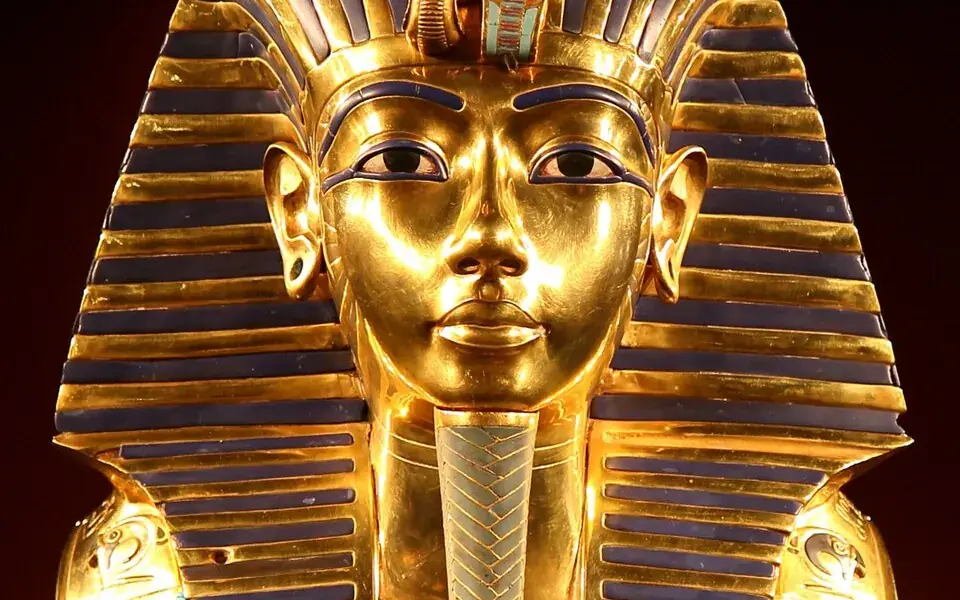
A young pharaoh became famous because his tomb survived
Tutankhamun's reign was brief, but his tomb, discovered in 1922, retained a wealth of funerary objects. Its preservation made his name an emblem of ancient Egyptian archaeology.
 Historical Figures
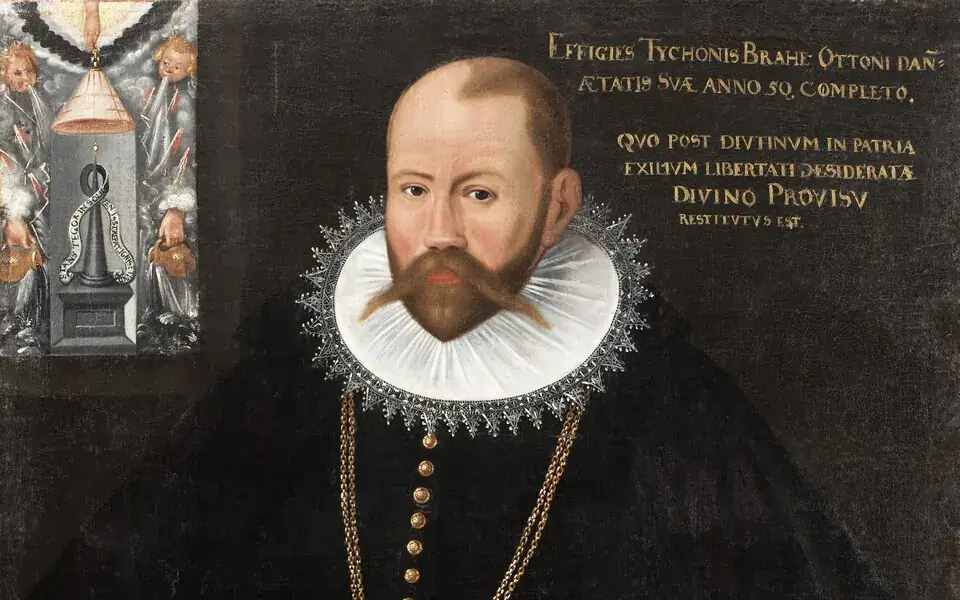
Precise astronomy existed before the telescope
Tycho Brahe used large instruments to measure celestial positions, mostly before telescopes became widely used in astronomy. His observations later helped Kepler study planetary orbits.