Historical Figures
169 sourced historical stories, arranged by subject.
 Historical Figures
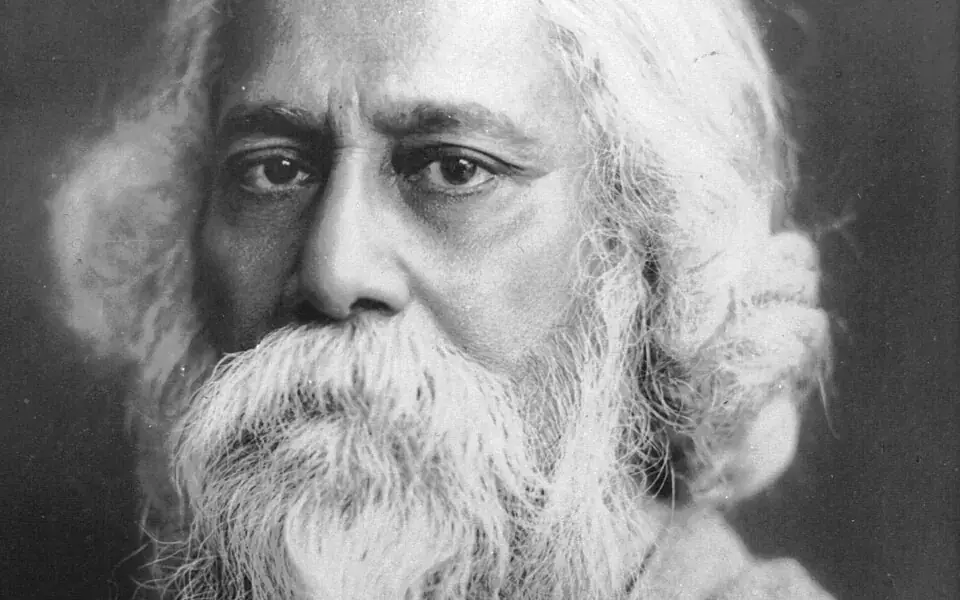
Tagore became the first Asian Nobel laureate in literature
Rabindranath Tagore received the Nobel Prize in Literature in 1913, becoming the first Asian writer to win it. Poetry and translation brought his work to wider audiences.
 Historical Figures
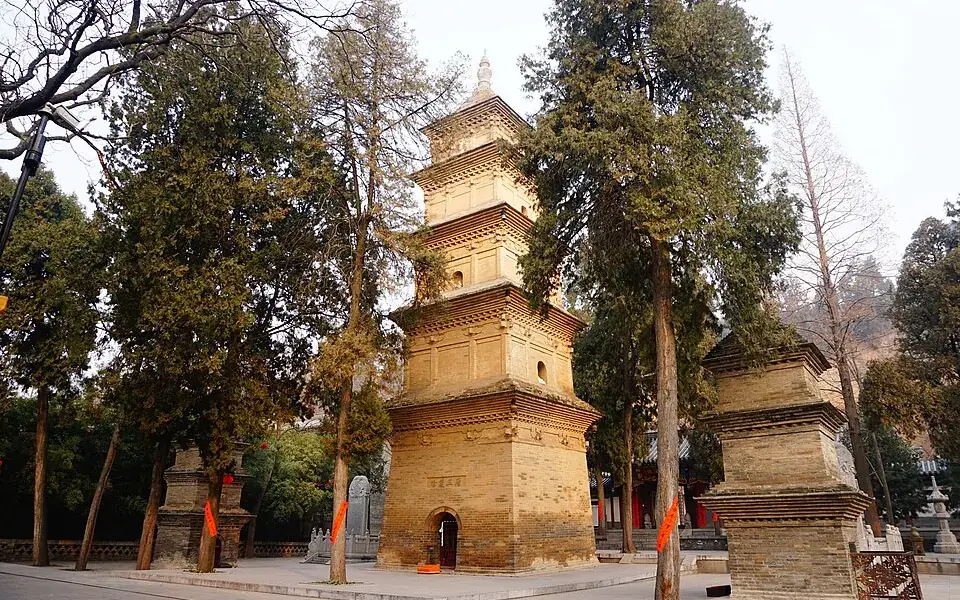
Xuanzang's travel record was more than a pilgrimage story
Documents such as the Great Tang Records on the Western Regions preserve Xuanzang's travel observations. Their accounts of roads, states, customs, and religions are important sources for ancient Central and South Asia.
 Historical Figures
Rickshaw Boy links a driver's fate to the city
Lao She's Rickshaw Boy depicts society in Beiping through a rickshaw driver's experiences. The protagonist's hopes for an independent life are repeatedly battered by his surroundings and events.
 Historical Figures
The word cell came from little chambers in cork
In Micrographia, Robert Hooke described the structure of cork as seen through a microscope. He called its rows of small compartments cells, helping the term spread.
 Historical Figures
X-ray diffraction provided clues to DNA's structure
Rosalind Franklin studied X-ray diffraction images of DNA. The famous Photo 51 and related analysis provided important evidence for understanding the molecule's structure.
 Historical Figures
A poet turned spiritual teaching into stories and verse
Rumi's poetry developed within a life of migration, teaching, and spiritual companionship. His encounter with Shams of Tabriz became central to later accounts of his transformation. Stories and verse carried his religious ideas, while biographies and devotional traditions shaped the memory of his life.
 Historical Figures
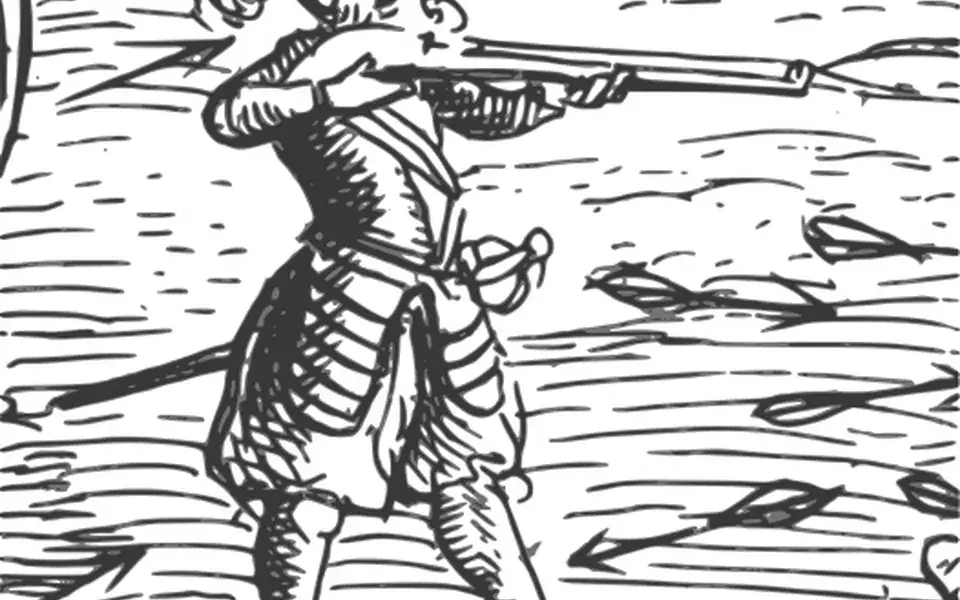
A mapmaker helped establish a city on the Saint Lawrence
Samuel de Champlain was a French explorer, navigator, cartographer, soldier, geographer, diplomat, and chronicler who founded Quebec City and established New France as a permanent French colony in North America. Champlain made between 21 and 29 voyages across the Atlantic Ocean during his career, founding Quebec on 3 July 1608.
 Historical Figures
Fragments kept an ancient Greek poet's voice alive
Sappho was an ancient Greek poet from Eresos or Mytilene on the island of Lesbos. She is known for her lyric poetry, written to be sung while accompanied by music. In ancient times, she was widely regarded as one of the greatest lyric poets and was given names such as the "Tenth Muse" and "The Poetess".
 Historical Figures
A Northern Paiute writer carried her people's case to Washington
Sarah Winnemucca used interpreting, public lectures, and autobiography to explain Northern Paiute experiences to American audiences. Her work documented abuses and broken promises, while her school in Nevada sought to combine education with respect for Paiute language and culture during a period of dispossession.
 Historical Figures
An ancient king became the model for later empire builders
Sargon of Akkad became an enduring model of kingship after conquering Sumerian city-states. Sparse early evidence and much later legends must be read separately when reconstructing his reign. His remembered victories and humble-origin stories show how historical rulers could become examples for future empire builders.
 Historical Figures
One man created a writing system for the Cherokee language
Sequoyah, also known as George Gist or George Guess, was a Native American polymath and neographer of the Cherokee Nation. In 1821, Sequoyah completed his Cherokee syllabary, enabling reading and writing in the Cherokee language.
 Historical Figures
A Zulu ruler reorganized his army around close combat
Shaka expanded Zulu power through military and political organization in the early nineteenth century. Accounts associate him with changes in weapons, mobility, and regimental discipline, although historians debate parts of this image. Evaluating his legacy requires attention to both regional history and the sources themselves.