Historical Figures
169 sourced historical stories, arranged by subject.
 Historical Figures
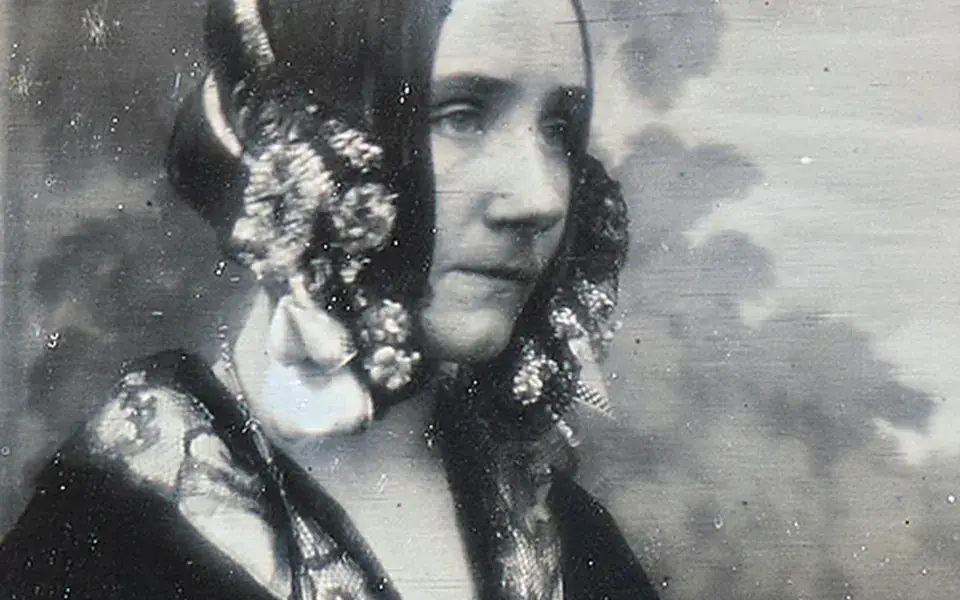
She saw that a computing machine could do more than arithmetic
In her notes accompanying a translation about the Analytical Engine, Ada Lovelace discussed computational procedures. She also proposed that a machine able to handle symbolic relationships might work with things beyond numbers.
 Historical Figures
Ribosome research revealed the cell's protein factory
Ada Yonath helped determine the structure of ribosomes, using crystallization and X-ray methods to study how cells make proteins. She received the 2009 Nobel Prize in Chemistry.
 Historical Figures
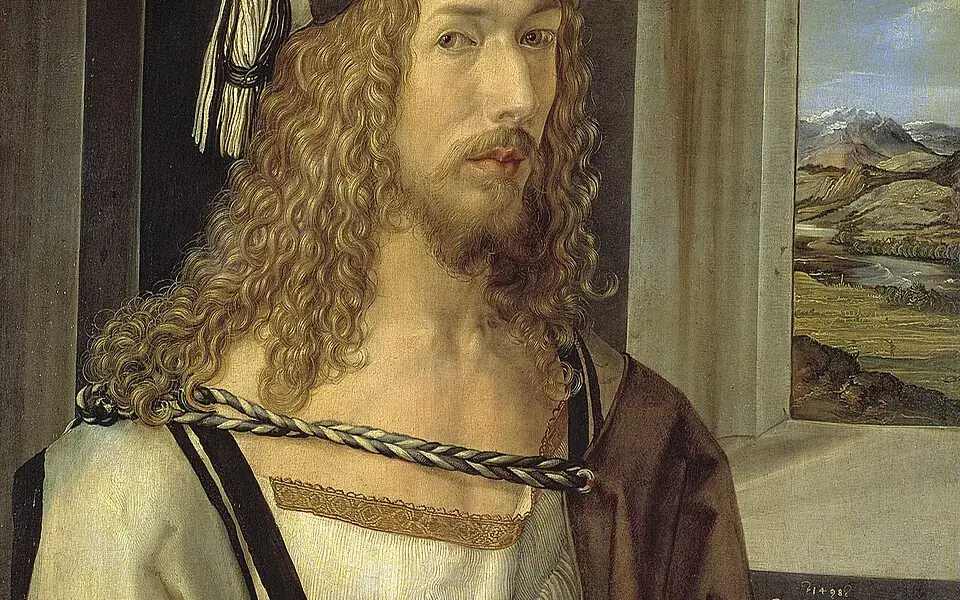
Printmaking carried Durer's art to a wider audience
Albrecht Durer used woodcuts and engravings to create reproducible images that could be transported, collected, and viewed far from their place of production, unlike a unique oil painting.
 Historical Figures
Two researchers independently proposed natural selection
While studying the distribution and changes of living organisms, Alfred Russel Wallace developed an explanation involving natural selection. His paper led to a joint presentation with Darwin's material in 1858.
 Historical Figures
A scroll unfolded the life of a city
Zhang Zeduan's Along the River During the Qingming Festival depicts markets, bridges, boats, and crowds in a long handscroll. Its details help later observers examine urban activity in the Song dynasty.
 Historical Figures
A warrior queen became a lasting symbol of Hausa history
Amina remains a powerful figure in Hausa historical memory, associated with Zazzau and military expansion. Traditions disagree about her title, dates, and some details of her life. Those differences make her story an opportunity to distinguish oral remembrance, later accounts, and firmer historical evidence.
 Historical Figures
The Analects was not Confucius's own autobiography
The Analects mainly records the words and actions of Confucius and his disciples. It was compiled by later transmitters, presenting sayings formed through a long process of collection and editing.
 Historical Figures
Carefully ground lenses helped him observe tiny life forms
Antonie van Leeuwenhoek made high-quality small lenses and used simple microscopes to examine water droplets, dental plaque, and other samples. He reported the microorganisms he observed to the scholarly community.
 Historical Figures
A difference in dates helps resolve Around the World in Eighty Days
Jules Verne's Around the World in Eighty Days revolves around a wager on travel. Earth's rotation, direction of travel, and the calculation of dates become crucial to its ending.
 Historical Figures
A ruler carved his moral instructions onto stone
Ashoka's inscriptions made royal policies visible on rocks and pillars across his empire. They discuss moral conduct, religious relations, and concern for living beings, alongside memories of warfare. Comparing inscriptions with later Buddhist narratives helps separate the ruler's recorded statements from the legends surrounding him.
 Historical Figures
Bada Shanren used distinctive forms and empty space
Zhu Da, known as Bada Shanren, often used economical brushwork, large empty areas, and striking forms in his flower-and-bird paintings and landscapes. He lived through the Ming-Qing transition, and later interpretations often connect his art with his life. Particular images still require careful reading; not every brushstroke should be taken as a political code.
 Historical Figures
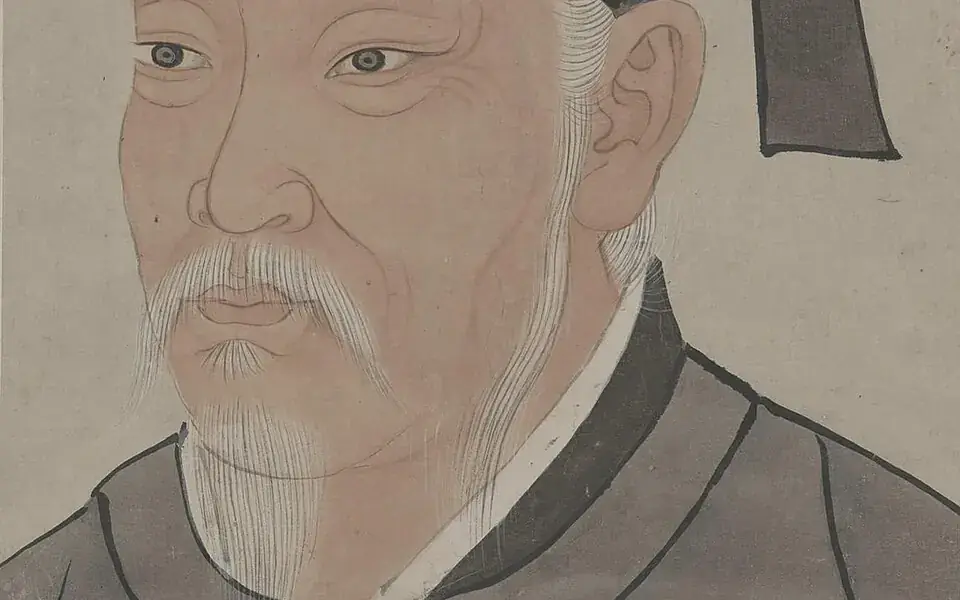
New yuefu poetry turned social problems into poetic subjects
The new yuefu works of Bai Juyi and others used particular characters and situations to discuss social affairs. Taxes, labor, and people's livelihoods became subjects for poetry.