Historical Figures
169 sourced historical stories, arranged by subject.
 Historical Figures
Travel diaries carefully described landscapes and waterways
Xu Xiake traveled extensively, recording routes, terrain, waterways, and karst features. The Travels of Xu Xiake, compiled by later editors, preserves many firsthand observations.
 Historical Figures
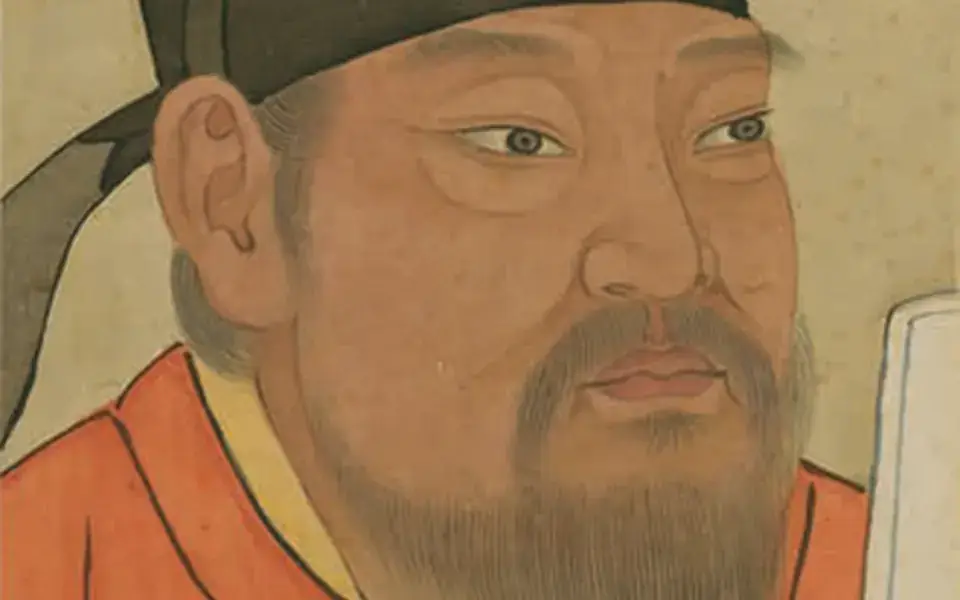
A mourning draft preserved corrections made during writing
Yan Zhenqing wrote Draft of a Requiem to My Nephew to mourn a relative. Its corrections and brushwork preserve the process of writing, with a vivid emotional and historical background.
 Historical Figures
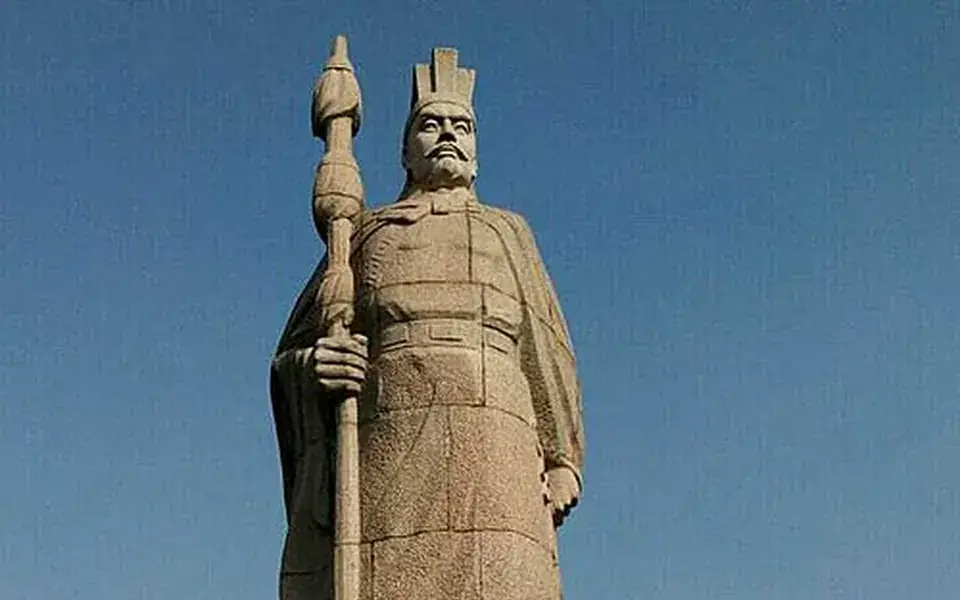
Missions to the Western Regions were long and difficult
Zhang Qian traveled to the Western Regions on the orders of Emperor Wu of Han. Detained by the Xiongnu on the way, he returned only after many years, bringing important observations about Central Asia.
 Historical Figures
Medical classics passed through later editing
Zhang Zhongjing is associated with the tradition of the Treatise on Cold Damage and Miscellaneous Diseases. Later transmission and editing produced important classics including the Treatise on Cold Damage and Essential Prescriptions of the Golden Cabinet. The versions read today passed through centuries of copying and editing; they are not direct preservation of the author's manuscript. This is itself a subject for the history of medical texts.
 Historical Figures
Looking to antiquity could inspire artistic innovation
Zhao Mengfu emphasized learning from ancient traditions in his painting and calligraphy. His work was closely connected with the development of literati art during the Yuan dynasty. Returning to old styles was more than copying earlier works. Artists selected and recombined styles from different periods to express their own aesthetic judgments.
 Historical Figures
Zheng He's voyages connected ports around the Indian Ocean
The Ming fleets led by Zheng He made repeated voyages to Southeast Asia, South Asia, and the coasts of the Indian Ocean. Their activities included diplomacy, trade, and maritime exchange.
 Historical Figures
Painted bamboo united poetry, calligraphy, and painting
Zheng Banqiao was known for bamboo painting, calligraphy, and poetry. His works often combine images, inscribed poems, and brush writing, letting bamboo express personal experiences and ideas.
 Historical Figures
Commentaries on the classics shaped later paths of study
Zhu Xi's commentaries brought the Great Learning, Doctrine of the Mean, Analects, and Mencius together as an important system of learning, influencing later education.
 Historical Figures
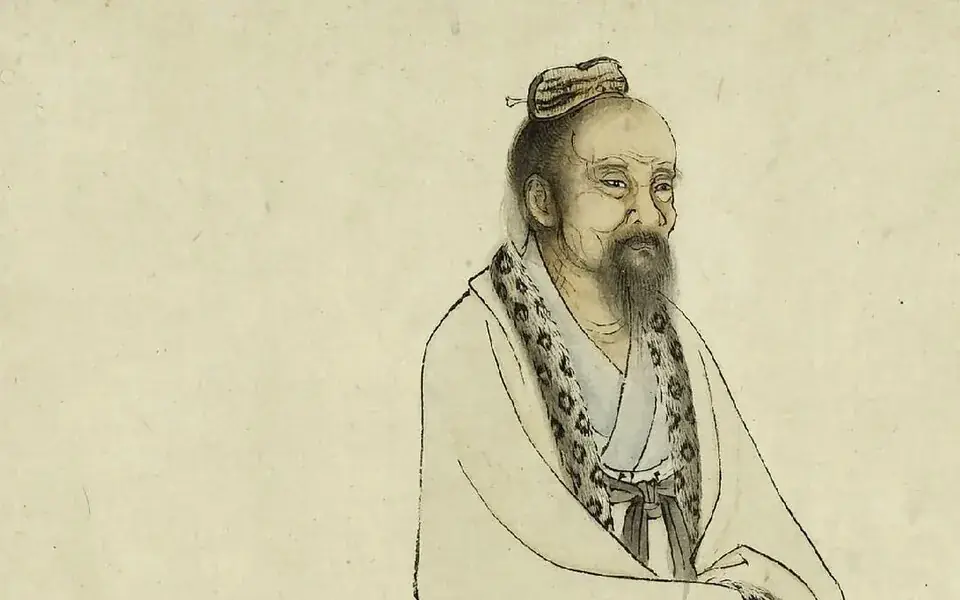
Zhuangzi used parables to explore the limits of knowledge
The Zhuangzi uses parables and dialogue to examine life, freedom, and understanding. Stories such as the butterfly dream invite readers to consider the relationship between experience and identity.
 Historical Figures
History and fiction both shaped Zhuge Liang's image
As an important political figure in Shu Han, Zhuge Liang handled administration and military affairs in historical accounts. Fiction later added many dramatic stratagems and features to his image.
 Historical Figures
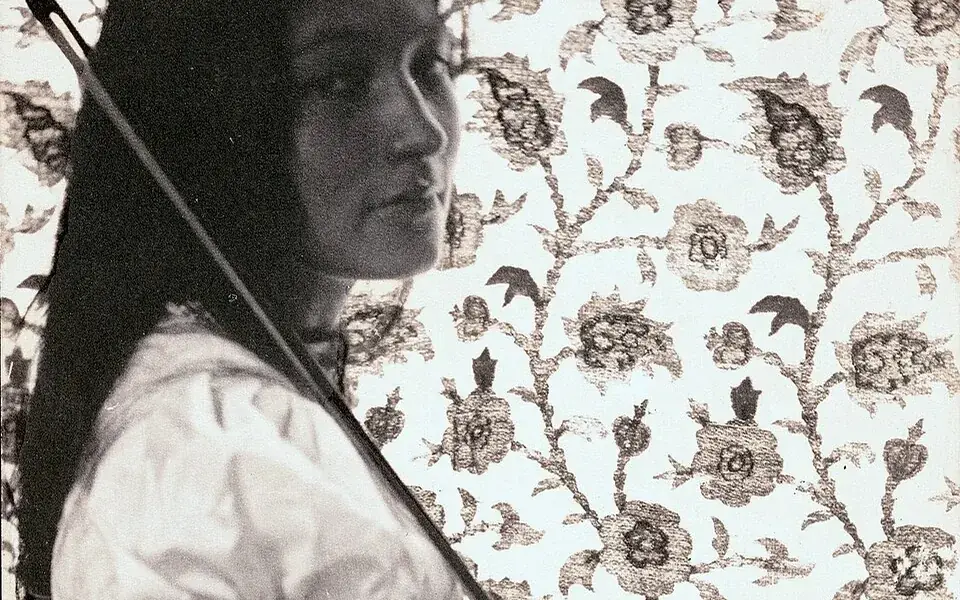
A violinist and writer challenged the schools that silenced her language
Zitkala-Ša, also Zitkála-Šá, was a Yankton Dakota writer, editor, translator, musician, educator, and political activist. She was also known by her anglicized and married name, Gertrude Simmons Bonnin. Her later books were among the first works to bring traditional Native American stories to a widespread white English-speaking readership.
 Historical Figures
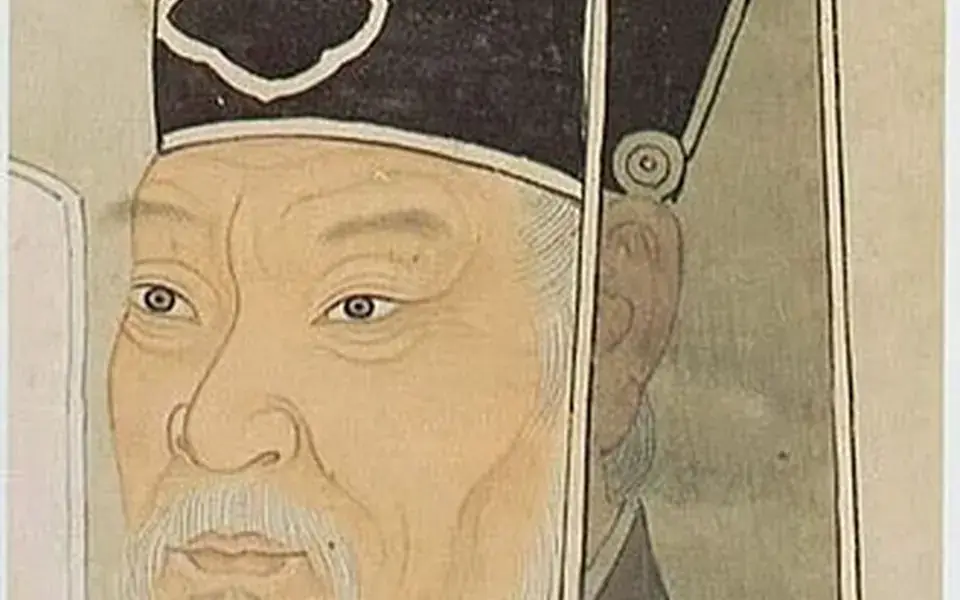
A chronicle arranged more than a thousand years by year
Sima Guang directed the compilation of the Comprehensive Mirror for Aid in Government, arranging people and events from different regions into a year-by-year history. Compilers had to compare dates and accounts in different sources. Its examination of conflicting records shows the importance historians placed on contradictions in evidence.